Archive

August 2025

Browsing

When a school or a retail site asks for a new fence, the brief is simple on paper and complex in practice. You want a secure perimeter, safe access for people, and a build that stands up to constant use. You also want it installed with minimal disruption. If you are looking for fencing near me, start by checking local knowledge, proven installs, and clear method statements. A good place to begin is the guide on fencing near me.

Why schools and retail sites have different risks

Schools need safeguarding first. Children use the space. The fence must prevent climbing, reduce entrapment risk, and control visitor access. It must be tough but not hostile. It should look welcoming to pupils and parents. It must work with gates that staff can operate fast in a fire drill.

Retail sites face theft risk, vehicle movement, and long trading hours. Stockyards need strong, tamper resistant fencing. Service yards have large vehicles and tight turns. Frontages must look neat, match brand colours, and keep sight lines. The right design for each site reduces incidents and reduces call outs.

The design baseline that works

I start every project with a simple design baseline. Define the zone, define the function, and then pick the line, height, and gates. Map how staff, pupils, customers, and deliveries move. Remove blind spots. Avoid pinch points. Keep lighting clear of posts. Keep CCTV views open. Build the fence into how the site works, not as an afterthought.

Height, line, and visibility

For a primary school, a 1.8 m to 2.4 m line in welded mesh or vertical bar often suits. For a retail yard, 2.4 m and above is common to reduce climb risk. Mesh gives good visibility for supervision and CCTV. Solid screens work when you need privacy or acoustic control but can create wind load and hide risk. Use solid panels only where you need them.

Keep the fence line simple. Avoid steps and stops where intruders can hide. In schools, avoid tight corners near play areas. In retail, keep clear space near the fence so staff can patrol and clean.

Materials that match the task

Different sites call for different systems. Each has a role.

  • Welded mesh panel systems: A strong default for schools and stores. They are hard to cut, look tidy, and work with CCTV.
  • Vertical bar railings: Good around school frontages and retail entrances. They are smart and hard wearing.
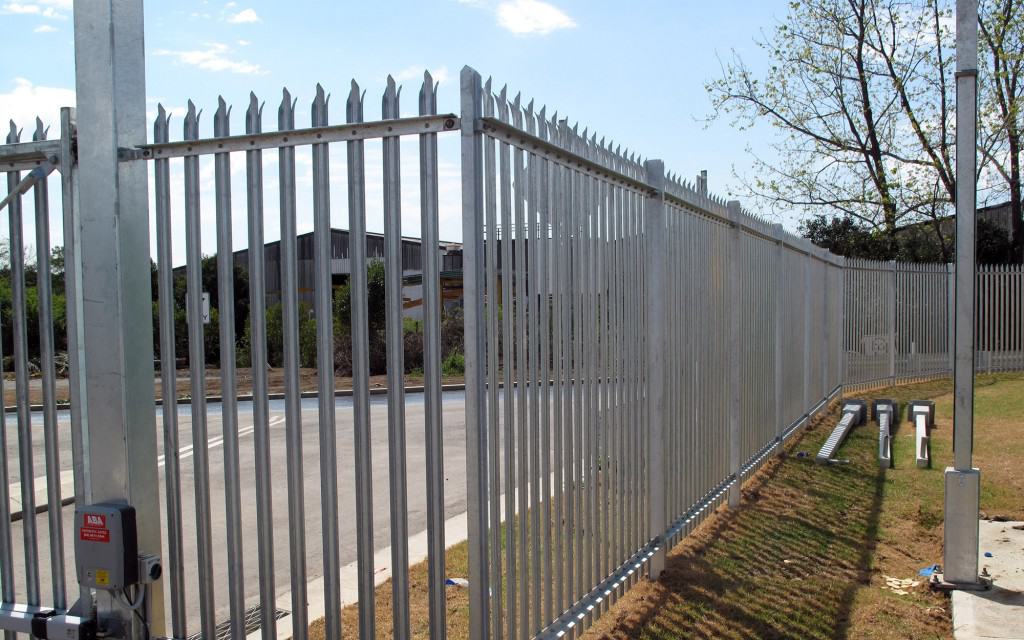
  • Steel palisade: A robust choice for back of house and utilities. It deters climbing and lasts.
  • Chain link: A budget option for large perimeters if you add top wires and good posts.
  • Timber closeboard: Useful for screening and boundary lines in quieter areas. Needs more upkeep.
  • Composite boards: Low maintenance, neat look, useful for screening and service zones. If you are reviewing composite fencing cost, consider the higher upfront price against the low maintenance and clean finish over time.

Match steelwork with galvanised and powder coated finishes. In busy public spaces, coatings take scuffs. Choose a finish you can touch up. In coastal or industrial zones, step up the coating spec for corrosion control.

Posts and foundations that stay put

Fences fail at the posts. Depth, concrete quality, and ground conditions decide the life of the fence. Use the post size the system maker recommends. Set posts plumb, at the right centres, with full concrete surround. In poor ground, extend the depth or add larger footings. In paved service yards, use core drilling and reinstate well so you avoid rocking posts. Where vehicles operate near the fence, consider wheel stops or bollards to protect the line.

Gates drive the whole system

A fence is only as good as its gates. In schools, use self closing pedestrian gates with anti slam latches. Protect small fingers with hinge guards. Set clear openings for wheelchair access. Avoid large gaps under leaves. In retail, specify wide, durable vehicle gates for artics and box vans. Add drop bolts that staff can use without strain. For automation, use rated motors, safety edges, and photo beams. Keep manual release simple so staff can open the gate in a power cut.

Integrate gates with the school timetable or store operations. Time visitor entry. Keep delivery routes clear of pupils or customers. Link gates with simple, robust access control. A keypad or fob reader in a steel housing often beats complex systems that staff forget to use.

Choosing the right security level

Do not over spec. Do not under spec. In schools, avoid hostile spikes. Choose anti climb mesh with small apertures near vulnerable areas like MUGAs and equipment stores. In retail, increase strength on rear service yards and loading bays. Add anti lift fixings and tamper proof bolts. Consider topping only where strict risk justifies it and where it will not breach planning or safety policy.

Aesthetic and community fit

Security should not look like a prison. On school entrances, use railings that match the period of the buildings or a clean mesh in a muted colour. In retail, match brand colours on the public face and keep yard fencing in a darker tone to reduce visual impact. Planting can soften lines and protect panels from casual knocks. Leave enough space so plants do not trap moisture against steelwork.

Planning, boundaries, and neighbours

Boundaries can be complex in built up areas. Confirm the legal line and who owns which side. Check for services before you dig. Retail parks often have ducts near entrances. Schools can have old walls, drains, and tree roots near play areas. Where a boundary sits next to housing, consider acoustic fencing to cut noise from playgrounds or deliveries. Keep heights within local rules unless you have consent.

Safety for pupils and the public

In schools, remove toe holds and reduce gaps that can trap a head or a limb. Set pedestrian gates away from vehicle routes. Fit clear signage that staff and visitors will notice. Keep the fence away from play equipment so a fall does not land on a rigid panel. In retail, use bright markings at gate thresholds. Provide safe waiting space for pedestrians outside the swing path of gates. Keep the line clear of sharp fixings and burrs.

Durability and life cycle costs

Good fences last when you buy well and maintain them. Galvanised and powder coated steel gives a long life with low upkeep. Rails and mesh panels resist impact better than thin timber. If you prefer timber for screening, choose pressure treated boards and plan for repainting. Composite boards resist rot and fading and can be a cost effective screen when you factor in time saved on maintenance. When weighing composite fencing cost, compare a 10 year span of cleaning and painting for timber with a simple wash routine for composite.

Installation that respects the timetable

Schools run on fixed schedules. Work outside term times where possible. If not, set barriers, noise windows, and clear routes for staff and pupils. In retail, work around trading hours and delivery slots. A phased plan keeps the site open. When we plan fence installation, we sequence set out, post setting, panel or rail fit, and gates last. We test every latch and closer before handover. We leave the site clean, with spares and maintenance notes.

Repairs that prevent bigger failures

Small issues grow into big costs if you leave them. A loose post often starts with a failed concrete collar. A rattling panel can shear fixings. Book fence repair near me as soon as you spot movement, corrosion at the base, or gaps under rails. For schools, check gate self closers each term. For retail, check locks and drop bolts weekly in busy yards. Routine checks take minutes and extend fence life by years.

Working with the right people

Shortlist local teams with proven work on similar sites. Ask about risk assessments, method statements, and staff checks. In schools, an experienced team will understand safeguarding and DBS needs. In retail, they will understand delivery peaks and traffic plans. Price matters, but so does uptime. Reliable fencing contractors near me keep stores open and keep pupils safe while the job gets done.

A good contractor will give you a straight plan in plain English. They will walk the line with you. They will flag services, tree roots, and poor ground. They will offer options where cost and benefit are clear. They will not push features you do not need. If you are comparing fencing companies near me, use those tests and pick the team that answers questions with detail and calm confidence.

Budgeting without guesswork

Set a scope for each zone. Choose the system, height, and finish. Add gates that match use. Include groundworks and making good. For early budgets, use per metre rates for each system with a separate line for gates. Add a realistic sum for removals and waste. When you need a firmer figure, ask for a site survey and a clear schedule of quantities. This cuts surprise costs during fence installation near me projects and gives you a fair basis to compare bids.

Common mistakes to avoid

  • Picking the same fence for every side of the site. Needs differ. Match the system to the risk.
  • Ignoring gates until late. Gates set the width, hinge choice, access control, and safety.
  • Underestimating ground conditions. Soft ground or buried rubble changes post detail and cost.
  • Skipping lighting and CCTV sight lines. A solid panel in the wrong place creates a blind spot.
  • Forgetting maintenance. Budget for checks and repainting where needed.

The installation process step by step

Here is how a typical school or retail project runs.

Site survey and design
We walk the whole boundary. We mark services and weak ground. We choose lines, heights, and panel types. We agree gate positions and swing. We plan safe routes for work and tie the schedule to term dates or trading times.

Set out and groundworks
We mark post centres and double check against gates. We dig to the depth the system and soil require. In paved yards we core drill and keep arisings tidy. We pour quality concrete and brace posts plumb. We do not rush curing.

Panels, rails, and fixings
We hang mesh or rails once posts have set. We use the correct brackets, clamps, and tamper proof fixings. We keep lines even and panels level over slopes with a step detail that looks professional.

Gates and access control
We install hinges, closers, locks, and drop bolts. We set latches to close with a firm but safe action. For automated gates, we commission controls with safety checks and training for staff.

Snagging and handover
We walk the fence with you and fix any snags. We clean the site, remove waste, and hand over keys, spares, and a simple maintenance plan.

Schools: special points to plan

Schools need calm, secure spaces. Keep play areas separate from car parks. Use mesh with apertures that resist climbing near sports pitches. Add lockable maintenance gates for grounds staff. Fit self closing pedestrian gates with child safe latches. Place bins and cycle racks well away from fences to remove climbing aids. Paint colours should blend with buildings and landscape. Avoid anything that looks aggressive. The aim is safe control with a friendly face.

Retail: special points to plan

Stores need free flow for customers and a secure back of house. Keep entrance fencing neat, with railings or mesh that match the brand look. Use stronger systems on loading bays and stockyards. Provide a wide, well marked gate for deliveries. Protect the fence with bollards or wheel stops in high traffic areas. Keep pedestrian routes clear and signed near gates. On mixed use sites, cut noise with acoustic panels where deliveries happen early or late.

Maintenance that keeps you in control

Schedule simple checks each month. Walk the line. Look for loose fixings, rust at post bases, and damage from vehicles. Wash down powder coated steel to remove grime and salts. Lubricate hinges with a light maintenance oil. Test self closers and adjust as needed. Keep keys and fobs in a controlled system. Keep a small box of spare brackets and fixings on site so you can make safe the same day if a panel loosens. Planned maintenance is part of good fencing services, not an extra.

Making procurement simple

Write a short, clear brief. Include measured lengths, heights, and any gates. State the hours that work is allowed. Ask bidders to confirm access, waste removal, and making good. Request copies of insurance, training records, and, for school work, DBS confirmation. If you want a local team, make that clear. Searching fencing contractor near me, fencing contractors, or fence company near me will bring up options. Compare not only price but also programme, supervision, and aftercare.

For complex sites or where you need a measured survey, speak to experienced fencing contractors who can produce clear drawings and a phasing plan. A team used to school and retail work will keep noise low, keep routes open, and finish on time. For an overview of our approach and recent projects, visit the main page for fencing contractors.

When repairs beat replacement

Not every problem needs a full new line. If panels are sound but posts have failed at ground level, we can sleeve or replace posts and keep the fence in service. If a gate is dragging, a hinge change or closer swap often fixes it. Where small areas of mesh have been cut, a panel replacement is fast and clean. Search fencers near me and look for teams who offer repair as well as new installs. It shows they value practical fixes over pushing replacements.

Cost clarity for boards and screens

Timber screens look warm and familiar. They suit school gardens and retail boundaries that face homes. They need painting or staining. Composite screens cost more at the start but save time over the years. When you evaluate composite fencing cost, include labour for repainting timber, scaffold or towers for high runs, and the cost of disruption. Composite can be a solid choice near car parks and trolley bays where knocks and scuffs are common.

Matching Leeds and the wider region

Regional weather, ground, and planning culture matter. Clay soils move with wet and dry cycles. Deep footings reduce heave risk. High winds in open retail parks mean larger posts and closer centres on long runs. In mixed residential and commercial zones, planners often prefer railings or mesh over palisade on public frontages. For a sense of local detail, see the page on fencing Leeds which outlines typical materials and finishes for the area used by fencing contractors near me.

Final checks before you commit

Walk the boundary with your chosen contractor. Ask them to point out every risk and every junction. Confirm gate swings and clear widths. Check how they will protect trees, services, and paving. Agree a start date, a daily work window, and a clean site by close of play. Make sure the programme avoids school pick up times or retail weekend peaks. This keeps users safe and the project on track.

Calm, reliable delivery

A good fence blends in, does its job, and needs little attention. Schools gain safe, calm spaces. Retail sites gain order at the busiest times. With clear design, sound materials, and a steady installation plan, commercial fencing can be both secure and discreet. If you plan a project and want plain advice, speak to a local specialist who will listen first, design second, and build with care. Your fence should work hard every day and never get in the way of the people it protects.

New York City’s bustling urban environment offers incredible lifestyle perks, but it also creates a perfect storm for pest problems. From cockroaches and rodents to bed bugs and ants, pests thrive in the city’s dense population and older buildings. Many homeowners and renters try to handle pest control on their own, but some common mistakes can make matters worse—leading to persistent infestations, wasted money, and health risks.

If you want to protect your NYC home effectively, it’s important to know what pitfalls to avoid. Here are some of the most frequent pest control mistakes made by NYC residents—and expert tips on how to prevent them.


1. Ignoring Early Signs of Pest Activity

One of the biggest mistakes is waiting too long to address pests. Early signs like droppings, strange odors, or small sightings may seem minor but often indicate a larger problem lurking.

Why it’s a mistake:
Pests reproduce quickly, and what starts as a few cockroaches or mice can turn into a full-blown infestation rapidly.

How to avoid it:

  • Inspect your home regularly, especially kitchens, basements, and hidden corners.
  • Report any signs immediately to your building management or pest control professional.
  • Early intervention makes treatment easier and more effective.

2. Relying Solely on DIY Treatments

Many NYC residents turn to over-the-counter sprays, traps, or home remedies hoping to fix the problem themselves.

Why it’s a mistake:
DIY treatments often only address surface symptoms, not the root cause. Misuse or incomplete application can also cause pests to develop resistance or scatter to new hiding spots.

How to avoid it:

  • Use DIY products only as a supplement, not a replacement for professional pest control.
  • Follow product instructions carefully.
  • When in doubt, call a licensed NYC exterminator who understands local pest behavior and building conditions.

3. Neglecting to Seal Entry Points

Pests enter homes through the tiniest cracks and gaps. Many homeowners overlook sealing these entry points, allowing pests to keep coming back.

Why it’s a mistake:
Without blocking access, treatments are temporary and pests will reinfest your home.

How to avoid it:

  • Conduct a thorough inspection of windows, doors, plumbing fixtures, and vents.
  • Use weatherstripping, caulk, and steel wool to close off gaps.
  • Maintain these seals regularly, especially after weather events.

4. Poor Sanitation and Clutter Management

Pests are attracted to food residues, garbage, and clutter that provide food and hiding places.

Why it’s a mistake:
Neglecting cleanliness creates an inviting environment for pests, undermining all other control efforts.

How to avoid it:

  • Clean kitchen surfaces and floors daily.
  • Store food in airtight containers and dispose of garbage frequently.
  • Reduce clutter, especially cardboard boxes and piles of newspapers.

5. Treating Only One Unit in Multi-Unit Buildings

In NYC’s many apartment buildings, pests easily move between units. Treating just one apartment while neighbors do not is often ineffective.

Why it’s a mistake:
Pests can quickly migrate back into treated units, making treatments futile.

How to avoid it:

  • Coordinate pest control efforts with building management and neighbors.
  • Encourage building-wide inspections and treatments when necessary.
  • Stay informed about building pest policies and reports.

6. Using Pesticides Incorrectly or Excessively

Overusing or improperly applying pesticides can be harmful to your family, pets, and the environment.

Why it’s a mistake:
Incorrect pesticide use can lead to health hazards, contaminate your home, and cause pests to develop resistance.

How to avoid it:

  • Hire licensed pest control professionals who follow NYC regulations and safety protocols.
  • Avoid spraying pesticides yourself in sensitive areas or near food preparation spaces.
  • Ask about low-toxicity and integrated pest management (IPM) options.

7. Not Following Up After Treatment

Some homeowners assume the job is done after one treatment, but pests often require monitoring and follow-up to ensure complete elimination.

Why it’s a mistake:
Without follow-up, reinfestations are common and infestations can rebound.

How to avoid it:

  • Schedule follow-up inspections with your pest control provider.
  • Maintain preventive measures like sealing and sanitation.
  • Stay vigilant for any new signs of pests.

Final Thoughts

Effective pest control in New York City requires a combination of early detection, proper treatment, and ongoing prevention. Avoiding these common mistakes can save you time, money, and stress—while keeping your home safe and comfortable.

If you’re struggling with persistent pests or want to create a long-term pest control plan tailored to your NYC home, reach out to a trusted local exterminator. Professionals bring expertise, safe methods, and a deep understanding of the city’s unique pest challenges.

Don’t let pests take over your home—be proactive, informed, and partner with the right experts to keep your NYC residence pest-free. We recommend pest control new york city (50%).

Furniture trends often reflect lifestyle changes, and one of the clearest examples is the rising popularity of compressed sofas among younger generations. Unlike traditional bulky couches, compressed sofas are designed to be space-efficient, versatile, and easy to move—all qualities that align with how millennials and Gen Z live today.

So, what makes compressed sofas especially appealing to younger buyers? Let’s take a closer look.

1. Space-Saving for Urban Living

Younger generations are more likely to live in apartments, condos, or shared housing where space is limited. A traditional sectional sofa can dominate a small living room, but a compressed sofa adapts easily:

  • It takes up less floor space.
  • Some models fold or collapse when not in use.
  • Modular units can be reconfigured to fit tight layouts.

For renters in big cities like New York, London, or Tokyo, a sofa that saves space without sacrificing comfort is a clear win.

2. Flexibility and Multi-Use Design

Younger people often favor furniture that can do more than one job. A compressed or modular sofa can transform from a loveseat into a sectional, or even into a guest bed with the right configuration.

Many brands now offer:

  • Ottomans with hidden storage (ideal for small apartments).
  • Rearrangeable modules that adapt for movie nights, work-from-home setups, or parties.
  • Lightweight designs that can be re-stacked or stored away.

This flexibility matches the fast-changing lifestyles of younger generations, who may host friends one weekend and need a minimalist space the next.

3. Portability for a Mobile Lifestyle

Unlike older generations who often settled into one home for decades, younger people move more frequently—whether for school, jobs, or travel opportunities.

Compressed sofas are:

  • Easier to carry piece by piece (instead of hauling one huge couch).
  • Simple to assemble/disassemble without professional help.
  • Compact enough to fit through tight doorways or elevators.

This makes them a practical choice for renters, digital nomads, or anyone who expects multiple relocations.

4. Modern Aesthetic Appeal

Compressed sofas aren’t just practical—they look good. Younger buyers often lean toward minimalist, contemporary styles that fit well with Instagram-worthy interiors.

Popular options include:

  • Neutral tones (gray, beige, black) for versatile styling.
  • Sleek lines that work with both modern and Scandinavian-inspired spaces.
  • Fabric covers in trendy materials like linen, velvet, or performance fabric.

They also fit the “less is more” aesthetic many Gen Z and millennial homeowners embrace.

5. Value and Long-Term Savings

While compressed sofas can cost more upfront, they’re ultimately cost-effective. Instead of replacing a whole couch when needs change, younger buyers can:

  • Add or remove modules.
  • Swap covers for a fresh look.
  • Reconfigure the sofa to suit a new apartment layout.

For generations balancing student loans, housing costs, and inflation, furniture that adapts over time offers better value than a one-size-fits-all sofa.

6. Alignment with Sustainable Values

Sustainability is a strong priority for younger consumers. Many compressed sofas use durable frames, replaceable covers, and recyclable materials, extending product lifespan and reducing waste.

Instead of discarding a worn-out couch, you can refresh a compressed sofa with new cushions, fabric covers, or added sections. This reduce-and-reuse approach aligns with eco-conscious values.

Conclusion: A Sofa for the Next Generation

Compressed sofas fit perfectly with the lifestyle of younger generations: they save space, adapt to changing needs, move easily from place to place, and deliver modern style without waste.

For millennials and Gen Z, furniture isn’t just about sitting—it’s about flexibility, value, and sustainability. And that’s why compressed sofas aren’t just a trend—they’re fast becoming a staple for the homes of the future.

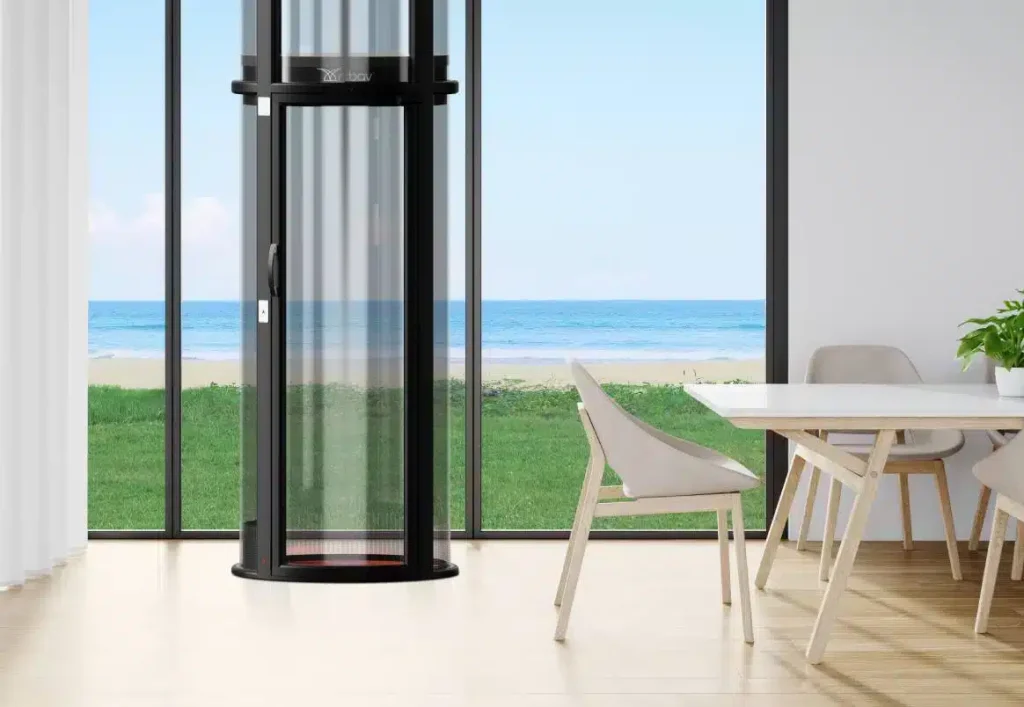
Choosing a home lift can feel overwhelming, especially when you are working within a budget. You want safety, comfort, and reliability without paying more than necessary. The good news is, with the right approach, it is possible to get excellent value. In the middle of your search, Vaccum Lifts can be an appealing option thanks to their compact design, smooth operation, and energy efficiency. By focusing on cost, essential safety features, and reliable performance, you can make a smart and lasting investment. Taking the time to compare different brands, models, and warranties will help you find the ideal lift without compromising quality. 

Find below five smart strategies for selecting a budget-friendly home lift without compromising quality. 

Know your needs before shopping

Start by considering who will use the lift and how often it will be needed. Think about the number of floors it must serve, the cabin size, and any essential features for comfort or accessibility. This way, you avoid paying for unnecessary extras while ensuring the lift meets your daily lifestyle needs perfectly. 

Compare different types of lifts

Research various lift designs, from traditional models to compact or space-saving options. Some types are more affordable to install and maintain. By understanding the pros and cons of each type, you can find one that offers the best balance between performance and price.

Focus on safety and essential features

Even with a tight budget, safety should never be sacrificed. Choose a lift that includes essential features like emergency brakes, backup power, and advanced safety sensors. These should come as standard, not costly add-ons. The right safety equipment ensures your family’s protection while also increasing your home’s value and long-term peace of mind. 

Compare brands, models, and warranties

Take the time to research different manufacturers and carefully read customer reviews for honest feedback. Compare models side-by-side to find the best mix of quality, features, and price. Pay attention to warranty terms, as a strong warranty shows the manufacturer’s confidence in their product and can save you significant repair costs over time. 

Get multiple quotes before deciding

Prices can vary between suppliers for the same model. Ask for detailed quotes from several providers, including installation and maintenance costs. This will help you see the full picture and avoid hidden fees. Do not be afraid to negotiate for a better deal. 

Final thoughts 

Finding a budget-friendly home lift without losing quality is about careful planning and informed choices. By knowing your needs, comparing types, focusing on safety, checking warranties, and getting multiple quotes, you can make a decision that offers both value and peace of mind. The right lift will not only make life easier but also enhance the comfort and accessibility of your home for years to come. 


When looking to hire a concrete company for your project, it’s important to choose a trusted and reliable provider. One of the best ways to find a good company is by reading customer reviews. Reviews give you an idea of the company’s reputation, the quality of their work, and what it’s like to work with them. Here’s how to spot a trusted concrete company based on customer feedback.

1. Look for Consistent Positive Feedback

When reading reviews, look for consistent positive comments about the company’s work. A trusted concrete company will have many happy customers. Pay attention to reviews that talk about the quality of the concrete, how quickly the job was completed, and how professional the workers were. If many people are happy with the company, it’s a good sign that they do great work.

2. Pay Attention to Specific Details

The best reviews are the ones that give specific details. Customers who explain what they liked about the company’s work can help you know what to expect. For example, look for reviews that mention how the company handled problems, the quality of materials used, and how the final results turned out. Specific reviews are a good sign that the company takes care in their work and is focused on quality. Vague reviews that just say “good job” are less helpful.

3. Watch for Responses from the Company

A trusted concrete company cares about customer feedback. Check if the company responds to reviews, especially negative ones. A professional company will try to fix problems and address complaints kindly. This shows they want to improve their service. If the company ignores negative reviews or deletes them, it could be a warning sign.

4. Consider the Number of Reviews

While individual reviews matter, the total number of reviews is also important. A company with many reviews is likely to have more experience and a bigger customer base. More reviews can give you a better understanding of how the company works and how consistent their service is.

5. Look for Local Reviews

If you’re hiring a concrete company for a project near you, check for reviews from local customers. Local reviews can tell you how the company works in your area and if they know the local rules and requirements.

Get Trusted Concrete Services from Apexx Enterprise LLC

If you’re looking for a trusted concrete company, Apexx Enterprise LLC is here to help. Our experienced team is committed to delivering high-quality concrete services. Contact us today to schedule a free consultation and start your next project!

This post was written by a professional at Apexx Enterprise LLC. Adam Ortega founded the company Apexx Enterprise LLC, in 2016 at only 20 years old. Mr. Ortega has become a licensed general contractor Tucson in the state of Arizona like his father and grandfather before him. Apexx Enterprise LLC is a licensed concrete companies Tucson AZ, bonded, and insured and it is available for review at the Better Business Bureau. Apexx Enterprise LLC has won many achievements within the Home Advisor platform and we have multiple reviews as well. Their Mission Statement – “Our crew at Apexx Enterprise will perform the highest quality construction services for our customers. We aim to achieve our mission through total service satisfaction and by delivering our services while maintaining the highest levels of professionalism, integrity, and honesty.”


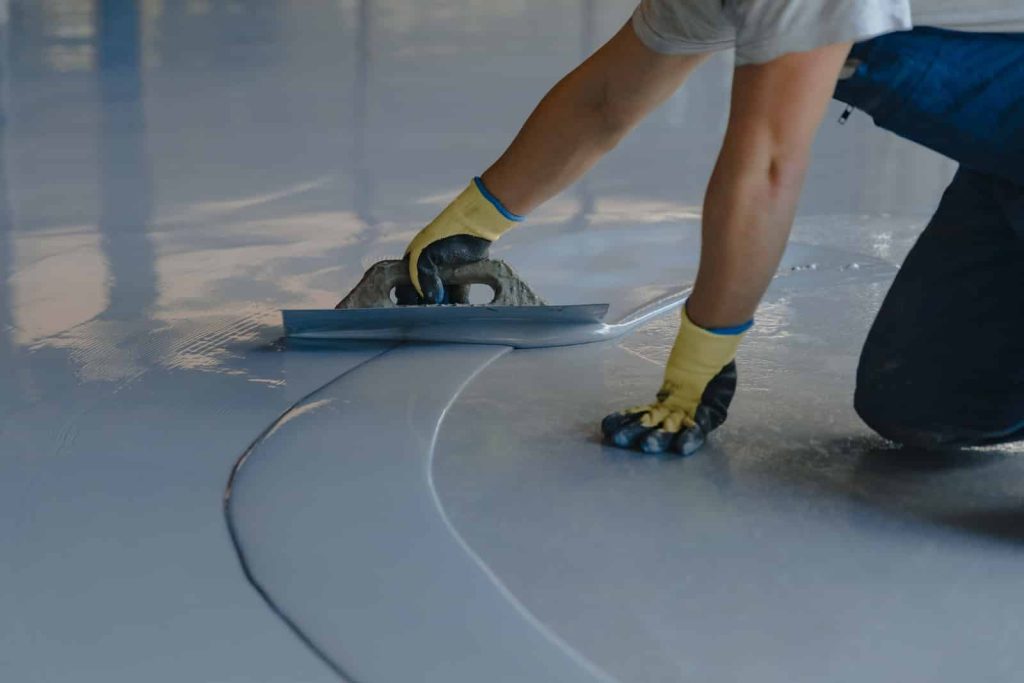
Long lasting resin flooring is prized for its durability, seamless finish and attractive appearance. Whether installed in a commercial, industrial or residential setting, resin floors can maintain their fresh, polished look for many years — but only if properly cared for. Regular maintenance is essential to prevent wear, staining and damage. In this article, we share practical tips to help you keep your epoxy resin floors looking brand new and extend their lifespan.

1. Regular Cleaning Is Key

The foundation of good resin floor maintenance is routine cleaning. Dust, dirt and grit can act like abrasives and wear down the surface over time if left unattended.

  • Sweep or Vacuum Daily: Use a soft broom or vacuum cleaner to remove loose debris and dust particles.

  • Mop Weekly: Use a damp mop with a mild detergent or pH neutral cleaner designed for resin floors. Avoid harsh chemicals or acidic cleaners which can damage the resin.

  • Spot Clean Spills Immediately: Wipe up spills such as oil, chemicals or food stains promptly to prevent staining or surface damage.

2. Use the Right Cleaning Products

Choosing appropriate cleaning products is crucial for preserving resin flooring.

  • Opt for cleaners specifically formulated for resin or epoxy floors.

  • Avoid bleach, ammonia or acidic substances that can degrade the resin.

  • For stubborn stains, use gentle scrubbing with a soft brush and resin-safe cleaning agents.

3. Protect High Traffic Areas

Areas with heavy footfall or frequent machinery movement are more prone to wear. Protect these zones by:

  • Applying protective mats or rugs at entrances and high use areas.

  • Using furniture pads to prevent scratches caused by chairs or equipment.

  • Scheduling periodic inspections and touch-ups to address early signs of wear.

4. Avoid Abrasive Tools and Methods

While resin floors are tough, abrasive tools like steel wool or harsh scrubbing pads can scratch and dull the finish.

  • Always use soft brushes, microfiber cloths or non-abrasive pads when cleaning.

  • For large commercial floors, consider professional cleaning equipment designed for resin surfaces.

5. Repair Minor Damage Quickly

Small chips, cracks or scratches can worsen if left unattended. Prompt repair helps maintain both the appearance and durability of your resin floor.

  • For minor surface damage, use resin repair kits available from flooring suppliers.

  • For extensive damage, consult a professional flooring contractor to restore the floor properly.

6. Avoid Excessive Water and Moisture

Although resin floors are water resistant, excessive moisture or standing water can lead to problems such as slipping hazards or, in rare cases, damage to the subfloor.

  • Ensure good drainage and ventilation in the area.

  • Wipe up puddles or excess water quickly, especially near entrances or outdoor access points.

7. Regular Professional Maintenance

For larger or commercial resin floors, periodic professional maintenance can extend the floor’s life and keep it looking pristine.

  • Professionals can perform deep cleaning, polishing and resealing treatments.

  • They can also identify and fix potential issues before they become major problems.

Final Thoughts

Resin flooring is an excellent investment due to its durability and sleek look, but it requires proper care to maintain its best appearance. By following these maintenance tips — regular cleaning, using appropriate products, protecting high traffic zones and addressing damage promptly — you can enjoy the benefits of a beautiful, long-lasting resin floor.

If you need advice tailored to your specific resin flooring type or environment, consult your flooring installer or manufacturer for recommended maintenance products and schedules.


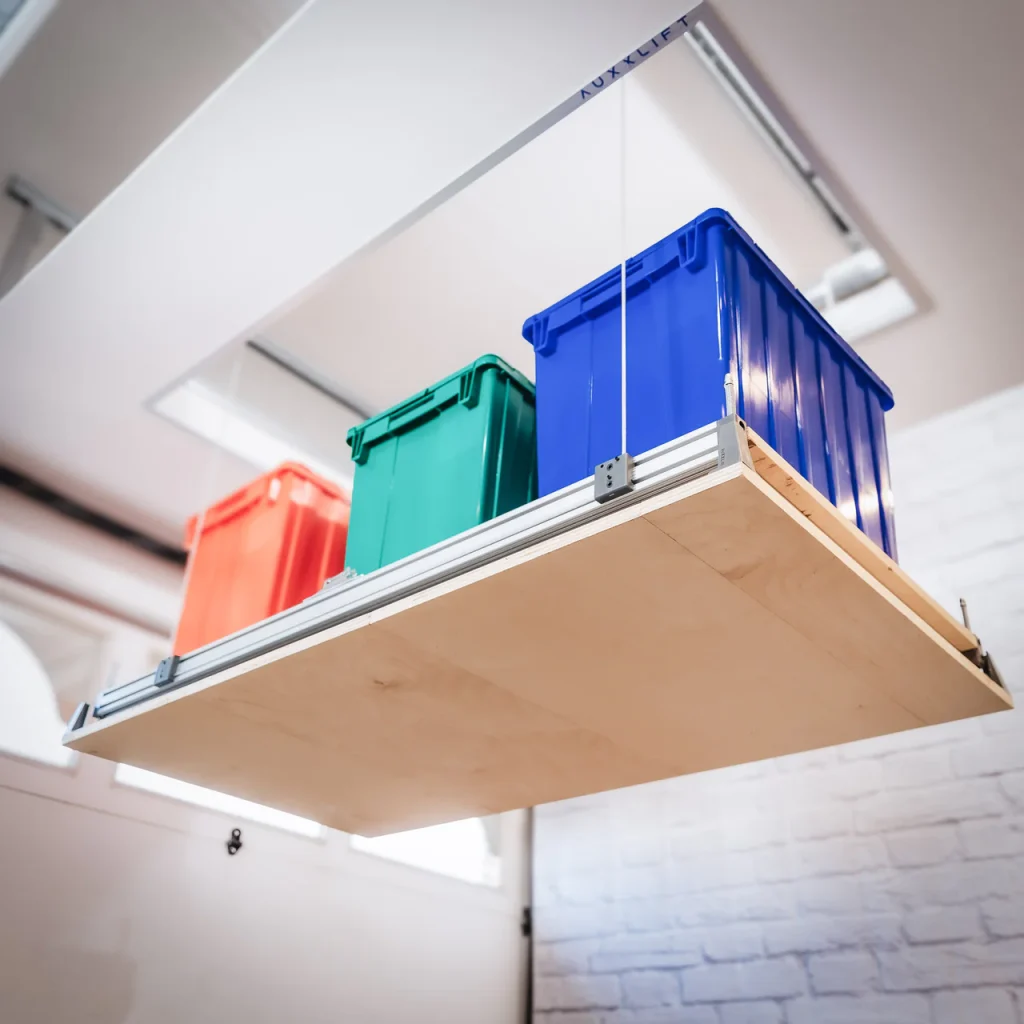
Attics have long been the overlooked corners of our homes — dusty, hard to reach, and often relegated to seasonal holiday decorations. Enter the AUXX Attic Lift, a compact, powerful solution designed to transform the way you store and retrieve items from your attic. Whether you’re moving heavy boxes, musical instruments, or bulky winter gear, the AUXX Attic Lift streamlines the process and brings your attic within arm’s reach.

Effortless Installation

Installing the AUXX Attic Lift takes just a few hours and requires minimal tools. The system mounts securely between existing joists in your attic opening. With an adjustable-width frame and a universal mounting bracket, the AUXX Attic Lift adapts to most standard ceiling heights and hatch sizes. The included quick-connect motor housing means you’ll have power and control access in no time—all without cutting into your ceiling or reinforcing joists.

Powerful, Yet Quiet Operation

Don’t let its compact footprint fool you. The AUXX lift motor delivers up to 150 kg (330 lb) of lifting capacity, enough to haul even the heaviest storage bins. Its precision gearbox and noise-dampening mount keep operation under 50 dB, so you won’t disturb the rest of the household when hauling items up or down.

Intuitive Controls & Safety Features

A wireless remote puts the AUXX Attic Lift at your fingertips. Raise or lower your load with the press of a button, then use the integrated auto-lock to secure the platform in place. Safety sensors on all sides detect obstructions and immediately halt movement, preventing damage or injury. There’s even an emergency manual release lever should you lose power.

Versatile Platform Options

Choose between the standard “Cargo Tray” for boxes and totes, or the “Adjust-a-Platform,” which accommodates odd-shaped items like skis, suitcases, or sports gear. Both platforms slide smoothly on low-friction rollers and lock into place once fully extended or retracted. A built-in modular grid system makes it simple to add accessory hooks or bins for smaller objects.

Why the AUXX Attic Lift Stands Out

Space-Saving Design: Hardware tucks neatly above your attic ceiling, freeing up floor space below.

Energy Efficient: Consumes less than 200 W at peak load, drawing minimal electricity.

Durability: Galvanized steel frame and weather-resistant components ensure years of dependable service.

Customization: Optional LED lighting, remote keypad mounting, and smart-home integration available.

The AUXX Attic Lift redefines attic storage by making it safe, quiet, and effortless to move items between your living space and storage area. Say goodbye to dusty ladders and precarious balancing acts—this innovative system is the ultimate upgrade for any homeowner looking to maximize their attic’s potential. Whether you’re organizing seasonal décor, archiving keepsakes, or simply reclaiming closet space, the AUXX Attic Lift delivers convenience and peace of mind with every load.