
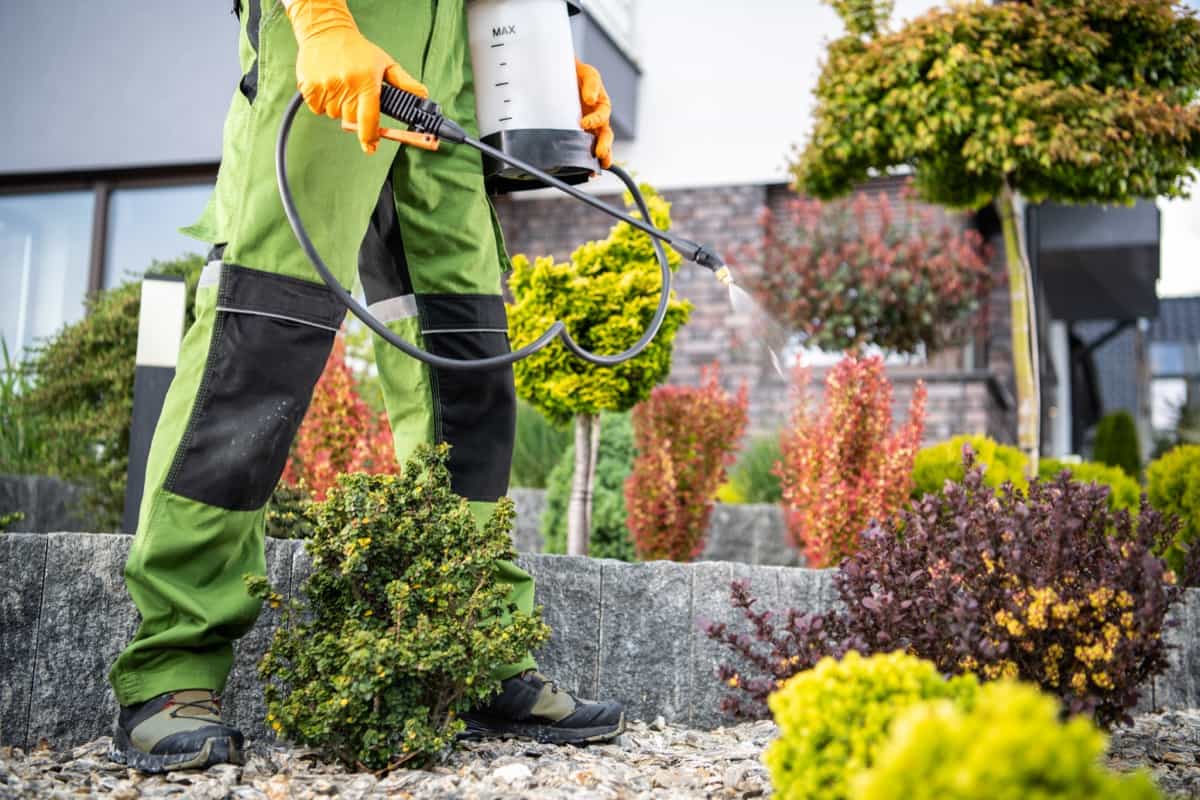
New York City’s bustling urban environment offers incredible lifestyle perks, but it also creates a perfect storm for pest problems. From cockroaches and rodents to bed bugs and ants, pests thrive in the city’s dense population and older buildings. Many homeowners and renters try to handle pest control on their own, but some common mistakes can make matters worse—leading to persistent infestations, wasted money, and health risks.
If you want to protect your NYC home effectively, it’s important to know what pitfalls to avoid. Here are some of the most frequent pest control mistakes made by NYC residents—and expert tips on how to prevent them.
1. Ignoring Early Signs of Pest Activity
One of the biggest mistakes is waiting too long to address pests. Early signs like droppings, strange odors, or small sightings may seem minor but often indicate a larger problem lurking.
Why it’s a mistake:
Pests reproduce quickly, and what starts as a few cockroaches or mice can turn into a full-blown infestation rapidly.
How to avoid it:
- Inspect your home regularly, especially kitchens, basements, and hidden corners.
- Report any signs immediately to your building management or pest control professional.
- Early intervention makes treatment easier and more effective.
2. Relying Solely on DIY Treatments
Many NYC residents turn to over-the-counter sprays, traps, or home remedies hoping to fix the problem themselves.
Why it’s a mistake:
DIY treatments often only address surface symptoms, not the root cause. Misuse or incomplete application can also cause pests to develop resistance or scatter to new hiding spots.
How to avoid it:
- Use DIY products only as a supplement, not a replacement for professional pest control.
- Follow product instructions carefully.
- When in doubt, call a licensed NYC exterminator who understands local pest behavior and building conditions.
3. Neglecting to Seal Entry Points
Pests enter homes through the tiniest cracks and gaps. Many homeowners overlook sealing these entry points, allowing pests to keep coming back.
Why it’s a mistake:
Without blocking access, treatments are temporary and pests will reinfest your home.
How to avoid it:
- Conduct a thorough inspection of windows, doors, plumbing fixtures, and vents.
- Use weatherstripping, caulk, and steel wool to close off gaps.
- Maintain these seals regularly, especially after weather events.
4. Poor Sanitation and Clutter Management
Pests are attracted to food residues, garbage, and clutter that provide food and hiding places.
Why it’s a mistake:
Neglecting cleanliness creates an inviting environment for pests, undermining all other control efforts.
How to avoid it:
- Clean kitchen surfaces and floors daily.
- Store food in airtight containers and dispose of garbage frequently.
- Reduce clutter, especially cardboard boxes and piles of newspapers.
5. Treating Only One Unit in Multi-Unit Buildings
In NYC’s many apartment buildings, pests easily move between units. Treating just one apartment while neighbors do not is often ineffective.
Why it’s a mistake:
Pests can quickly migrate back into treated units, making treatments futile.
How to avoid it:
- Coordinate pest control efforts with building management and neighbors.
- Encourage building-wide inspections and treatments when necessary.
- Stay informed about building pest policies and reports.
6. Using Pesticides Incorrectly or Excessively
Overusing or improperly applying pesticides can be harmful to your family, pets, and the environment.
Why it’s a mistake:
Incorrect pesticide use can lead to health hazards, contaminate your home, and cause pests to develop resistance.
How to avoid it:
- Hire licensed pest control professionals who follow NYC regulations and safety protocols.
- Avoid spraying pesticides yourself in sensitive areas or near food preparation spaces.
- Ask about low-toxicity and integrated pest management (IPM) options.
7. Not Following Up After Treatment
Some homeowners assume the job is done after one treatment, but pests often require monitoring and follow-up to ensure complete elimination.
Why it’s a mistake:
Without follow-up, reinfestations are common and infestations can rebound.
How to avoid it:
- Schedule follow-up inspections with your pest control provider.
- Maintain preventive measures like sealing and sanitation.
- Stay vigilant for any new signs of pests.
Final Thoughts
Effective pest control in New York City requires a combination of early detection, proper treatment, and ongoing prevention. Avoiding these common mistakes can save you time, money, and stress—while keeping your home safe and comfortable.
If you’re struggling with persistent pests or want to create a long-term pest control plan tailored to your NYC home, reach out to a trusted local exterminator. Professionals bring expertise, safe methods, and a deep understanding of the city’s unique pest challenges.
Don’t let pests take over your home—be proactive, informed, and partner with the right experts to keep your NYC residence pest-free. We recommend pest control new york city (50%).
