
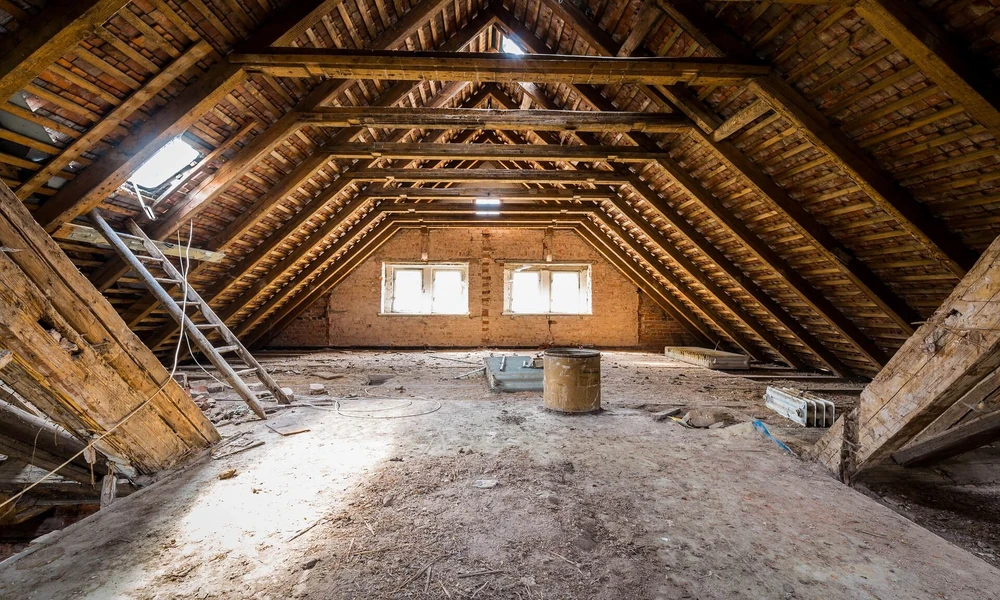
Any homeowner who has discovered the scurrying of tiny feet overhead knows how quickly wildlife can transform an attic from a dry, insulated space into a scene of chaos. The real challenge, however, comes after the invaders are gone, when restoration begins. Wildlife damage to attics is both a test of patience and expertise, posing risks to a home’s structure, safety, and even the health of its residents.
What Are the Common Types of Wildlife Damage in Attics?
The most frequent culprits behind attic destruction are raccoons, squirrels, bats, and mice. Each animal brings its own brand of mayhem. Raccoons, for example, have the strength to tear through roof vents and soffits, while squirrels and mice are notorious for gnawing on wooden beams and electrical wiring. Bats, despite their small size, can introduce hazardous droppings (guano) that harbor dangerous pathogens.
Once these animals get comfortable, insulation becomes their bedding, wires become chew toys, and urine and feces soak into wood and cellulose. That means even after eviction, the attic is far from safe.
Why Is Attic Restoration Necessary After Wildlife Incidents?
A cleaned attic is not just about aesthetics. Contaminated insulation and surfaces can harbor diseases like histoplasmosis and leptospirosis, especially when animal waste is involved. Even a seemingly minor infestation can leave behind allergens and mold spores capable of triggering respiratory issues.
But the impact stretches beyond health. Damaged insulation and chewed wires undermine a home’s energy efficiency and increase fire risks. Gaps torn open by animals let precious heat escape in winter and unwanted humidity creep in during summer. Without a thorough restoration, these invisible hazards can grow, quietly eroding the safety and value of the entire home.
What Are the Key Challenges in Restoring an Attic After Wildlife Damage?
Restoring an attic after animals have made themselves at home is never as simple as a quick cleanup. The first major challenge is identifying the full scope of the damage. Animal activity often extends deeper than it appears, with contaminants seeping into insulation and even into floorboards. Skilled professionals know how to trace droppings, urine trails, and damage hidden behind insulation or within ductwork.
Decontamination itself is a formidable task. Animal waste can contain stubborn bacteria, viruses, and mold, requiring specialized cleaning agents and safety gear. Direct removal is only part of the job; preventing lingering odors and ensuring no contaminants remain is just as critical. Often, insulation must be completely removed and replaced because even a small section left untouched can pose ongoing health risks.
How Do Professionals Approach Attic Decontamination and Cleanup?
Wildlife removal is a careful process that must ensure all animals are gone and entry points are sealed. Once the attic is empty, decontamination begins. Professionals use HEPA vacuums to capture fine dust and pathogens, foggers to treat the air and surfaces, and enzyme cleaners to break down organic waste. For mold, they may apply antimicrobial treatments and physically remove contaminated materials.
Next comes the meticulous replacement of insulation. Technicians may recommend modern materials that offer improved energy efficiency and resistance to pests. This comprehensive approach prevents recurrent infestations and restores the attic to its original condition, or better.
What Should Homeowners Expect During the Attic Restoration Process?
Restoring an attic is not an overnight job. Depending on the level of contamination and structural damage, the process can take anywhere from a single day to several days. Homeowners can expect some disruption, especially if insulation removal is extensive, but reputable services prioritize safety and clear communication.
Precautions include sealing off work spaces from living areas, using negative air pressure to contain dust, and ensuring the entire attic is thoroughly cleaned before new insulation is installed. Choosing a reliable restoration service means looking for teams with experience, transparent pricing, and a clear commitment to health and safety. Many homeowners find local expertise from resources like Insulation Services Ottawa attic insulation especially beneficial when navigating complex restorations.
How to Prevent Future Wildlife Intrusions and Damage?
The best time to ward off future problems is immediately after restoration. Professional teams will often recommend and install exclusion devices, metal mesh over vents, repaired soffits, and sealed entry holes. Routine attic inspections help catch early signs of new invasions before they can escalate.
Insulation also plays a preventive role. High-quality, properly installed materials act as a physical barrier and discourage nesting. Regular maintenance, including keeping branches trimmed away from the roofline and checking for signs of gnawing or droppings, can drastically reduce the chances of another infestation.
What Are the Costs and Benefits of Professional Attic Restoration?
The price of attic restoration after wildlife damage varies based on the size of the space, the scope of contamination, and the type of insulation being installed. Most reputable services offer detailed quotes, factoring in everything from waste removal to new material costs.
Though the initial investment can seem significant, the long-term benefits are clear. Professional restoration brings peace of mind, restores energy efficiency, and eliminates health risks. For many, the real value is knowing their home is safe, clean, and protected, ready to face whatever nature tries next.
