Category

Construction

Category

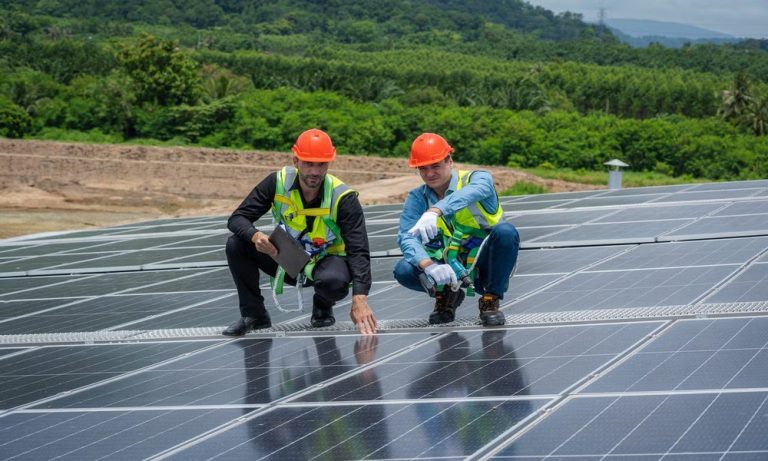
Utility-scale solar contractor work involves managing large photovoltaic installations that feed power directly into the grid. You look for a contractor who can handle the full scope, from engineering layouts to procurement of panels and inverters, through to construction and grid connection. Knobelsdorff acts as a utility-scale solar contractor in Minnesota, delivering end-to-end execution on projects that range from community arrays to multi-megawatt developments.

These installations often cover hundreds of acres in rural areas. You need precise site preparation to support racking systems and panel placement. Electrical collection lines gather DC power from strings before conversion at inverters. In the Midwest, frost and snow require designs that account for ground movement and seasonal cleaning needs.

Site Selection and Preparation Challenges

You start with land that offers flat terrain and good solar exposure. Geotechnical reports guide foundation choices, whether driven piles or ballasted systems. Access roads get built early to bring in heavy equipment without damaging the site.

In Minnesota, you factor in winter conditions during planning. Drainage prevents water pooling that could freeze and shift structures. Knobelsdorff addresses these realities in their utility-scale work, ensuring stable foundations for long-term performance. This preparation is crucial for enhancing project efficiency, reducing costs, and minimizing delays, ultimately leading to successful implementation.

Electrical Design and Grid Integration

Design focuses on efficient power flow from panels to the point of interconnection. Medium-voltage collection reduces losses over distance. Step-up transformers match grid voltage requirements.

You run interconnection studies to confirm capacity on nearby lines. Protective relaying prevents faults from cascading. Knobelsdorff coordinated these elements in projects like the 13.69 MW Westside Solar in Rochester, where they built the array on 140 acres as part of a utility’s renewable transition.

Construction Sequencing for Large Arrays

You carefully sequence work to match weather windows. Civil crews grade and install racking first. Electricians then follow with string wiring and inverter connections. Cranes position transformers and switchgear precisely on-site.

Testing happens in layers. Panel strings get checked for continuity before full energization. Commissioning includes performance ratio verification under real conditions. Knobelsdorff managed this process in the Marshall utility-scale solar array and BESS, handling the complete build for reliable output.

Operations and Maintenance After Handover

You monitor production metrics from day one. SCADA systems track output and alert on underperformance. Vegetation control keeps panels unshaded. In snowy seasons, you plan for clearing to maintain winter generation.

A utility-scale solar contractor often provides ongoing support and maintenance. This includes module inspections and inverter servicing. Knobelsdorff maintains a 125 MW portfolio across 28 Minnesota sites, applying hands-on experience to keep systems producing consistently and efficiently.

Large solar projects demand coordination across teams and timelines. You benefit from a contractor familiar with regional utilities and permitting. Through installations like the Dundas community solar with 20,000 panels and the Nautilus projects totaling 15 MW, Knobelsdorff shows practical capability in delivering utility-scale solar that meets grid needs and supports clean energy goals.

Commercial property owners and facility managers in Utah understand that a well-maintained parking lot is essential for smooth operations and a professional appearance. Retail centers, office complexes, warehouses, and industrial facilities rely on durable asphalt surfaces to manage traffic safely and efficiently. Professional asphalt paving Utah services offer reliable solutions for businesses looking to maintain and upgrade their commercial properties. Companies like Top Job Asphalt specialize in providing high-quality asphalt paving tailored specifically for business parking lots and access areas.

The Role of Asphalt in Commercial Property Management

Parking lots, driveways, and access roads are crucial components of commercial properties. Properly paved surfaces ensure safe vehicle movement, reduce maintenance issues, and contribute to a positive first impression for clients, employees, and visitors. For property managers, maintaining these areas is a key part of efficient facility management.

Benefits of Asphalt for Business Parking Lots

Asphalt provides a durable, flexible, and cost-effective paving solution for commercial properties. It withstands heavy vehicle traffic, frequent use, and Utah’s seasonal weather conditions. Asphalt is also easy to repair and maintain, allowing property managers to address issues quickly without disrupting daily operations.

Planning Asphalt Projects for Commercial Properties

Professional asphalt paving begins with careful planning. Contractors assess traffic volume, load requirements, drainage systems, and soil conditions to design a pavement system that meets the property’s needs. Top Job Asphalt works closely with facility managers and property owners to ensure every project is customized for maximum durability and functionality.

Enhancing Safety and Accessibility

Well-designed asphalt surfaces improve safety and accessibility on commercial properties. Clearly marked parking spaces, driving lanes, loading zones, and pedestrian pathways help reduce congestion and prevent accidents. A properly planned layout ensures that both vehicles and pedestrians can navigate the property efficiently.

Maintenance for Long-Term Asphalt Performance

Even high-quality asphalt requires regular maintenance to retain its durability and appearance. Routine services such as sealcoating, crack repair, and inspections help extend the life of commercial pavements. Consistent maintenance also prevents costly repairs, minimizes liability risks, and preserves the professional look of the property.

Choosing a Trusted Asphalt Paving Partner

Commercial property owners and facility managers need contractors who understand the demands of business parking lots and access roads. Top Job Asphalt provides expert asphalt paving Utah services, delivering durable, safe, and long-lasting solutions for office complexes, retail centers, industrial sites, and corporate campuses.

Supporting Utah Businesses with Professional Asphalt Solutions

Reliable asphalt surfaces are a critical investment for commercial properties. They enhance safety, improve traffic flow, and maintain a professional appearance for clients, employees, and visitors. By partnering with Top Job Asphalt, Utah property owners and facility managers can ensure that their parking lots and access areas remain durable, safe, and efficient for years to come.

Financing a construction project effectively requires a clear understanding of how interest rates impact borrowing costs. Builder construction loans are specialized loans designed for contractors and developers, and the interest rates associated with these loans play a crucial role in project budgeting and profitability. By understanding how rates are determined and how they affect repayments, contractors can make informed decisions that keep projects financially viable.

How Interest Rates Affect Builder Construction Loans

Interest rates on builder construction loans determine the cost of borrowing. Unlike standard mortgages or business loans, these loans are often short-term and tied directly to the construction phase of a project. The rate affects both the total cost of the loan and the monthly or periodic payments. A lower interest rate reduces financing costs, while a higher rate increases the amount owed, which can impact project cash flow and overall profitability.

Factors That Influence Interest Rates

Several factors influence interest rates on builder construction loans. Lenders consider the borrower’s credit history, experience in construction, and the financial stability of the business. The type of project, its size, and complexity also play a role, as larger or more complex projects are perceived as higher risk. Additionally, market conditions, prevailing economic trends, and the lender’s policies can affect the rate offered. Contractors should evaluate these factors and work with lenders to secure the most favorable terms.

Fixed vs. Variable Interest Rates

Builder construction loans may have fixed or variable interest rates. Fixed rates remain constant throughout the loan term, offering predictable repayment schedules and easier budgeting. Variable rates fluctuate with market conditions, which can result in lower initial costs but carry the risk of increasing over time. Contractors must weigh the benefits of predictability against potential savings when choosing between fixed and variable rates.

Impact on Cash Flow and Project Planning

Understanding interest rates is vital for managing project cash flow. High rates can strain budgets, limiting the ability to purchase materials or hire subcontractors on schedule. Conversely, favorable rates allow contractors to allocate funds efficiently, keep work moving, and avoid delays. By factoring interest costs into project planning, contractors can maintain profitability and ensure timely completion.

Tips for Managing Interest Costs

To minimize the impact of interest on builder construction loans, contractors can take several steps. Shopping around for competitive rates, negotiating terms with lenders, and maintaining strong financial records all improve the likelihood of securing lower rates. Additionally, careful project planning and staged draw requests ensure funds are used efficiently, reducing the overall interest burden.

Conclusion

Interest rates on builder construction loans directly influence project costs, cash flow, and profitability. Contractors who understand how rates are determined, the difference between fixed and variable options, and strategies to manage interest costs can make informed decisions that support successful project completion. By carefully selecting loan terms and working with experienced lenders, contractors can optimize financing, reduce risks, and keep construction projects on schedule and within budget.

Introduction to H&H Paving

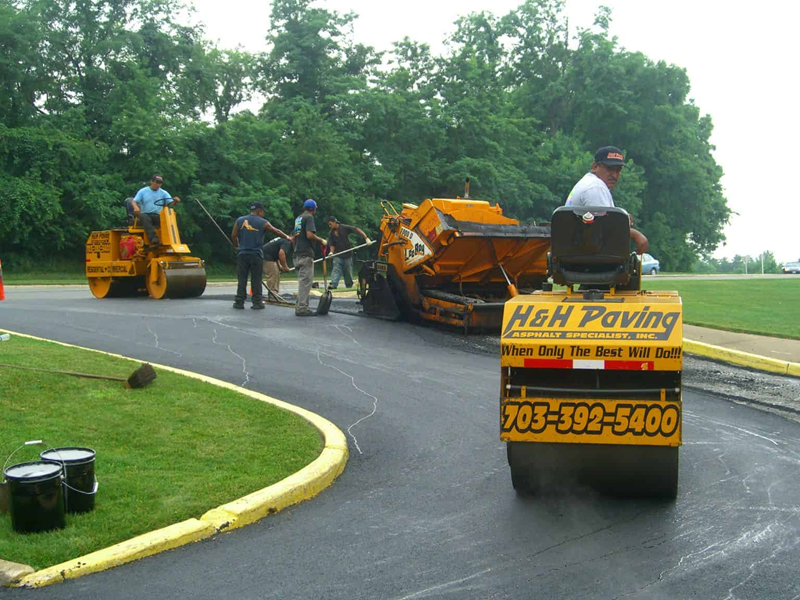
For decades, H&H Paving has been a trusted name in the paving industry, offering extensive expertise across both residential and commercial sectors. Their comprehensive services and commitment to quality have made them a leader in the field, effectively catering to clients’ needs from private roads to expansive parking lots. Specializing in seamless, efficient, and durable asphalt solutions, H&H Paving ensures that every project is executed with precision and care.

Reputation for Quality and Excellence

The success of H&H Paving isn’t merely from its state-of-the-art equipment and modern techniques, but also from its unwavering dedication to customer satisfaction. By leveraging years of professional experience, the team at H&H Paving delivers exceptional results, ensuring long-lasting surfaces that not only meet but exceed client expectations. Their meticulous attention to detail distinguishes them from competitors within the paving industry.

Residential Paving Services

Residential clients seeking a professional and reliable solution for driveway construction or repair need not look further. H&H Paving offers customized services that are tailored to the specific requirements of each homeowner. Whether creating new driveways, enhancing curb appeal, or maintaining existing structures, H&H’s residential services are characterized by durability, aesthetic appeal, and functional excellence.

Driveway Installation and Repair

H&H Paving excels in both the installation and repair of driveways, providing options that enhance both the functionality and visual appeal of residential spaces. The skilled team ensures that every driveway is expertly laid out and constructed, guaranteeing a smooth, safe driving experience for years to come. Repair services also prevent further damage and reduce safety hazards, extending the life of the driveway and maintaining property value

Private Roads and Pathways

Private roads can pose distinctive challenges, but H&H Paving is adept at managing the complexities involved in constructing and maintaining these essential infrastructures. Whether needing a new road installation or requiring repairs and resurfacing of existing pathways, clients can rely on H&H for efficient and cost-effective solutions.

Commercial Paving Services

In the commercial sector, H&H Paving’s expertise extends to constructing and maintaining various infrastructures. Businesses rely on them for robust paving solutions capable of handling high traffic volumes while ensuring safety and functionality.

Parking Lot Construction and Maintenance

Parking lots are a critical component of any commercial property. H&H Paving specializes in constructing parking lots that are not only durable and efficient but also safe and aesthetically pleasing. Their comprehensive maintenance services keep these areas in peak condition, addressing wear and potential hazards before they escalate.

Pavement Marking and Striping

Pavement marking and striping are essential for traffic flow and safety. H&H Paving uses high-quality materials and precise techniques to ensure that all markings are clear, long-lasting, and compliant with regulatory standards. Properly marked parking lots contribute to an organized and navigable space, enhancing the experience for customers and visitors alike.

Commercial Roadways and Infrastructure

H&H Paving handles the design and construction of commercial roadways with a focus on durability and efficiency. Their infrastructure solutions support the heavy-duty needs of businesses, ensuring that roads are capable of withstanding substantial pressure while remaining intact and safe.

Why Choose H&H Paving

Clients choose H&H Paving for their unmatched expertise, superior customer service, and attention to quality. Their industry-leading techniques and comprehensive approach ensure that all projects are completed on time, within budget, and to the highest standard. Dedicated to using only top-quality materials, they guarantee results that stand the test of time.

Commitment to Client Satisfaction

Understanding that every client’s needs are unique, H&H Paving listens and tailors their services to achieve each client’s vision. Their open communication, transparency, and customizable solutions have earned them a reputation for reliability and trustworthiness in the paving industry.

Visit H&H Paving’s Website for More Information

To explore in detail the extensive range of services offered or to consult with professional experts in paving, visit the H&H Paving website. From initial consultation to project completion, H&H Paving is committed to providing guidance and expert solutions tailored to each project’s needs.

When looking to hire a concrete company for your project, it’s important to choose a trusted and reliable provider. One of the best ways to find a good company is by reading customer reviews. Reviews give you an idea of the company’s reputation, the quality of their work, and what it’s like to work with them. Here’s how to spot a trusted concrete company based on customer feedback.

1. Look for Consistent Positive Feedback

When reading reviews, look for consistent positive comments about the company’s work. A trusted concrete company will have many happy customers. Pay attention to reviews that talk about the quality of the concrete, how quickly the job was completed, and how professional the workers were. If many people are happy with the company, it’s a good sign that they do great work.

2. Pay Attention to Specific Details

The best reviews are the ones that give specific details. Customers who explain what they liked about the company’s work can help you know what to expect. For example, look for reviews that mention how the company handled problems, the quality of materials used, and how the final results turned out. Specific reviews are a good sign that the company takes care in their work and is focused on quality. Vague reviews that just say “good job” are less helpful.

3. Watch for Responses from the Company

A trusted concrete company cares about customer feedback. Check if the company responds to reviews, especially negative ones. A professional company will try to fix problems and address complaints kindly. This shows they want to improve their service. If the company ignores negative reviews or deletes them, it could be a warning sign.

4. Consider the Number of Reviews

While individual reviews matter, the total number of reviews is also important. A company with many reviews is likely to have more experience and a bigger customer base. More reviews can give you a better understanding of how the company works and how consistent their service is.

5. Look for Local Reviews

If you’re hiring a concrete company for a project near you, check for reviews from local customers. Local reviews can tell you how the company works in your area and if they know the local rules and requirements.

Get Trusted Concrete Services from Apexx Enterprise LLC

If you’re looking for a trusted concrete company, Apexx Enterprise LLC is here to help. Our experienced team is committed to delivering high-quality concrete services. Contact us today to schedule a free consultation and start your next project!

This post was written by a professional at Apexx Enterprise LLC. Adam Ortega founded the company Apexx Enterprise LLC, in 2016 at only 20 years old. Mr. Ortega has become a licensed general contractor Tucson in the state of Arizona like his father and grandfather before him. Apexx Enterprise LLC is a licensed concrete companies Tucson AZ, bonded, and insured and it is available for review at the Better Business Bureau. Apexx Enterprise LLC has won many achievements within the Home Advisor platform and we have multiple reviews as well. Their Mission Statement – “Our crew at Apexx Enterprise will perform the highest quality construction services for our customers. We aim to achieve our mission through total service satisfaction and by delivering our services while maintaining the highest levels of professionalism, integrity, and honesty.”


Excavation is a critical first step in many construction projects, from residential homes to large commercial developments. Hiring the right excavating services can set the tone for a successful project, ensuring that the site is properly prepared for the next stages of construction. Here’s what you need to know about hiring excavating services and how to ensure a smooth process.

Understanding Excavating Services

Excavating services involve more than just digging; they are a comprehensive part of the site preparation process. Excavation typically includes clearing the land, digging foundations, trenching for utilities, grading the site for proper drainage, and removing debris. The purpose of excavation is to create a stable and level surface that meets the specifications for construction.

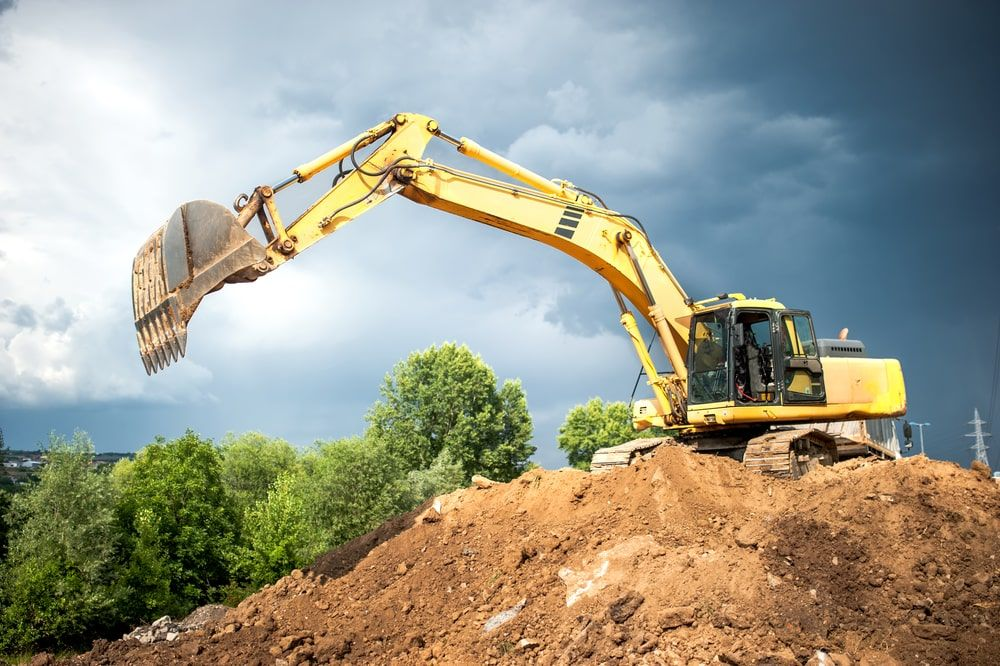
Excavating contractors use various equipment, such as bulldozers, backhoes, and excavators, to perform these tasks efficiently. Their expertise ensures that the foundation of your project is solid, and they help with earth moving to create the necessary terrain for the structure to be built.

Key Factors to Consider When Hiring Excavating Services

When selecting an excavating service for your project, it’s important to assess the company’s experience, equipment, and reputation. Here are the key factors to consider:

1. Experience and Expertise

Excavating requires specialized knowledge of the terrain, soil types, and construction requirements. It’s crucial to hire an experienced contractor who understands how to assess the land and perform excavation tasks according to the project’s needs. Be sure to ask about their experience with similar types of projects, whether residential, commercial, or industrial.

2. Proper Equipment

Excavation services rely on heavy machinery, which should be well-maintained and up-to-date to complete the job efficiently. Inquire about the types of equipment the company uses and ensure it is suitable for the scale and specifics of your project. The right equipment can make a significant difference in the quality of work and the time required to complete the excavation.

3. Insurance and Licensing

Make sure the excavating contractor is properly licensed and insured. Excavating is a risky job that involves heavy machinery and the potential for accidents. To protect yourself and your project, confirm that the contractor holds the necessary insurance to cover any damage or injury that may occur during the excavation process.

4. Project Timelines

Excavating services play a crucial role in meeting your construction project deadlines. Discuss the timeline for excavation work to ensure it aligns with the overall schedule. A reputable excavator will provide a clear timeline for completion and discuss any potential delays that might arise due to weather or other unforeseen factors.

5. Site Assessment

Before starting any excavation work, the contractor will need to assess the site. This includes evaluating the soil conditions, any underground utilities, and determining the best methods for excavation. Make sure the contractor conducts a thorough site inspection to prevent any surprises during the excavation phase.

The Excavation Process: What to Expect

Once you’ve hired an excavating service, the work will begin with a site survey to determine the scope of the excavation. Here’s a step-by-step look at what to expect during the process:

1. Site Clearing

The first step is clearing the site of any vegetation, debris, or structures that might interfere with the excavation process. This step ensures a clean area for excavation machinery to operate safely.

2. Excavation and Grading

Next, the excavation begins. The contractor will use heavy machinery to dig, move earth, and level the site to the required depth. Grading ensures that the land is evenly sloped, allowing for proper water drainage and a stable foundation for the construction.

3. Trenching for Utilities

If your project involves laying utilities such as plumbing or electrical lines, the excavating service will create trenches. This is an essential part of the preparation process, ensuring that your utilities are properly installed and accessible.

4. Compaction

After excavation, the soil is often compacted to ensure it’s stable enough for construction. This is especially important for foundation work, as the soil must be able to support the weight of the building without shifting over time.

Conclusion

Hiring the right excavating services is crucial to the success of any construction project. By ensuring that the contractor is experienced, insured, and well-equipped, you can expect a smooth and efficient excavation process. With proper excavation, your project will be on solid ground, ready for the next stages of construction. Always communicate clearly with your contractor and stay involved throughout the process to ensure that your vision is realized in a timely and cost-effective manner.


When managing community projects, particularly those for homeowners’ associations (HOAs), the choice of a project manager can significantly influence the success of the endeavor. Despite the presence and efforts of HOA boards, engaging a dedicated project management company provides the continuity and professional oversight necessary to ensure projects are completed efficiently and to high standards.

The Benefits of Professional Project Management for HOAs

HOAs often undertake substantial projects such as exterior restorations, which require meticulous planning and execution. Choosing the best project manager for your association means bringing on a partner who can handle complex logistics and ensure that all project facets are coordinated smoothly. A professional manager brings expertise that saves the association both time and money, streamlining processes from start to finish.

Key Qualities to Look for in a Project Management Company

When selecting the right project manager for community projects, it’s crucial to consider more than just cost. The expertise a seasoned manager brings to your community can be invaluable. Here are three primary attributes to evaluate:

  1. Experience Look for a manager with a proven track record in similar community association projects.
  2. Communication Skills Effective communication is vital. The manager should be capable of keeping the board updated and handling any concerns that arise.
  3. Specialization The manager should have specific experience in the type of project your association plans to undertake, whether it’s structural repairs, landscaping, or something else entirely.

How to Navigate the Project Manager Selection Process

Finding the ideal project manager for community associations involves a clear and organized approach. Here’s a streamlined process to help your HOA make an informed decision:

  1. Form a committee from the board to guide the selection.
  2. Develop a detailed request for proposal (RFP) that outlines your project needs and gather necessary supporting documents.
  3. Identify and contact management companies with the capability and interest to handle your project.
  4. Distribute the RFP to interested parties and arrange for site visits and interviews.
  5. Evaluate all received proposals, conduct interviews with the candidates and their references, and choose the best fit for your project.

Ensuring your community’s projects are managed efficiently and effectively requires a professional touch. A reputable HOA renovation company in Georgia with experience in a wide range of projects, from home renovations to large-scale improvements, can provide high-quality services for your next renovation project.

If your HOA is looking to embark on a new project and needs reliable management, consider how a professional team can make a difference. Thoroughly research and vet potential candidates, and don’t hesitate to reach out to companies with proven expertise in managing community projects. With the right project manager on board, you can increase the likelihood of achieving your community goals on time, within budget, and to the highest standards of quality.

As homeowners, we could have plans to renovate our house in the future, especially when it concerns our roofing systems. It would surely take more than one decade before finally deciding to reinstall a new roof. When the time comes, we can shift to a modern style since there are stronger materials for new designs.

Why should we bother to invest in our roofs anyway? Well, this is a very important part of your property since it protects the house from natural forces and elements. That’s why it requires maintenance and must be cleaned regularly to prolong its shelf life.

I suppose there are roofing contractors in your area, so choose the experienced and reliable ones when hiring them. In this way, you’re guaranteed that they can accomplish the housing project according to your demands. The roofer guide will help us deal with your style, thus, be very sure that they’re professionals in this field.

Overview

When we are talking about a modern type of residential roofing system, it means that functionality is met with our preferred style. This only implies that it has to be durable with aesthetic considerations. In this way, it could enhance the value of your property and appearance as well.

So why do we like a modern one, anyway, because this will surely cost more? Let’s say that it’s a good way to improve our bills since new materials are energy-efficient. This means that we can also help in reducing the rate of carbon footprint.

When functionality, style, and other features come together. It only proves that technology helped in such a transformation. I guess it’s good that manufacturers in this industry progressed since we now have better options.

Roofers

We can always hire anybody to work on our housing projects. However, if they’re not professionals, then don’t expect that the outcome would be satisfying. In that case, you might want to change your roofing style soon and spend again for installation.

Find roofers who are known for their excellent performance. If you’d like a modern and trendy style, then these people must have trained. When they’re certified, there’s a guarantee that they can deal with the latest technology.

What’s trending?

One is the use of eco-friendly materials. I guess it’s time for the construction industry to integrate recyclable and sustainable resources. This includes concrete, metal, and clay – click https://www.smartcitiesdive.com/ex/sustainablecitiescollective/eight-eco-friendly-roofing-materials-when-building-roof/1213354/ for further reading.

Using bold colors would look great for your homes. Following certain patterned shingles would make your roof stand out, too. In my opinion, this can be a big break for manufacturers.

Innovative Technology

Every industry can’t be left behind, especially now that we have high-tech equipment and machines. Through the help of advanced technology, various manufacturers can now produce shingles designed with thermal insulation. With this innovation, your roof can protect the house from intense heat.

Because of this, we can reduce our energy consumption, thus, we’ll be paying lower monthly dues. This can be installed on various types of roofs, such as flat, panel, and pitched. Polystyrene, mineral wool, and polyurethane are just a few of the materials used in manufacturing insulated shingles.

Aesthetics

Since your roof is usually visible from all angles, homeowners would consider aesthetics to please our eyes. This is our property and investment, thus, we’d love to make it look spectacular. That’s why we have to choose experienced roofers to guide us with our design preferences.

Shingles are manufactured with a variety of options. There are different patterns, colors, and textures that are tailored to our diverse demands. Not to forget various styles to choose from, such as gables and gambrels which can make the shingles unique – find here more info.

Aesthetics

Choosing your Materials

Be reminded that it’s essential for homeowners to choose the right and appropriate materials. Of course, we need the experts to help us with this decision. There are a few factors that must be considered here.

One is the weather condition in our area which greatly contributes to wear and tear. That’s why our roof must be durable since this will be fighting such elements for a long time.

Next is the architectural design of the house because no matter how modern we want our roofing system to be, it won’t look great when these don’t suit. Lastly, we should prepare our budget and make sure that the funds would be sufficient for this project.

Modern Material Options

We have preferences when dealing with designs. That’s why we’d like our property to look more valuable and appealing. However, aesthetics can only be effective when the right and most appropriate materials are used.

Metal

It’s known for being durable, thus, can prolong lifespan and slow weathering. Since it’s lightweight, it can be more flexible and suits with various shapes.

Installing this type is faster, too, compared to others. It’s also easier to conceal gutters and pipes. Fewer joints are required and that makes it low maintenance.

If you’re a fan of contemporary designs, then you might have an eye on zinc. This is available in different colors. You may go for it if there are plans to install solar panels so it won’t give the providers a hard time clipping them on the seams.

Single-ply

This is easy to install since you just need to weld it on the deck. It’s designed with a flexible membrane and resists UV radiation. With the right installation, it can last for up to 4 decades.

With waterproof membranes and decorative cladding, it will look sharp. Just make sure that the rain-screen can block residues that may fill gaps or spaces between your membrane and cladding.

Go for green coverings if you blend with landscapes. This can be added to single-ply surfaces but it’s heavy so check on the structure.

Tiles

Clay tiles are beautiful because of their texture and shade. It is complemented with render and brick. It’s naturally fire-resistant, so it can also last but needs replacements once it cracks.

This works best in low pitches since it’s heavier than metal. Therefore, the architect should deal with the structure.