Author

admin

Browsing

Flooding can leave behind serious damage, both seen and unseen. Beyond cleanup, protecting your home from future risks is just as important. Working with a professional water restoration company ensures your property not only recovers but also becomes stronger against future floods. These experts use proven methods to remove moisture, repair affected areas, and prevent new problems from forming. Their preventive approach helps homeowners enjoy peace of mind, knowing their home is better prepared for whatever comes next.

A water restoration company does more than fix water damage, as it strengthens your home’s defense against future floods. Here are five ways they help protect your property long-term.

Complete moisture detection and removal 

Even after visible water is gone, hidden moisture can remain in walls, floors, and ceilings. Professionals use advanced tools like moisture meters and infrared cameras to detect trapped water. They dry every affected area thoroughly, preventing mold growth and structural damage that could make your home vulnerable during the next flood.

Professional waterproofing solutions 

A key step in flood prevention is proper waterproofing. Restoration companies inspect basements, crawl spaces, and foundations for leaks or cracks. They apply waterproof coatings, install sump pumps, and seal weak points where water might enter. These protective measures strengthen your home’s resistance to future water intrusion.

Improved drainage and gutter maintenance 

Poor drainage can worsen flooding problems. Experts evaluate your property’s grading and gutter system to ensure water flows away from your home. They may recommend extensions, downspout adjustments, or French drains to redirect excess water safely. These simple improvements greatly reduce the risk of repeat water damage.

Mold prevention and air quality control 

After a flood, damp conditions encourage mold and mildew growth. A professional team sanitizes and dehumidifies your home to stop spores from spreading. They also check air circulation and humidity levels to maintain a dry, healthy environment. This not only protects your home but also your family’s health.

Long-term maintenance and guidance 

Reliable water restoration companies offer advice on ongoing care. They teach homeowners how to monitor humidity, maintain sump pumps, and inspect for leaks. Regular maintenance helps identify small issues before they become major problems, keeping your home flood-ready year-round. 

Final words 

With expert help from a trusted water restoration company, you can recover quickly from water damage, implement lasting protective measures, prevent mold and structural issues, and maintain a safer, stronger home that is better prepared to withstand future floods. 

If you’re planning a kitchen remodeling project in Franklin, TN, you deserve a contractor that delivers both craftsmanship and care. At Southern Tradesman Co., we specialize in kitchen remodeling Franklin projects that combine elegance, functionality, and long-lasting value.

Your kitchen is more than a cooking space—it’s the heart of your home. Whether you’re updating outdated cabinetry, opening up your floor plan, or upgrading to premium materials, our experienced team will bring your dream kitchen to life with precision and quality.

Why Choose Southern Tradesman Co. for Kitchen Remodeling Franklin

Homeowners across Williamson County and Davidson County trust Southern Tradesman Co. because we handle every aspect of your remodel with professionalism and transparency. From the first design consultation to the final inspection, we ensure your kitchen renovation in Franklin reflects your vision, budget, and lifestyle.

Our services include:

  • Custom cabinetry and layout design
  • Countertops (granite, quartz, marble, butcher block)
  • Flooring installation (tile, hardwood, luxury vinyl)
  • Lighting, backsplash, and trim work
  • Full plumbing and electrical upgrades

We don’t just renovate kitchens — we enhance the way you live.

The Value of a Kitchen Renovation in Franklin

A professional kitchen remodel can transform your entire home’s atmosphere and significantly increase property value. In Franklin, most kitchen renovation projects cost between $250–$350 per square foot, depending on materials and finishes.

With Southern Tradesman Co., homeowners often see a full return on investment through improved functionality and resale appeal.

Your Local Kitchen Renovation Experts

Based in Franklin, we proudly serve Nashville, Brentwood, Spring Hill, and surrounding Middle Tennessee communities. Whether it’s a full kitchen overhaul or a simple aesthetic update, we bring the same commitment to quality and service.

Learn more about our services here:
👉 Kitchen Remodeling
👉 Bathroom Remodeling
👉 General Contractor Services
👉 Home Renovations

Ready to start your kitchen remodeling Franklin project?
📞 Call Southern Tradesman Co. at 615-445-0484 or visit https://www.southerntradesmanco.com/ to schedule a consultation.

Building a custom home is one of the final beneficial expenditures you can make. It allows you to design every detail to fit your behavior, taste, and unending aims. However, individual of the most important challenges homeowners face all along the process is adhering to a sensible budget without incisive corners or sacrificing personality.

The good news is that, accompanied by cautious preparation, smart choices, and the right approach, you can build your dream home while confinement costs are in control.

Here are a few essential budgeting tips to help you build custom homes efficiently without compromising on the character you deserve.

Start with a Clear and Detailed Plan

The more specific you are again, the less likely you will face costly changes later. Work closely accompanying your architect and the architect to finalize floor plans, elevations, and qualifications before construction starts. Even small design changes all along the building point can lead to budget overruns on account of material waste or schedule delays.

Set a Realistic Budget

An ordinary mistake homeowners make is underestimating the actual cost of building a ritual home. To avoid economic stress later, set a realistic budget that covers all facets of the project — from land acquisition and design fees to permits, serviceability, landscaping, and interior finishes.

In addition, include a possibility fund of around 10–15% of your total budget. Unexpected expenses are inevitable in building, whether on account of material price increases, unforeseen home conditions, or last-minute upgrades. Having a commercial cushion allows you to handle these positions comfortably outside compromising on character.

Quality is Important

When budget constraints stand, it is better to focus on condition rather than sheer size or number of features. A tinier home built accompanying high-quality fabrics will always outlive and outperform a best home built economically. You can also discuss with your luxury home builder about this topic.

Identify which facets of your home matter most — such as structural honor, insulation, or energy-efficient orders — and allocate the best portion of your budget there. You can forever enhance aesthetics or non-essential features later, but the foundation, framing, and cover should never be embarrassed.

Material Choice

Discuss alternatives with your contractor — many modern ingredients mimic the look and performance of premium alternatives without the extreme cost. Keep an open mind to substitutions that maintain both visual appeal and general value.

Do not make last-minute Changes

One of the biggest budget killers in custom home construction is changing your mind midway through the project. Even small alterations can have a domino effect on materials, labor, and slating. To prevent unneeded expenses, make your decisions early and withstand the urge to create impulsive upgrades once the concoction begins.

If changes are certainly essential, debate them, accompanying your builder promptly to learn the cost and opportunity implications before moving forward.

Conclusion

Building a custom home on a budget does not mean enduring feature or style. With appropriate planning, smart material selections, and the counselling of a reliable contractor like Red White and Blue Construction, you can realize a home that indicates your personality and stands the test momentary.

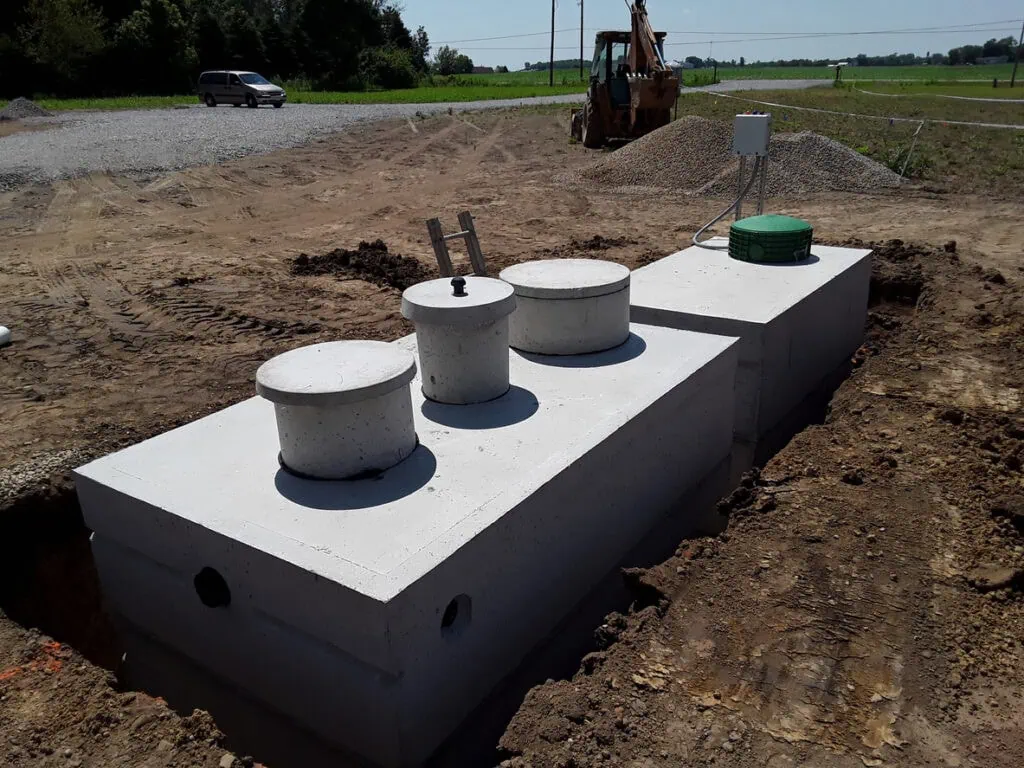
Overview of SES Septic Services

SES is a leading provider of septic services in Northern Virginia. With decades of experience, the company has established itself as a trusted partner for homeowners and businesses alike. The firm specializes in various aspects of septic system management, from installation to repair and maintenance, ensuring that clients receive comprehensive solutions tailored to their needs.

Comprehensive Septic System Solutions

Septic System Design and Installation

When it comes to laying the groundwork for a reliable septic system, SES offers a robust design and installation service. Their team of certified professionals ensures that each septic system is designed to meet local regulatory requirements while accommodating the specific demands of the property. SES ensures that every installation is carried out with precision, using high-quality materials that guarantee longevity and reliability.

Septic System Maintenance

Regular maintenance is crucial for the optimal functioning of septic systems. SES provides scheduled maintenance services that include detailed inspections and cleaning to prevent potential issues. Their approach to maintenance is thorough, aiming to extend the life of the system while ensuring it operates efficiently. SES’s team is equipped to handle various maintenance tasks, relieving property owners of the burden of managing these systems themselves.

Septic Repairs and Troubleshooting

In the event of a septic system failure or malfunction, SES offers expert repair services. Their technicians are skilled in diagnosing and fixing a wide range of issues, minimizing downtime and inconvenience for clients. By employing advanced techniques and tools, SES ensures that repairs are done right the first time, reducing the likelihood of future problems.

Why Choose SES for Your Septic Needs?

Expertise and Experience

With a history spanning several decades, SES has honed its expertise in the septic industry. Their team consists of highly trained professionals who bring a wealth of knowledge to every project. This experience positions SES as a leader in providing top-notch septic solutions in Northern Virginia.

Customer-Centric Approach

SES is committed to customer satisfaction. They work closely with clients to understand their unique needs and provide personalized solutions. This client-focused approach ensures that SES builds long-lasting relationships based on trust and reliability.

Comprehensive Service Offering

From initial installation to ongoing maintenance and urgent repairs, SES covers all aspects of septic management. This comprehensive service offering means clients can rely on a single provider for all their septic needs, simplifying the process and providing peace of mind.

How to Get Started with SES

Getting started with SES is straightforward. Interested parties can visit their official website to learn more about their services and reach out for consultations. Their responsive customer service team is ready to assist with any inquiries, making the process seamless from start to finish. Additionally, clients can explore detailed resources such as service area information to determine if their location is within SES’s operational scope in Northern Virginia.

Additional Resources

For those interested in more in-depth information about septic systems, the United States Environmental Protection Agency offers a wealth of information on septic system types, maintenance tips, and troubleshooting guidelines. Furthermore, the National Environmental Services Center provides educational materials and resources to help homeowners and professionals alike understand the intricacies of septic systems.

Overall, SES’s commitment to quality and customer satisfaction makes them the go-to provider for septic services in Northern Virginia. Their comprehensive service offerings and expert team ensure that clients receive reliable, efficient, and effective solutions for all their septic system needs.

Water damage is like the silent killer of homeownership. People always freak out about termites or foundation cracks, but honestly? A leaky pipe or a sneaky roof drip can wreck your whole vibe — and your wallet. Even a tiny puddle where it shouldn’t be, and boom, you’re looking at a headache like Water Damage Restoration Arizona that doesn’t quit. It’s not just about drying out the carpet, either. 

Way Water Damage Messes with Your Home’s Value – That’s the Real Kicker

Buyers and realtors have Spidey-senses for this stuff. You think you’ve covered it up, slapped on a little paint, but nope, they’ll sniff out that past water drama faster than you can say “open house.” Even if you fixed everything, just the hint of old water issues can chop 5% to 20% off your asking price, depending how gnarly it was or if mold’s lurking. That’s thousands of bucks, just evaporating.

Appraisers? Oh, they’re not letting anything slide. Any sketchy repairs or half-baked fixes, and suddenly your home’s “less desirable.” Lenders get twitchy too. Banks aren’t itching to throw money at a place with a soggy history, so your pool of buyers just shrunk.

How Water Just Finds the Weakest Link 

It sneaks in, starts rotting the wood, warping floors, messing up insulation — next thing you know, you’ve got mushrooms growing in your drywall. (Okay, maybe not mushrooms, but you get the idea.) Mold and mildew? That’s a whole different nightmare alongside Sewage Cleanup and Sanitation Arizona. Not only is it gross, it’s straight-up dangerous for your health. People walk into a house and catch a whiff of musty air, and suddenly they’re thinking about their kid’s asthma and bolting for the door.

When you think of Mold Remediation Arizona, honestly, it’s the home value boogeyman. Even after you fix the leak, if you don’t dry things out like a pro, mold will pop up behind the scenes. Cleaning it up? That can cost you an arm and a leg. And once a house is known for having mold, good luck shaking that rep — might as well try selling a haunted mansion.

There’s No Point in Hiding the Damage

Most places, you gotta spill the beans legally — all the soggy details and what you did to fix it. Yeah, being upfront is the right move, but it’s not exactly a selling point. Still, if you’ve got paperwork from pros, reports, warranties, all that jazz, it helps put buyers at ease. Sort of like showing your work in math class — nobody likes it, but it helps.

How to Keep Your Place from Turning into a Money Pit

For those that want to stay on top of maintenance, check your roof, gutters, pipes, you name it. See dampness? Move fast. The longer you wait, the bigger the mess. And please, don’t try to MacGyver a fix with duct tape and hope. Call someone who actually knows what they’re doing. Save all your repair receipts, take photos, keep a little water-damage diary if you have to. And if you’re really serious, invest in waterproofing — sump pump, foundation sealing, whatever gives you peace of mind.

Water damage isn’t just an ugly stain. Water Damage Restoration Arizona is a threat to your home’s bones, your bank account, and your sanity. Keep it under control and document like your life depends on it, and you’ll be way ahead when it’s time to sell, or just sleep at night without worrying about what’s growing in your walls.

Architecture is a long apprenticeship—part craft, part coordination, and part stewardship. The studios that consistently promote emerging designers into confident project leaders tend to share repeatable habits that turn day-to-day work into structured growth. Here are ten mentorship rituals that build skills, judgment, and presence—without relying on chance.

1) Weekly “Pin & Probe”

Once a week, junior designers pin up in-progress work for a focused 30-minute critique. The twist: mentors ask only probing questions—no redlining, no taking the pen. “What are your governing constraints?” “Where is the load path?” “Which two moves deliver 80% of the value?” The questions sharpen decision-making and help designers learn to defend and refine their own ideas.

2) Shadow–Switch Client Meetings

New designers first shadow client meetings to observe cadence, scope control, and how to navigate disagreement. On the second or third meeting, roles switch: the junior runs the agenda while a mentor observes silently and debriefs afterward. By “flying the plane” early—safely—designers internalize how to frame options, translate technical tradeoffs, and keep momentum.

3) Redline Fridays with Rationale

Redlines are a staple, but the learning happens in the why. Each Friday, mentors annotate a key sheet set and attach a two-minute voice note for each cluster of changes: “We align grids here to reduce rebar congestion,” or “This note prevents field RFIs.” The rationale bundle turns markups into portable lessons that stick.

4) Cross-Discipline Office Hours

Leadership requires language across structures, MEP, landscape, and cost. One hour a week, discipline leads hold open office hours where juniors bring one live issue: a shear wall boundary, diffuser placement vs. soffit, or plant palette under eave drip lines. Repetition builds a mental “Rolodex” of patterns and teaches how to ask the right question at the right time.

5) Budget & Schedule “Truth Sessions”

Designers can’t lead if budgets are mysterious. Monthly, a mentor walks a small group through a real project’s fee burn, contingency, and schedule float. Participants forecast the next milestone and propose tradeoffs to stay on track. Seeing the numbers demystifies constraints and trains future leads to protect scope without sacrificing intent.

6) Field Walks with a Punch-List Lens

Construction sites are the best classroom. Mentors structure field walks around a punch-list lens: “Find five things that would become change orders if missed.” Designers learn to scan for flashing terminations, anchor spacing, control joint alignment, and ADA pinch points. Back in the studio, they update details and notes to prevent the same issues upstream.

7) Micro-Leadership Rotations

Leadership is a muscle. Assign juniors rotating captain roles on small deliverables—coordination sprints, visualization packages, or permit resubmittals. The captain owns the checklist, schedule, and stakeholder comms, while a mentor provides guardrails. The scope is small enough to be safe, substantial enough to feel real.

8) “Two Options + One Recommendation”

Great project leaders narrow choices. For every major decision—façade articulation, structural scheme, unit mix—juniors present two viable options and one recommendation. The ritual builds comparative analysis skills, aligns teams faster, and teaches designers to synthesize data, risk, and client goals into a clear point of view.

9) Storycraft Workshops

Leaders persuade. Quarterly workshops focus on narrative: one page, three beats—Context, Tension, Resolution. Designers practice turning constraints into design drivers, showing how details ladder up to urban and human outcomes. The same structure strengthens community presentations, entitlement hearings, and interviews.

10) Mentoring the Next Person

The moment a designer becomes capable at a task, they teach it to someone newer: sheet setup conventions, naming standards, parametric families, or RFI logs. Teaching solidifies mastery and reinforces the studio’s culture of shared ownership. A simple rule—“document as you go and leave breadcrumbs”—keeps knowledge from bottlenecking.

How These Rituals Add Up

Together, these rituals move designers along three tracks at once:

  • Technical depth: Redlines with rationale, cross-discipline hours, and field walks build a durable base of know-how that survives software changes and novelty.
  • Operational fluency: Budget/schedule sessions and micro-leadership rotations cultivate planning, delegation, and risk management—the scaffolding of any successful project.
  • Communication & presence: Pin-ups, client meeting handoffs, and storycraft workshops sharpen narrative and negotiation skills so ideas land with clients, communities, and consultants.

The compounding effect is powerful. Designers start to anticipate collisions—between structure and glazing, budget and scope, entitlement and neighborhood context—before they happen. They learn to translate constraints into creativity, to run crisp meetings, and to make calls with humility and clarity.

Implementing the Rituals

Start small: adopt one or two practices and run them consistently for a quarter. Track simple metrics—RFIs avoided, change orders reduced, on-time submittals, or client satisfaction after meetings led by juniors. Pair each ritual with artifacts: voice-noted redlines in a shared library, meeting agendas and debrief templates, field-walk checklists, and a “decision log” format for Two Options + One Recommendation.

Above all, keep mentorship visible and time-boxed. Thirty minutes of focused repetition beats sporadic marathons. When new leaders emerge, invite them to refine the rituals—mentorship evolves with the studio, not apart from it.

In a city where design is scrutinized by clients, communities, and regulators alike, mentoring isn’t a perk—it’s infrastructure. Rituals like these build confident, accountable project leads who elevate teams and outcomes across the spectrum of LA architectural designers.

For real estate investors, DSCR loans (Debt Service Coverage Ratio loans) are one of the most flexible financing options available. They allow you to qualify based on the rental income of the property rather than your personal income. But the big question remains: “How do I qualify for a DSCR loan?” This guide breaks down the exact steps, requirements, and tips you need to successfully secure financing.

Step 1: Understand What a DSCR Loan Is

Before applying, it’s important to know how DSCR loans work. Instead of verifying your tax returns, W-2s, or pay stubs, lenders focus on whether the property generates enough income to cover its loan payments.

The formula is:

DSCR=Net Operating Income (NOI)Total Debt ServiceDSCR = \frac{\text{Net Operating Income (NOI)}}{\text{Total Debt Service}}DSCR=Total Debt ServiceNet Operating Income (NOI)​ 

  • NOI (Net Operating Income): Rental income minus expenses.
  • Debt Service: Mortgage payments (principal + interest).

Most lenders want a DSCR ratio of at least 1.25, meaning the property earns 25% more than its loan obligations.

Step 2: Meet the Credit Score Requirements

One common question is: “What credit score is needed for a DSCR loan?”

Most lenders require a minimum credit score of 620–680, though higher scores (700+) will unlock better rates and terms. Even though personal income isn’t verified, credit history is still used to measure risk.

Step 3: Save for the Down Payment

Another question investors ask: “How much down payment is required for a DSCR loan?”

The typical range is 20–25%, though some lenders may require more for riskier properties like short-term rentals. Having a larger down payment also improves your chances of approval and can lower your interest rate.

Step 4: Provide Rental Income Documentation

Since lenders rely on property performance, you’ll need to prove rental income potential. This usually means:

  • Existing leases (for properties already rented).
  • Market rent appraisals (if the property is vacant).
  • Rent rolls for multi-family properties.

Lenders want to ensure your rental income comfortably covers the mortgage.

Step 5: Calculate Your DSCR Ratio in Advance

If you’re wondering, “How do lenders calculate DSCR loans?”, it’s all about the DSCR ratio.

Example:

  • Rental income: $2,000 per month
  • Expenses (taxes, insurance, management): $500
  • NOI = $1,500
  • Monthly mortgage = $1,200

DSCR=1,5001,200=1.25DSCR = \frac{1,500}{1,200} = 1.25DSCR=1,2001,500​=1.25 

This ratio shows your property generates 25% more than the loan payment—a number lenders like to see.

Step 6: Maintain Strong Property Management

Good property management can improve your rental income, reduce vacancies, and boost NOI. Lenders consider this when reviewing your application, especially for short-term rental properties like Airbnb.

Step 7: Prepare Additional Requirements

Even though DSCR loans don’t require tax returns or pay stubs, lenders may still ask for:

  • Valid ID and credit report
  • Proof of reserves (cash savings for emergencies)
  • Property appraisal

Being prepared speeds up the approval process.

Do DSCR Loans Require Income Verification?

A common concern is: “Do DSCR loans require income verification?”

The answer: No personal income verification is required. Unlike traditional mortgages, DSCR loans are based entirely on property cash flow, not your personal W-2s or tax documents.

Tips to Improve Your Chances of Approval

  1. Aim for a higher DSCR ratio – Target 1.25 or above.
  2. Choose strong rental markets – Properties in high-demand areas perform better.
  3. Improve credit score – Pay down debts and fix errors on your report.
  4. Have reserves – Show you can handle unexpected vacancies or repairs.
  5. Shop lenders – Each lender has different DSCR loan requirements.

Common Mistakes to Avoid

  • Overestimating rental income.
  • Ignoring expenses like insurance or maintenance.
  • Applying with a DSCR ratio too close to 1.0.
  • Not having enough cash for the down payment.

Conclusion

Qualifying for a DSCR loan doesn’t have to be complicated. By focusing on your property’s cash flow, maintaining a healthy DSCR ratio, and preparing the right documents, you can secure financing even without personal income verification. For real estate investors, DSCR loans provide the flexibility needed to build and scale portfolios successfully.

Ask designers across the Bay Area which builders protect design intent most reliably and Granada Construction’s name surfaces often. Project Cormorant in Pebble Beach is the latest venue for that reputation, pairing demanding details with a schedule that respects the client’s time and attention.

A Builder’s Builder

Trade partners like working with Granada because drawings are clean, scopes are clear, and site leadership is decisive. That culture compounds quality over the life of a project.

Procurement & Trades

Vendor selections weight reliability and after‑sale support alongside price. Long‑lead packages are released early to de‑risk the path to finishes.

Kitchen Excellence

Enter the kitchen and you’ll find the fingerprints of a team that understands both cooking and entertaining—task zones, scullery support, and materials that shrug off use.

Remodel Intelligence

Because the firm regularly undertakes complex remodels, it knows how to phase work delicately and solve for existing conditions without drama.

For more about the team and upcoming work at Pebble Beach, custom home builder to Granada Construction.

Client Advocacy

Budgets and options are discussed openly. When changes are requested, impacts are quantified fast so owners can decide confidently.

Quality Assurance

Mockups, protection plans, and methodical commissioning mean defects are rare and short‑lived. The goal is a home that performs as beautifully as it photographs.

Legacy & Value

Cormorant is designed to age well—materials and systems selected for serviceability and quiet confidence rather than trend-chasing flash.

In short, Project Cormorant shows why Granada Construction is trusted from Los Gatos through the wider Bay Area: considered design, meticulous execution, and a client experience that feels refreshingly calm. It’s luxury that stands up to daily life—and looks better for it.

Furniture trends often reflect lifestyle changes, and one of the clearest examples is the rising popularity of compressed sofas among younger generations. Unlike traditional bulky couches, compressed sofas are designed to be space-efficient, versatile, and easy to move—all qualities that align with how millennials and Gen Z live today.

So, what makes compressed sofas especially appealing to younger buyers? Let’s take a closer look.

1. Space-Saving for Urban Living

Younger generations are more likely to live in apartments, condos, or shared housing where space is limited. A traditional sectional sofa can dominate a small living room, but a compressed sofa adapts easily:

  • It takes up less floor space.
  • Some models fold or collapse when not in use.
  • Modular units can be reconfigured to fit tight layouts.

For renters in big cities like New York, London, or Tokyo, a sofa that saves space without sacrificing comfort is a clear win.

2. Flexibility and Multi-Use Design

Younger people often favor furniture that can do more than one job. A compressed or modular sofa can transform from a loveseat into a sectional, or even into a guest bed with the right configuration.

Many brands now offer:

  • Ottomans with hidden storage (ideal for small apartments).
  • Rearrangeable modules that adapt for movie nights, work-from-home setups, or parties.
  • Lightweight designs that can be re-stacked or stored away.

This flexibility matches the fast-changing lifestyles of younger generations, who may host friends one weekend and need a minimalist space the next.

3. Portability for a Mobile Lifestyle

Unlike older generations who often settled into one home for decades, younger people move more frequently—whether for school, jobs, or travel opportunities.

Compressed sofas are:

  • Easier to carry piece by piece (instead of hauling one huge couch).
  • Simple to assemble/disassemble without professional help.
  • Compact enough to fit through tight doorways or elevators.

This makes them a practical choice for renters, digital nomads, or anyone who expects multiple relocations.

4. Modern Aesthetic Appeal

Compressed sofas aren’t just practical—they look good. Younger buyers often lean toward minimalist, contemporary styles that fit well with Instagram-worthy interiors.

Popular options include:

  • Neutral tones (gray, beige, black) for versatile styling.
  • Sleek lines that work with both modern and Scandinavian-inspired spaces.
  • Fabric covers in trendy materials like linen, velvet, or performance fabric.

They also fit the “less is more” aesthetic many Gen Z and millennial homeowners embrace.

5. Value and Long-Term Savings

While compressed sofas can cost more upfront, they’re ultimately cost-effective. Instead of replacing a whole couch when needs change, younger buyers can:

  • Add or remove modules.
  • Swap covers for a fresh look.
  • Reconfigure the sofa to suit a new apartment layout.

For generations balancing student loans, housing costs, and inflation, furniture that adapts over time offers better value than a one-size-fits-all sofa.

6. Alignment with Sustainable Values

Sustainability is a strong priority for younger consumers. Many compressed sofas use durable frames, replaceable covers, and recyclable materials, extending product lifespan and reducing waste.

Instead of discarding a worn-out couch, you can refresh a compressed sofa with new cushions, fabric covers, or added sections. This reduce-and-reuse approach aligns with eco-conscious values.

Conclusion: A Sofa for the Next Generation

Compressed sofas fit perfectly with the lifestyle of younger generations: they save space, adapt to changing needs, move easily from place to place, and deliver modern style without waste.

For millennials and Gen Z, furniture isn’t just about sitting—it’s about flexibility, value, and sustainability. And that’s why compressed sofas aren’t just a trend—they’re fast becoming a staple for the homes of the future.

Long lasting resin flooring is prized for its durability, seamless finish and attractive appearance. Whether installed in a commercial, industrial or residential setting, resin floors can maintain their fresh, polished look for many years — but only if properly cared for. Regular maintenance is essential to prevent wear, staining and damage. In this article, we share practical tips to help you keep your epoxy resin floors looking brand new and extend their lifespan.

1. Regular Cleaning Is Key

The foundation of good resin floor maintenance is routine cleaning. Dust, dirt and grit can act like abrasives and wear down the surface over time if left unattended.

  • Sweep or Vacuum Daily: Use a soft broom or vacuum cleaner to remove loose debris and dust particles.

  • Mop Weekly: Use a damp mop with a mild detergent or pH neutral cleaner designed for resin floors. Avoid harsh chemicals or acidic cleaners which can damage the resin.

  • Spot Clean Spills Immediately: Wipe up spills such as oil, chemicals or food stains promptly to prevent staining or surface damage.

2. Use the Right Cleaning Products

Choosing appropriate cleaning products is crucial for preserving resin flooring.

  • Opt for cleaners specifically formulated for resin or epoxy floors.

  • Avoid bleach, ammonia or acidic substances that can degrade the resin.

  • For stubborn stains, use gentle scrubbing with a soft brush and resin-safe cleaning agents.

3. Protect High Traffic Areas

Areas with heavy footfall or frequent machinery movement are more prone to wear. Protect these zones by:

  • Applying protective mats or rugs at entrances and high use areas.

  • Using furniture pads to prevent scratches caused by chairs or equipment.

  • Scheduling periodic inspections and touch-ups to address early signs of wear.

4. Avoid Abrasive Tools and Methods

While resin floors are tough, abrasive tools like steel wool or harsh scrubbing pads can scratch and dull the finish.

  • Always use soft brushes, microfiber cloths or non-abrasive pads when cleaning.

  • For large commercial floors, consider professional cleaning equipment designed for resin surfaces.

5. Repair Minor Damage Quickly

Small chips, cracks or scratches can worsen if left unattended. Prompt repair helps maintain both the appearance and durability of your resin floor.

  • For minor surface damage, use resin repair kits available from flooring suppliers.

  • For extensive damage, consult a professional flooring contractor to restore the floor properly.

6. Avoid Excessive Water and Moisture

Although resin floors are water resistant, excessive moisture or standing water can lead to problems such as slipping hazards or, in rare cases, damage to the subfloor.

  • Ensure good drainage and ventilation in the area.

  • Wipe up puddles or excess water quickly, especially near entrances or outdoor access points.

7. Regular Professional Maintenance

For larger or commercial resin floors, periodic professional maintenance can extend the floor’s life and keep it looking pristine.

  • Professionals can perform deep cleaning, polishing and resealing treatments.

  • They can also identify and fix potential issues before they become major problems.

Final Thoughts

Resin flooring is an excellent investment due to its durability and sleek look, but it requires proper care to maintain its best appearance. By following these maintenance tips — regular cleaning, using appropriate products, protecting high traffic zones and addressing damage promptly — you can enjoy the benefits of a beautiful, long-lasting resin floor.

If you need advice tailored to your specific resin flooring type or environment, consult your flooring installer or manufacturer for recommended maintenance products and schedules.