Category

Interior Design

Category

Interior decorations are constantly changing, and today’s residential conditions are striving to use materials for both function and modern appeal. Laminates remain one of the top trending types of surface materials used because they are incredibly functional as well as one of the most economical products available,e instead of other traditional building materials, which can limit creativity. Trends in 2026 are defining how laminate design can affect the interior design of contemporary Indian homes.

Today, designers are changing the way kitchens and living rooms look and feel about modern-day minimalism. Rather than using cold and hard finishes, they are utilising finishes that are either a matte finish (non-reflective) or soft textural finishes to create a sense of calmness and integration of the spaces that will work perfectly when paired with neutral colour schemes.

Design Tip: Soft grey matte finished laminates, dull neutral white mattes and soft beige mattes would be great choices for today’s contemporary design because they will not show fingerprints or reflect glare.

Natural Material Influence

The design trend of 2026 is natural materials: The trend includes both printed and laminated finishes that imitate the look of real wood, such as oak, elm, walnut and driftwood. The growing popularity of laminates is due to the addition of the functionality of laminate vs real wood, and because laminate will continue to help add elements of nature into more warm living spaces without any additional maintenance of real wood.

The design trend of 2026 will be more focused on being authentic; therefore, using printed and laminated finishes will resemble the actual grain pattern of the material to be used in as many ways possible (i.e. using print and laminate will look organic and slightly uneven vs print is repetitive and will look extremely polished when viewed up close).

Accent Applications & Character Elements

The prime use of laminate finishes has been primarily on main surfaces; The use of laminate to create accent walls, partitions, etc., has become a new trend for 2026. Deep teal cabinetry can create an accent point for a kitchen island; while the media unit can also use a laminate forest green finishing, along with the open shelving being burnt sienna to edge against the other and provide an overall complementary look when using neutral backgrounds, all of which will provide character and some contemporary flair in an overall space.

Geometric & Abstract Laminated Surfaces

The Increase In Popularity Of Using Geometric/Abstract Laminated Surfaces In Some Interior Space Types

The use of patterned geometric and abstract laminate surfaces has been on the increase for the design of living rooms, bedrooms, and feature walls. Incorporating these patterns will add visual interest to the surface material and create additional richness of artistic dimension within the room without needing the complicated effort to obtain an original look with materials such as wallpaper or tile.

Most Commonly Used Geometric/Abstract Designs Include: Layered Shapes w/Soft Curves, Intersected Lines, and Using Muted Tones to Achieve A Balanced Environment.

Two-Tone & Gloss Trends

Current Trend In Popularity For Laminated Two-Tone Combinations

The combination of using two-tone laminate combinations for kitchen cabinetry will continue for 2021, combining contrasting laminate combinations, along with layered cabinetry designs,will produce additional dimensions throughout cabinetry within kitchens & closets. Therefore, re giving an impression of custom design architectural consideration.

The Sophisticated Appearance of Glossy Laminates

Glossy laminate finishes will make their way back into modern Indian kitchens and entertaining areas. The glossy laminated finish provides a high level of light reflection/expansion in a visually restricted space and a contemporary elegance from a glossy surface finish.

Best Uses For High Gloss Laminates: Use Of High Gloss Laminates In An Area Of Moderate Use Provides A Counterbalancing Effect Between Laminate Elements When Paired With Matte Floor Or Backsplash Surfaces.

Stone, Innovation & Sustainability

Due to the influence of urban loft-style residential living on Indian residences, the use of laminate options replicating the finish or use of stone, concrete, and terrazzo gives a modern industrial look to homes without having the expense of building and ongoing maintenance. When combined with other metal fixtures or open shelving materials, as well as lamination, provides for a cohesive design.

New Applications

Backlit laminate panels used for foyer and feature walls in kitchens provide new applications of laminate use. Backlighting allows texture and or colour depth to be increased and provides the opportunity to display a high-end appearance for contemporary style apartments and for duplexes.

Eco-Friendly & Sustainable Laminates

More and more environmentally conscious Indian Homeowners are looking for laminate products with lower emission certifications, recycled cores, and eco-friendly adhesives to provide a better indoor environment and as part of the home’s environmentally sustainable design principles.

Texture Experiments Through Use Of 3D Laminated Designs

The use of laminated designs in three-dimensions (3D) has been one of the modern trends that is significantly influencing the depth and tactile experience for accent walls, headboards and reception areas. The three-dimensional textured surface provides a sculptural design without the associated high cost of material.

If you are looking for collections of trend-based laminated designs, combining form and function in a cohesive way, take the time to browse through Royale Touche’s collections of Fine Laminate Products available in the marketplace, and identify your desired residential design vision.

Choosing an interior designer Chester and style is one of the most important decisions when designing or renovating your home. Two of the most popular approaches are modern and classic design. While both can create beautiful spaces, they differ significantly in mood, materials and detailing.

If you are unsure which direction suits your home and lifestyle, this guide explains the key differences between modern and classic interior styles.

What Is Modern Interior Design?

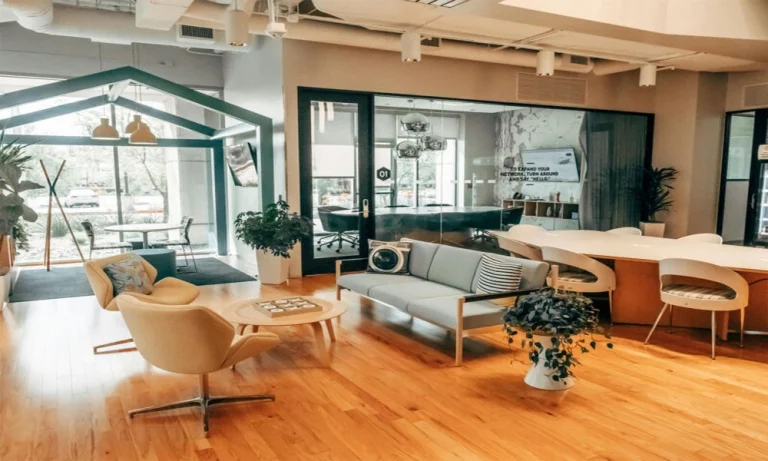
Modern interiors focus on simplicity, clean lines and functional living. The style evolved in the early to mid twentieth century and continues to influence contemporary homes today.

Key Features of Modern Style

  • Clean, straight lines
  • Neutral colour palettes
  • Minimal decorative detail
  • Open plan layouts
  • Functional furniture
  • Natural materials such as wood, glass and metal

Modern spaces often prioritise light and openness. Rooms feel uncluttered and calm, with carefully chosen furniture pieces rather than numerous decorative items.

Lighting tends to be architectural or statement based, and storage is often concealed to maintain a streamlined appearance.

What Is Classic Interior Design?

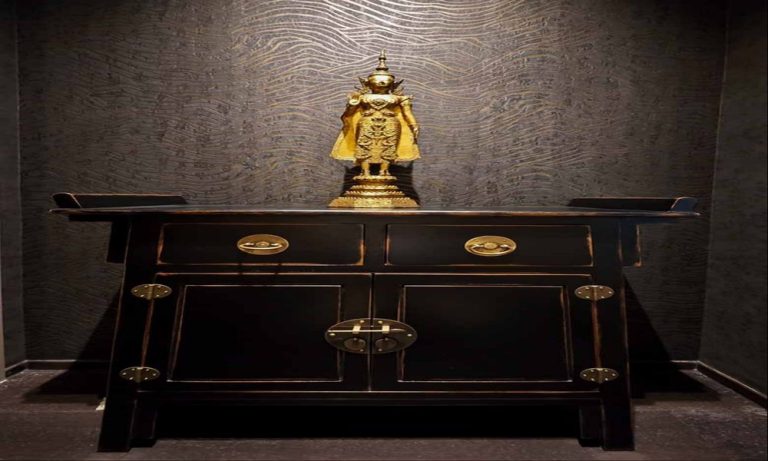
Classic, or traditional, interiors draw inspiration from historical European design. They are known for elegance, symmetry and refined detailing.

Key Features of Classic Style

  • Ornate mouldings and cornices
  • Rich colour schemes
  • Decorative furniture with curved lines
  • Layered textiles and patterns
    Statement lighting such as chandeliers
  • Symmetry and balanced layouts

Classic interiors often feel warm and established. They embrace craftsmanship and detail, from carved wood furniture to decorative plasterwork.

Colour Palettes: Minimal vs Layered

Modern interiors typically favour:

  • Whites
  • Soft greys
  • Muted earth tones
  • Occasional bold accent colours

Classic interiors often use:

  • Deep blues
  • Forest greens
  • Warm creams
  • Burgundy or gold accents

Where modern design keeps the palette restrained, classic interiors embrace depth and layering.

Furniture and Materials

In modern homes, furniture tends to have:

  • Straight edges
  • Sleek silhouettes
  • Metal or simple wooden legs
  • Minimal ornamentation

In classic spaces, you will often find:

  • Tufted sofas
  • Curved armchairs
  • Dark polished woods
  • Decorative carvings

Materials in classic interiors may include marble, brass, velvet and detailed joinery, while modern interiors favour natural wood, glass and brushed metal finishes.

Space and Layout

Modern design embraces open plan living. Spaces flow into one another, often with fewer internal walls.

Classic design typically works well in properties with defined rooms, particularly period homes with architectural features such as ceiling roses, fireplaces and traditional sash windows.

The style you choose should complement the architecture of your property.

Which Style Suits You?

The right choice depends on your lifestyle and personal taste.

You may prefer modern interiors if you:

  • Enjoy minimalism
  • Like uncluttered, practical spaces
  • Favour subtle colour palettes
  • Appreciate contemporary architecture

You may prefer classic interiors if you:

  • Love heritage and tradition
  • Enjoy decorative details
  • Prefer warm, layered rooms
  • Live in a period property

It is also worth noting that many homes successfully blend both styles. A modern base with classic accents, or a traditional room styled with contemporary furniture, can create a balanced and timeless look.

Can You Combine Modern and Classic?

Yes, and many designers do.

For example:

  • Pairing a traditional fireplace with modern furniture
  • Using neutral walls with classic mouldings
  • Incorporating antique pieces into a clean, modern space
  • Mixing contemporary lighting with traditional architecture

This approach is often described as transitional design. It allows you to enjoy the best of both worlds without committing entirely to one aesthetic.

Final Thoughts

Modern and classic interior styles each offer distinct advantages. Modern design delivers simplicity and functionality, while classic interiors provide elegance and timeless detail.

The key is understanding how each style aligns with your property and how you want your home to feel. Whether you choose sleek minimalism, refined tradition or a blend of both, thoughtful design ensures your space reflects your personality and supports the way you live.

When planning a renovation or redesign, many homeowners ask the same question: is hiring a professional interior designer Chester really worth it?

While it may seem like an additional cost at first, working with a professional interior designer can significantly increase both the financial and lifestyle value of your home. From smarter layouts to higher quality finishes, thoughtful design influences how a property looks, feels and ultimately performs on the market.

Here is how hiring an interior designer adds real value.

1. Maximising Space and Layout

One of the biggest advantages of hiring a designer is space planning.

A well designed layout can:

  • Improve flow between rooms
  • Increase usable storage
  • Enhance natural light
  • Make smaller spaces feel larger

Designers look beyond furniture placement. They consider scale, proportion and functionality to ensure every square metre works effectively. In compact UK homes, this expertise can transform awkward or underused areas into practical, attractive spaces.

2. Avoiding Costly Mistakes

Renovation mistakes can be expensive. Choosing the wrong materials, ordering incorrectly sized furniture or installing poor lighting layouts can quickly add unnecessary costs.

An experienced interior designer helps you:

  • Select appropriate finishes
  • Plan electrical and lighting positions
  • Choose furniture that fits correctly
  • Avoid trends that date quickly

Investing in professional advice often prevents costly redesigns later.

3. Access to Trade Suppliers and Quality Materials

Interior designers often have access to trade only suppliers, bespoke furniture makers and specialist materials not readily available on the high street.

This means:

  • Higher quality finishes
  • Unique design elements
  • Better durability
  • A more distinctive result

Quality materials not only enhance appearance but also improve longevity, which adds long term value to your home.

4. Increasing Property Appeal

If you are planning to sell in the future, professionally designed interiors can significantly enhance buyer perception.

Well designed homes:

  • Photograph better for marketing
  • Feel more spacious and cohesive
  • Attract higher offers
  • Sell faster

Buyers respond emotionally to spaces that feel considered and complete. A professionally designed interior often stands out in a competitive property market.

5. Creating a Cohesive Design Scheme

Without guidance, it is easy to mix styles, colours and finishes that do not quite work together.

An interior designer ensures:

  • Consistent colour palettes
  • Balanced materials and textures
  • Coordinated furniture choices
  • Harmonious lighting schemes

This cohesion gives your home a polished, professionally finished appearance.

6. Enhancing Everyday Living

Value is not only financial. It is also about how your home supports your lifestyle.

A designer will consider:

  • How you use each room
  • Storage needs
  • Entertaining space
  • Family requirements
  • Work from home functionality

The result is a home that feels comfortable, efficient and tailored specifically to you.

7. Project Management and Stress Reduction

Renovation projects can be overwhelming. Designers often coordinate contractors, oversee installations and ensure timelines are met.

Having professional oversight helps:

  • Reduce stress
  • Keep the project on schedule
  • Maintain quality control
  • Prevent miscommunication between trades

This structured approach protects both your investment and your peace of mind.

8. Long Term Investment in Your Property

High quality design can increase the overall desirability of your property. Thoughtful improvements to kitchens, bathrooms, lighting and layout often deliver strong returns.

Even if you are not planning to sell immediately, living in a well designed home enhances comfort and enjoyment every day.

Final Thoughts

Hiring an interior designer is not simply about aesthetics. It is about strategy, functionality and long term value.

From avoiding expensive mistakes to creating cohesive, high quality spaces, professional design brings clarity and expertise to your project. Whether you are renovating a single room or transforming an entire property, working with an experienced interior designer can add measurable value to your home, both financially and personally.

Lighting shapes how a space feels. It influences mood, supports daily activity, and defines the character of a home. In modern interiors, a good lighting plan is just as important as furniture or colour choices.

A layered approach works best: ambient light for overall brightness, task lighting for specific activities, and accent lighting for visual interest. This guide walks through practical ideas room by room, using home decor lights, false ceiling lights, and pendant lights to achieve both function and style.

Living Room Lighting Ideas for a Welcoming Space

  • Layered Lighting with False Ceiling Lights

Recessed false ceiling lights provide even ambient light without visual clutter. Spacing them evenly across the ceiling ensures consistent brightness. Cove lighting along the edges adds depth and a warm, diffused glow. Together, these layers let you shift the mood from bright and active to soft and relaxed.

  • Using Pendant Lights as Statement Pieces

A single large pendant or a cluster of pendant lights above the centre table draws attention naturally. Cluster arrangements with varying drop heights look modern and layered, especially in rooms with higher ceilings.

  • Accent with Home Decor Lights

Wall-mounted home decor lights beside artwork highlight focal points and add warmth. Decorative floor or table lamps placed in corners keep the space from feeling flat or one-dimensional.

Bedroom Lighting Ideas for Comfort and Relaxation

  • Soft Ambient Lighting with False Ceiling Lights

Warm-toned false ceiling lights suit bedrooms well. A subtle perimeter lighting setup along the false ceiling edge creates a gentle glow without harsh overhead brightness.

  • Bedside Pendant Lights for a Modern Touch

Hanging pendant lights on either side of the bed is a space-saving alternative to table lamps. They create a symmetrical, clean look and keep nightstands clear. This approach works especially well in minimalist bedroom designs.

  • Decorative Home Decor Lights for Mood

Soft wall lights placed low on the walls add calm without intruding. Keep the overall scheme minimal. In a bedroom, restraint in lighting almost always produces a better result.

Kitchen Lighting Ideas for Function and Style

  • Bright Task Lighting for Work Areas

Under-cabinet lights shine directly onto countertops, making food preparation safer and more comfortable. They reduce shadows in areas where precision matters most.

  • False Ceiling Lights for Uniform Illumination

Evenly spaced false ceiling lights eliminate shadows across the kitchen floor and surfaces. Neutral white tones work best here, supporting clarity and accurate colour perception while cooking.

  • Pendant Lights Above Island Counters

Slim pendant lights above a kitchen island serve two purposes. They provide focused lighting for seated tasks or meals and add visual interest to the space. Two or three pendants in a row over a long counter create a clean, intentional look.

Dining Room Lighting That Creates Ambience

  • Statement Pendant Lights Above the Table

Linear pendant lights suit rectangular dining tables well. For round tables, a single cluster pendant centred above works effectively. Hanging the fixture around 70 to 80 cm above the table is a reliable guide for comfort and visual impact.

  • Supporting False Ceiling Lights for Balance

Perimeter false ceiling lights or cove lighting soften the dining room atmosphere. They prevent the centre pendant from creating harsh contrast and help the overall space feel cohesive and warm.

Study Room and Home Office Lighting for Productivity

  • Task Lighting Essentials

An adjustable desk lamp lets you direct light exactly where needed. Glare-free lighting is especially important in workspaces since prolonged screen use combined with poor light leads to eye fatigue.

  • False Ceiling Lights for Even Brightness

Neutral white false ceiling lights reduce contrast between a bright screen and a darker room. Consistent background brightness makes extended work sessions more comfortable.

  • Minimal Home Decor Lights for Personality

A subtle wall accent or single decorative fixture adds character without creating visual clutter. Keep the design clean and distraction-free to support focus.

Bathroom Lighting for Clarity and Comfort

  • Mirror Lighting for Grooming

Lighting placed on both sides of the mirror eliminates unflattering shadows on the face. This setup is more practical than overhead-only lighting and suits modern bathroom design well.

  • Moisture-Safe False Ceiling Lights

Bathrooms require fixtures rated for damp environments. Evenly placed false ceiling lights in a neutral white tone keep the space bright and functional throughout daily routines.

  • Soft Decorative Home Decor Lights for a Spa Feel

A warm-toned wall light near the bathtub or in a corner adds a relaxing layer. This simple addition transforms a purely functional space into something that feels genuinely restful.

Entryway and Hallway Lighting for First Impressions

  • Pendant Lights in Double-Height Spaces

A statement pendant in a double-height entryway creates an immediate focal point. It draws the eye upward and sets a welcoming tone from the first step inside.

  • False Ceiling Lights for Even Coverage

Recessed false ceiling lights eliminate dark corners in hallways and entryways. Consistent lighting makes these spaces feel safe and easy to navigate, especially at night.

  • Home Decor Lights for Added Warmth

Wall-mounted home decor lights near a mirror or console table add warmth to the entryway and ease the transition from outdoors to inside.

Conclusion: Bringing Balance to Modern Home Interiors

Lighting is one of the most powerful and most underestimated tools in home design. A thoughtful combination of false ceiling lights for ambient coverage, pendant lights for visual focus, and home decor lights for warmth can make any interior feel complete. A room-by-room approach ensures every space gets what it actually needs. When lighting is done well, it becomes something you feel rather than simply notice.

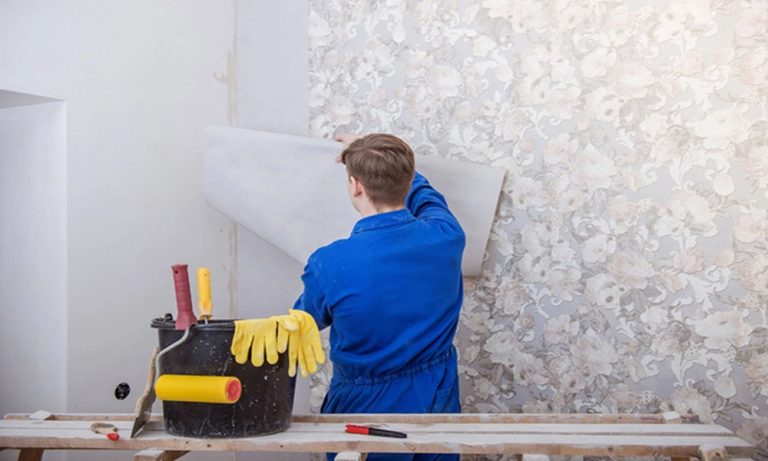
Wallpapers of different colors and textures transform a space. It is easy to choose the pattern and style for your wallpaper. But, should you install it on your own or hire professional installers? Some people prefer DIY wallpaper installation to save money. However, as this project needs precision and patience, it is better to rely on experts. Let us compare DIY versus professional installation of wallpaper.

Is DIY wallpapering advantageous?

Installing wallpaper with your DIY efforts provides a number of advantages.

Save costs

As you manage the wallpapering project on your own, you will save on labor costs. Many budget-conscious homeowners prefer the DIY option when installing the wallpaper.

Have a sense of accomplishment-

Once you have successfully installed the wallpaper, you will have a positive feeling. It makes you feel that you have put your own efforts into improving your room’s aesthetics.

Ensure higher flexibility

For a DIY wallpapering project, you may work on your convenient schedule. You will have better control over the home decoration project.

Why do DIY wallpaper installers face challenges?

Skills and precision are essential to installing wallpaper. From cutting to aligning wallpaper patterns, every step needs a level of expertise. Inexperienced installers may make mistakes when installing the wallpaper. Moreover, they do not have special tools, such as, rollers and smoothing brushes.

How does professional wallpaper installation benefit you?

There are several reasons to hire expert installers to install wallpaper.

Certified installers have undergone training on how to manage various types of wallpapers, including simple and intricate designs. Their expertise allows them to make precise measurements and ensure a flawless finish.

The best professionals will accomplish the wallpapering project efficiently and quickly. They will not disrupt your daily activities in the house.

The experts know how to deal with tricky areas like edges and corners. They stick the wallpaper to the surface properly to provide an immaculate look.

Conclusion

Although professionals charge a certain amount for wallpapering services, they provide excellent results. You have to make a decision based on the size and complexity of the project.

Oak Hill Building, a leader in the home remodeling industry, has established itself as a beacon for homeowners looking to transform their spaces, whether it’s a kitchen overhaul or a complete custom home build. From the first consultation to the final reveal, their comprehensive approach brings clarity and creativity to each project. Here’s an inside look at how Oak Hill Building brings big remodeling visions to life.

A Tradition of Excellence

With a rich history rooted in craftsmanship and innovation, Oak Hill Building has become synonymous with quality and reliability. Their team leverages a breadth of experience and expertise to turn ordinary spaces into extraordinary living areas, tailored to the unique needs and desires of each client. The foundation of their excellence lies in their detail-oriented process and an unwavering commitment to client satisfaction.

The Oak Hill Process: From Dream to Reality

1. Initial Consultation

The initial consultation is a crucial step in the remodeling journey. At Oak Hill Building, this consultation is about understanding the client’s vision and goals. By listening to the client’s needs and considering their lifestyle, the Oak Hill team begins to craft a preliminary plan that outlines the scope and direction of the project. Through a collaborative approach, they ensure every client feels heard and valued, laying the groundwork for a successful renovation.

2. Design and Planning

Design is where creativity and practicality meet. The Oak Hill Building design team works meticulously to create functional and aesthetically pleasing designs tailored to each client. Utilizing advanced technology and software, they offer 3D renderings and detailed plans that help clients visualize their future spaces. This phase is also where important decisions regarding materials, finishes, and timelines are made.

3. Construction and Management

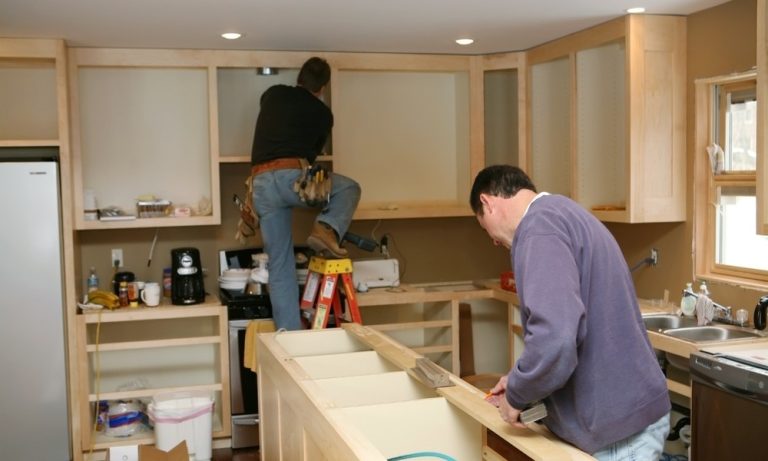
When it comes time to break ground, Oak Hill’s project managers and skilled craftsmen take center stage. Known for their attention to detail and masterful execution, Oak Hill’s team ensures that every aspect of construction is handled with precision. They prioritize communication with clients, providing updates and ensuring transparency at every stage. By overseeing each project meticulously, they maintain quality standards and ensure timelines are met without sacrificing the caliber of work.

4. Finishing Touches

The final stages of a remodel are where Oak Hill Building’s distinctive touch becomes most apparent. From custom cabinetry in the kitchen to intricate tiling in the bathroom, every detail is crafted to enhance functionality and style. Their dedication to superior workmanship and premium materials ensures that every project culminates in a space that exceeds expectations.

Oak Hill’s Portfolio: Transforming Spaces

A visit to Oak Hill Building’s portfolio showcases the stunning transformations they’ve achieved over the years. From modern kitchens that blend style with practicality to custom whole-home renovations that offer enhanced livability, each project tells a story of satisfaction and success. Browse their portfolio for a glimpse into their past projects and witness how they have turned their clients’ visions into a tangible reality.

Why Choose Oak Hill Building?

Choosing Oak Hill Building for your remodeling project means opting for a partner who understands the emotional and financial investments involved in home renovations. Clients seeking peace of mind and exceptional results choose Oak Hill for their transparent approach, commitment to quality, and track record of delivering beyond expectations. Their personalized service and renowned expertise make them an ideal choice for homeowners looking to make impactful changes to their living spaces.

Embarking on Your Remodeling Journey

Your dream home is within reach with Oak Hill Building. Their dedicated team is ready to transform your vision into a beautifully crafted reality, whether it’s updating a kitchen or embarking on a full home remodel. To learn more about how they can bring your remodeling visions to life, visit their contact page and start your journey today with Oak Hill Building.

Hiring interior designers is an excellent option if you want to renovate or design your home. The primary goal of interior designers is to make your space look appealing and sound in both functional and aesthetically pleasing ways. These decorators understand how to make a property appear excellent while meeting the expectations of their customers. Everybody has their personality, which is reflected in their home’s interior design, and interior designers assist them in making the home aesthetically pleasing and inviting for your guests.

Assume you want to do your housework as soon as possible. In that scenario, you must enlist the assistance of specialists. Interior designers are pretty important when it comes to changing the appearance of your home and making it look visually attractive. Hiring professional experts can provide you with a lot of benefits. They can save you money and provide you with professional assessments. They can also assist you with calibration and have a wide availability of resources. Not only are their workers reliable, but they can add many supreme elements to make your place look beautiful. They have a lot of knowledge and expertise to give you what you expect. They also provide a stress-free interior decorating approach. There are several reasons why you should engage an interior designer; it saves you time, allows you to save money, ensures professionalism in your job, and allows you to touch many people. One of the best interior design firms is a few things you should ask yourself before choosing an interior designer, such as the timetable for your job, your budget, and what you need in your home.

Interior designers understand how to plan and budget effectively. Depending on your budget, they can make the expenditure more orderly. They also know what resources may be used to make your home seem beautiful, saving you money. Hiring an interior designer allows you to manage the entire project and comprehend the completed result better than the owner. When the design is finished, the result may be similar to or surpass the owner’s expectations. Hiring designers is a beautiful alternative if you want to renovate or design your house. Interior designers’ primary purpose is to make your area appear appealing and sound in functional and visually pleasing ways. These decorators understand how to make a place seem great while satisfying the needs of their clients.

Everyone has a distinct personality, which is reflected in the interior design of their house. Interior designers help clients make their homes more aesthetically appealing and comfortable—hiring an internal design agency like Oregon interior design company offers various advantages. They provide excellent service, which you can see by visiting their website.

Final words

Many designers have an extensive network of contacts, including electricians, plumbers, and construction professionals. They can give you highly trustworthy work because you won’t have to hunt for individual electricians and contractors. After all, they have an entire team to construct your dream house.