Archive

July 2025

Browsing

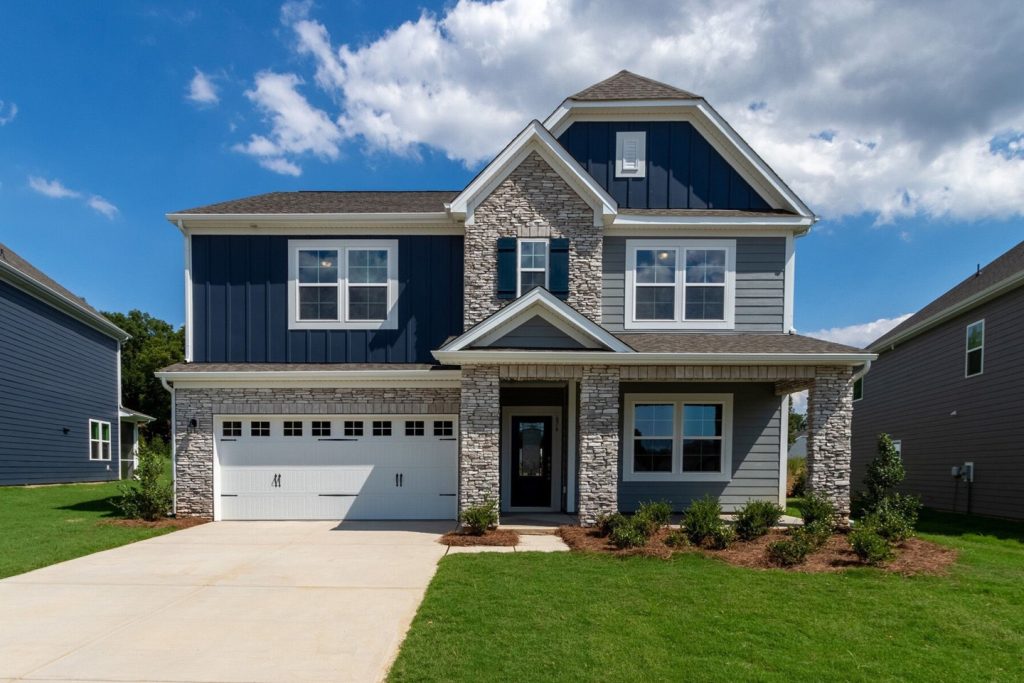
Charlotte’s housing market is experiencing a significant boom, creating a competitive environment for buyers. As “The Queen City” continues to attract new residents daily, the demand for homes consistently outpaces the available supply.

In 2025, the average home price in Charlotte reached $422,000. While the number of houses for sale has increased by 34.98% since last year, homes are now taking slightly longer to sell, averaging 40 days compared to 36 days previously.

Why Do Charlotte Houses Cost More Money?

Charlotte’s rapid growth is the primary reason behind rising home prices. The city has become a major corporate hub, housing the headquarters of financial giants such as Bank of America and Wells Fargo. This robust economic landscape attracts families from across the nation. By the end of 2024, Charlotte’s population surpassed 920,000 people.

Demand Outpaces Supply in Charlotte

Despite an increase in housing inventory, the demand for homes in Charlotte remains exceptionally strong. Many buyers from out-of-state are actively seeking real estate opportunities in the city.

Charlotte has become a popular destination for individuals relocating from states like Florida and New York. They often find they can purchase larger homes for less money than in their previous cities. They also enjoy the mild weather and a comparatively lower cost of living.

How Does This Affect All of North Carolina?

Houzeo’s analysis of the Charlotte housing market reveals a significant trend: the surge in the city’s home prices isn’t isolated; it’s creating a ripple effect across North Carolina. The state’s median home price is now $382,000 with a 0.88% increase YoY.

The growing interest from buyers looking for homes for sale in North Carolina is contributing to this trend, with cities such as Raleigh and Durham experiencing comparable price growth. This widespread increase is making homeownership more expensive across the state.

What Do First-Time Buyers Need to Know?

Buying your first home in Charlotte requires careful planning and budgeting. Here are some tips to help you get ready:

  • Start saving money early and keep it in a separate account.
  • Get pre-approved for a mortgage loan before you start looking for houses.
  • Work with a real estate agent who knows Charlotte very well.

👉 Ready to move to Charlotte? Explore 8,100+ homes for sale in Charlotte on Houzeo, America’s best home buying and selling website. View detailed photos, save your favorite homes, and share the ones you love with the people you love.

You can even schedule showings for the house you want to tour, contact the listing agent for any enquiries, and get neighborhood insights about the one that interests you the most. And you can also do this via your phone.

Your perfect home is waiting for you to choose it. Now you know where to look for it. Download the Houzeo mobile app on the App Store or Google Play for free.

When Are the Best Times to Sell or Buy Houses?

Just like the seasons, the housing market has its peak and slow periods. Spring and summer typically see the most activity for sales.

For Sellers: Aim for June. Homes listed in June tend to sell the fastest and for the highest prices, with sellers historically receiving 99.8% of their asking price.

For Buyers: Consider December. This month often presents the best opportunities, as prices tend to drop, offering you better deals and more room for negotiation.

Which Charlotte Neighborhoods Are Getting More Expensive?

Some areas of Charlotte cost more than others. For instance, NoDa is the arts district where young professionals love to live. The median home price there is approximately $510,000, with a yearly growth rate of 4.1%.

Meanwhile, University City near UNC Charlotte is another hot area for buyers. The interest among families continues to expand rapidly in Charlotte. As a result, students and young workers drive up demand for houses and apartments there.

What Do Real Estate Experts Say About the Future?

Housing experts predict continued growth in Charlotte’s market over the next year, with home prices expected to rise between 2.3% and 4.4% in 2025. This upward trend is supported by the city’s robust job market and ongoing population growth.

The city’s economy also remains strong with low unemployment rates across industries. Additionally, more apartment buildings are under construction to help with the housing shortage. However, experts say there still won’t be enough homes for everyone who wants to buy.


We all know the feeling of fighting unwanted invaders that seem to show up, especially during the hot summer months here in Phoenix, Arizona. The Valley’s heat, regularly topping 115°F, creates that “perfect storm,” forcing cockroaches off the wall and into your air conditioning. 

When the heat is too much, these invincible pests do not vanish; they move where water and cooler air can conveniently access your house. However, as infestations become more significant, it may take a reliable pest control company in Phoenix to provide the specific solutions that the Phoenix homeowner requires to reclaim their home.

Cockroaches Are Not The Problem Of Only Older Homes In Phoenix

A lot of Phoenix homeowners have a misconception that only older, disheveled properties have cockroaches. Even new construction homes in master-planned communities such as Ahwatukee, Anthem, and Desert Ridge see cockroaches just as much as more seasoned neighborhoods in Central Phoenix or Maryvale do. Recent pest control statistics indicate that almost 78% of homes in the Phoenix area, which were recently constructed (within the last five years), have seen cockroaches during summer months.

The answer is straightforward: cockroaches do not care that your house is old; they only care about following water and climate-controlled environments. Brand new home in Scottsdale with irrigation for landscaping, water bowls for pets, and central air conditioning, the same appealing scenario as a 1950s ranch home in Arcadia.

Why Does Phoenix’s Dry Heat Drive Cockroaches Indoors?

  • Water Scarcity Becomes Critical

With only 8 inches of yearly rainfall in the Sonoran Desert, cockroaches compete for moisture. From April to October, Phoenix becomes a dry hellscape, and indoor plumbing leaks, pet water dishes, and bathroom humidity become vital lifelines.

  • Air Conditioning Creates Ideal Habitats

The indoor temperature range of 72–78°F for central air makes conditions just right for breeding. These outdoor hot spots and indoor cold zones draw these temperature-sensitive pests to the area like a moth to a flame.

  • Food Sources Concentrate Indoors

With the Phoenix heat driving most vegetation to the point of death and forcing other insects underground, outdoor sources of food vanish. Those kitchen crumbs, pet food, and pantry items can provide dependable sustenance that the scorched desert floor cannot.

  • Structural Gaps Offer Easy Access

Phoenix’s weather extremes exacerbate the expansion and contraction of building materials, resulting in gaps around doors, windows, and utility lines. These seasonal fissures allow direct portals from outdoor heat stress into the climate-controlled shelter of buildings and homes.

  • When To Call a Professional?

Several daytime appearances mean that hiding places are crammed since cockroaches really do stay concealed unless population stress triggers them out in the open. Finding egg cases in your kitchen drawers, behind appliances, or in your bathroom cabinet means they are breeding, and you need a professional to get to work straight away. 

However, Green Mango Pest Control addresses the challenges associated with Phoenix’s unique desert environment and is aware of the cockroach behavior variations that occur seasonally in relation to the Valley’s climate patterns. They employ integrated methods to target both immediate pests and long-term preventative measures based on the ecosystem in Arizona.

Tips to Prevent Cockroaches

  • Remove sources of water: Repair leaky pipes, drain pets’ water bowls overnight, and use exhaust fans in bathrooms; humidity invites pests that seek moisture.
  • Seal entry points: Use caulk to fill cracks around windows, doors, and utility penetrations that can open up seasonally with Phoenix temperature changes.
  • Food storage: With the brutality of what Phoenix has to offer outdoors to your home, indoor food sources become essential, so keeping pantry food in containers and cleaning up crusty pieces of food on countertops are paramount.
  • Landscaping Maintenance: Trim vegetation away from exterior walls and remove any standing water that collects in plant saucers, which provide outdoor breeding sites.
  • Regular inspections: Quarterly treatments by a professional service can help you reduce cockroaches

Owning your perfect house in the heart of Metuchen is like owning a piece of history! These desirable Middlesex County homes are one of a kind in their architectural and natural charm. But within the treasures of hardwood floors and original moldings, older Colonial homes often also feature uninvited guests that modern construction usually keeps out. Pests.

Whether dangerous carpenter ants avoid decades-old moisture damage or mice and small rodents cozy up to nests right in your wall surfaces, these troubles require greater than store-bought treatments. A Metuchen pest control company understands the particular difficulties of Metuchen’s historic house inventory. 

Common Pest Problems In Older Metuchen Colonial Homes

  • Carpenter Ants in Structural Wood

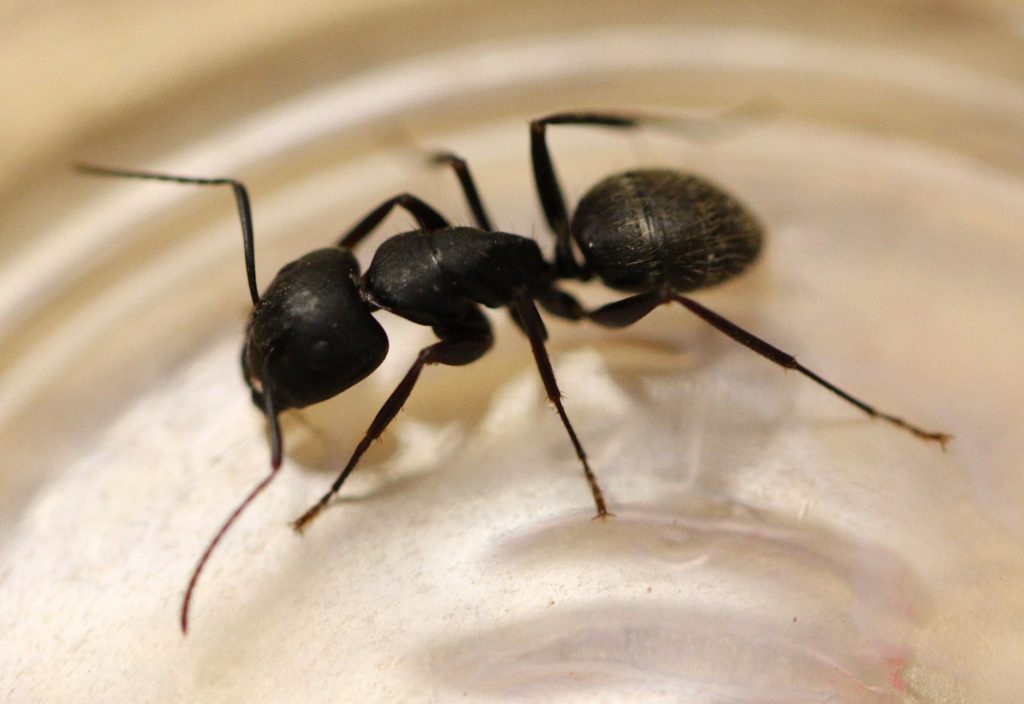
These big black ants are attracted to wood that is broken down by moisture, which means they tend to be an issue in homes built before moisture barriers became normal. They make galleries in the beams and joists, which, over time, may compromise the stability.

  • Mice and Rats in Wall Cavities

Settlement has made spaces in older homes. With well over 15% of Metuchen’s housing stock built prior to 1950, enteric pests invading homes is a persistent problem for many homeowners, according to recent municipal data.

  • Termites in Foundation Areas

The older foundation types typical of Colonial construction are perfect for subterranean termites. They can cause substantial damage to supporting structures and stay hidden for years.

  • Silverfish in Basements and Attics

These insects, which thrive on moisture, typically do well in older basements with stone foundations and unventilated attics.

  • Cluster Flies in Window Frames

These flies overwinter in the small frames created by original window installations, scurrying out by the thousands in the warmer months to become a serious nuisance.

Why Are Older Colonial Homes More Susceptible?

Pest-prevention methods were never part of the construction methods used in homes built decades ago in Metuchen, when durability was the primary concern for many new homeowners. Gaps and cracks emerge in the original cement structures, frequently made out of fieldstone or early cement, providing passage for subterranean insects.

Plaster walls, wood lath construction, and natural fiber insulation provide perfect nesting. These old structures provide a highway system for the unwanted creatures that thrive in modern houses, now sealed by barriers that keep out the vapors and the critters, too.

Over 40% of the homes in Metuchen were built prior to 1970 and may not have modern weatherproofing, making roofing and siding more susceptible to moisture problems that attract pests looking for a source of water.

What to Do When the Charm Turns into Chewing

Old-school DIY pest control strategies struggle in Colonial homes because they treat symptoms, not the underlying issue. Sprays from the store may get some on the outside, but they never get to the nests inside the walls, under the original insulation, or in the complicated duct work systems so standard in these homes.

Plaster styles on original walls can cover those noises, while wood lath systems create a perfect runway for mice and rats. Floorboards that have aged and developed natural gaps present an almost infinite number of entry points, which are all but impossible to seal properly without professional assistance.

That is where a company like Alliance Pest Services becomes an indispensable partner for Metuchen home-owners. With older Colonial homes, they know that special treatment must be given to both the age of the construction and the prevalence of pest pressures in Central New Jersey. Having been in the business of inspecting homes like yours, they are likely to identify trouble areas that homeowners may overlook. They can then formulate complete treatment strategies that are effective against pests but gentle on your home.

Not only do these big black ants lay down unsightly trails across your kitchen counters, but they also burrow into the wood framing, keeping your house from collapsing down onto your head. Homeowners are finding hollowed-out support beams, rotting window frames, and weakened deck structures from Illinois farmhouses to Michigan suburbs. 

If you see mounds of sawdust around the wood and hear rustling sounds in your walls, call your pest control service before they do too much damage. Do so by finding an exterminator near me on the web. 

Why Are Black Carpenter Ants Increasing In Midwest States?

Carpenter ant inquiries and activity have risen by 35% in Illinois in the last 10 years, according to the latest data. Moisture-damaged wood and poor ventilation in homes built between 1950 and 1980 offer the ideal nesting sites in an aging housing stock in the region. 

Plus, all of that rain in the Midwest creates a wet environment in which these ants prefer to set up shop. Urbanization has also driven them out of their forest homes; they are now living in more residential sectors, where they have many wooden materials to inhabit.

Dangers of Black Carpenter Ants

  • Structural Damage to Home Foundations

Black carpenter ants can prevent your home from standing by boring a big, elaborate system of tunnels through the load-bearing wooden portions of a house. This damage can be especially destructive in older Midwest homes with wood foundations.

  • Window and Door Frame Deterioration

These ants commonly infest window and door frames, particularly in poorly weatherproofed homes. The frames may become loosened or unable to open and close properly.

  • Deck and Porch Destruction

Because they are consistently exposed to moisture, outdoor wooden structures such as decks and porches are often the prime targets. Wisconsin homeowners have usually found entire support posts of decks hollowed out by carpenter ant colonies.

  • Insulation Contamination

Wall insulation is a common nesting site for carpenter ants. When a Midwest winter hits, the insulation fills with debris, making it far less effective.

  • Electrical System Interference

These ants also tunnel through your wiring, damage wiring, and create fire hazards in your home.

  • Property Value Reduction

In competitive Midwest real estate markets, visible damage from carpenter ants can account for a sizable cut in your home resale profits.

  • Health Concerns from Bites

Although carpenter ants do not possess venom, their bites do result in a painful welt, and if not appropriately treated, secondary infection could occur.

How to Keep Yourself Safe From Them?

  • Eliminate Moisture Sources

The first tip is to fix the leaky pipes, improve the ventilation of the basements, and drain the area around the foundation of the house. In homes with moisture in the basement, which is often the case in the Midwest, those pesky ants are just waiting to set up camp.

  • Ensure to Remove Decaying Wood Materials

Remove dead tree limbs, old lumber, and decaying fence posts from your yard. Ants can walk over a lot of those materials to reach your house.

  • Seal Entry Points Thoroughly

Caulk gaps around windows, doors, and utility penetrations. Look closely at joints between different types of building materials, as this is where the most penetrations occur.

  • Trim Vegetation Away from Structure

Maintain a distance of three feet between tree branches and shrubs from your home. Doing this stops the ants from using them as a bridge across to your roof and siding.

  • Professional Inspection and Treatment

Reliable Pest Solutions has experience with the unique carpenter ant issues Midwest homeowners contend with. They conduct thorough inspections that find active colonies and areas of infection risk before the problems become widespread.

  • Regular Monitoring and Maintenance

Check all wood structures once a month for piles of sawdust, small holes, or the sound of rustling in walls.

We all enjoy a lot of benefits of living in the Lynnwood apartments, the business facilities of Seattle, top-notch shopping in Alderwood Mall, a buzzing community atmosphere, and more. However, being an apartment dweller within this busy city also creates its own set of challenges, especially when dealing with bed bugs. 

These little bloodsuckers are an equal opportunity parasite, not caring whether you are neat, a hoarder, or even on a low income. They are also growing in numbers in multi-unit buildings across the dial-up the west. So, if you are getting bitten and cannot see the cause, or suspect an infestation in preparation, do not delay getting Lynnwood pest control done from professionals. 

Common Reasons Why Bed Bug Risks Are Higher In Lynnwood

  • Dense Population and Apartment Living

With thousands of residents living within multi-unit complexes, Lynnwood is a central hub for apartments between Seattle and Everett. This is an extensive social problem, as approximately 20,000 reports originating from 12,000 locations in the US and Canada have been compiled on the Bed Bug Registry. 

  • Frequent Tenant Turnover

Due to the city’s location in relation to employment centers, many of the apartments within the area have a high turnover rate with their tenants. People can pick up bed bugs in furniture, clothing, and personal belongings, and every move-in has the potential to bring some along for the ride. Sadly, most tenants carry these pests without knowing, which leads to these pests starting infestations in clean units.

  • Shared Building Infrastructure

Many of Lynnwood’s older apartment buildings have shared electrical, plumbing, and HVAC systems between units. Bed bugs are top-notch travelers; they can easily travel to your home along wall voids, electrical conduits, and standard ventilation systems. These hidden passageways help them establish themselves in one unit so that neighboring apartments can be colonized quickly.

Common Signs of Bed Bugs for Lynnwood Renters

  • Bite marks with no explanation: Usually in lines or clusters of small, red, itchy welts on exposed skin during sleep time
  • Dark or rust-colored stains: These are blood stains found on sheets, pillow cases, or mattresses that indicate crushed bedbugs.
  • Cloying, honey-like smell: A characteristic odor found in heavily-diseased rooms, often compared to spoiled fruit
  • Dark spots: Bed bug droppings that resemble minor ink stains on the mattress, furniture, or wall
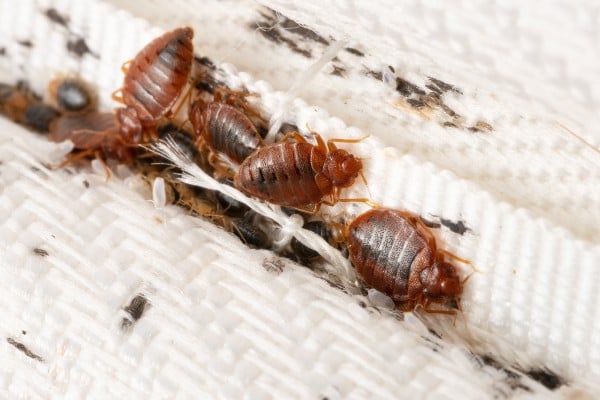
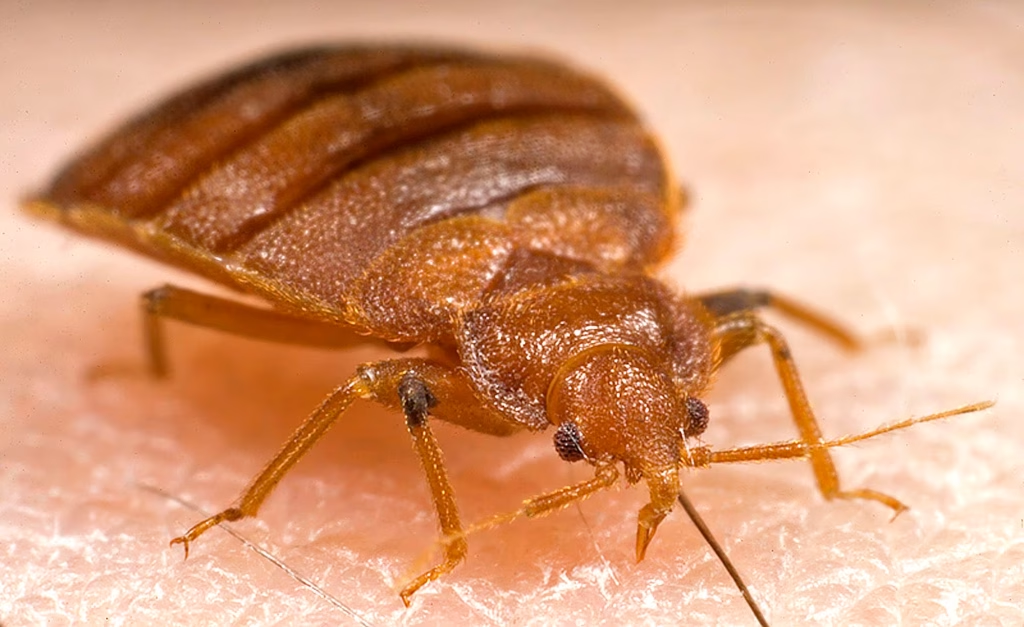
  • Bed bugs: Small, apple–seed–sized brown oval insects that are primarily nocturnal
  • Shed skins: Exoskeletons of growing bed bugs, frequently found near sleeping areas
  • Small blood spots: bloodstains on sheets or night clothes (little blood from bites that bled a little)

Containing the Problem: Why DIY Is Not Enough

Lynnwood residents tend to reach for the sprays you buy over the counter whenever bed bugs are found and conduct the fight against these pests on their own. Sadly, this method usually exacerbates the problem. DIY treatments simply kill the visible bugs and develop a resistance to many common pesticides.

You need expert treatment because bed bugs are skilled at hiding and seeking. They can fit into gaps thinner than a credit card, hide in electrical outlets, and go months without feeding. Diatomaceous earth or essential oils may spare a handful of bugs, but not an entire colony.

Heat treatment is currently the most effective method, but it requires special heating equipment that heats the room to 120–140°F. You cannot do this with items lying around your house. Companies such as United Pest Solutions use industrial or commercial heat equipment and monitoring systems to ensure that no crevice or corner of your apartment goes undetected and remains at a fatal temperature. 

At first glance, professional treatment might seem expensive. Still, it is much cheaper than buying thing after thing that fails, purchasing new furniture infested with termites, or sitting at home unable to breathe and getting sick from the infestation. Additionally, pest control companies often warranty their work, which you can be sure you will not get using DIY methods.

Whether it is Center City hotels or West Philly row-house rentals, stories of bed bugs are growing once more. Philadelphia is a travel hub in its own right, plus a college town is a perfect stimulus package for unwanted guests. Each year, more than 120,000 college students descend on the city, and millions of tourists stop by landmarks such as Independence Hall and the Liberty Bell.

In this post, we will explain how bed bugs are spreading throughout Philadelphia′s hospitality and shared housing industries, precisely why they do so, and what property managers can do to protect their investment. In cases of larger infestations, it becomes necessary to call in Philadelphia pest control near me for the best results. 

Why Are Bed Bugs Making a Comeback in Philly?

Philadelphia’s increasing bed bug concerns have several reasons. With so many people visiting for tourism, conventions, and major sports events, there are plenty of opportunities for hitchhikers to come along for the ride. More than 3 million people go to Citizens Bank Park and Lincoln Financial Field each year, and many of them stay in nearby hotels or short-term rentals.

Bed bugs replicate faster than virtually anything else and, thanks to heavy turnover, can repopulate a room in an Airbnb or off-campus residence before some people even take notice of an issue. These pests have become resistant to most over-the-counter pesticides, rendering DIY treatments nearly ineffective. Philadelphia continues to be ranked among the top 20 cities for bed bug infestations across the nation in recent pest control industry reports.

How Bed Bugs Spread in Hotels, Hostels & Shared Housing?

Bed Bugs can spread in hotels, hostels, and shared spaces at a rapid rate. Here’s how: 

Hotel Transmission Patterns

Because hotel guests travel with luggage from various locations, hotels face a unique set of challenges in managing luggage disposal. Luggage hides inside suitcases, backpacks, and clothing and gets moved from room to room on housekeeping carts and even through adjoining rooms. 

Shared Housing Vulnerabilities

Philadelphia is full of college students each semester, and these massive moves happen in College towns across America. Students often bring used furniture, mattresses, and other possessions that could have bed bugs when they move in and out of shared housing. Bed bug turnover rates in West Philadelphia exceed 80%, giving optimal conditions for bed bugs to become established.

Short-Term Rental Risks

Like hotels, short-term rentals face these challenges, but they often do not have the advantage of trained housekeeping staff. Fast turnover times between guests and inconsistent cleaning practices help bed bugs get a foothold before property owners have any idea that a problem exists. And owners of short-term rentals in neighborhoods such as Northern Liberties or Fishtown may not be the most detail-oriented homeowners when it comes to inspecting between guests.

Why is it necessary for a Professional To Intervene?

There are a few major flags that show it is time to reach for outside help. Finding several different bite marks on guests or tenants, dark stains on mattresses or pieces of furniture, or smelling a sweet or musty odor in the bedrooms may cause the infestation to be worse than a DIY job. If you see blood on the sheets, rusty stains on the mattress seams, or actual bugs moving along the walls during the day, that is a red alert.

Trained pest control companies like Presto Pest Control are aware of the behavior of bed bugs and how to institute a bed bug treatment plan with an integrated approach. These systems combine heat treatments, targeted chemical application, and monitoring systems to wipe out whole populations. Experts also pinpoint every hiding site and are capable of treating even interconnected spaces in the older buildings of Philadelphia, preventing the bug from just moving to neighboring units.

Maintaining a warm and cozy house becomes crucial as winter draws near. When it comes to heating oil, many homeowners instantly select big national suppliers, but they frequently fail to consider the advantages of local suppliers. You can save money, get faster service, and have a more customized experience by switching to a local oil company.

Local expertise and individualized care 

A local heating oil delivery is aware of the particular requirements of the area it works in. They understand the sorts of homes, the temperature, and the difficulties faced by homeowners in the winter. Local businesses treat their clients like neighbors rather than just numbers, in contrast to big national providers. When you work with a local supplier, you can be confident that you will receive timely deliveries and services that are customized to meet the specific needs of your house. 

Competitive and open pricing 

Due to their size, many homeowners believe that national oil companies provide the lowest rates. In actuality, the consumer frequently does not receive the savings, and there may be additional costs associated with delivery or administration. Local businesses usually pass the savings on to their clients because they have fewer overhead costs. They provide pricing that is transparent, unambiguous, and free of surprises.

Dependable service and fast delivery 

When it comes to heating oil, especially in really cold weather, dependability is crucial. Due to their large consumer base and limited local resources, national corporations may occasionally take days to deliver in an emergency. 

Because they operate inside the same neighborhood, local oil companies can offer quicker delivery times. Customers in the neighborhood are given priority by a local oil business, guaranteeing that your house stays warm even during times of high demand.

Encouraging the regional economy 

The community gains by choosing a local business. Spending money with a local provider keeps money in the area and supports local companies and employment. Local oil firms support the local economy by providing services, jobs, and taxes. 

For homeowners, switching to a local oil company has several benefits. The advantages are obvious, ranging from competitive cost and quicker delivery to individualized care and community support. Your home will stay warm, your expenses will be reasonable, and your service will be dependable if you work with a local supplier, such as a local oil firm.

In many homes, especially in particular areas in the country, well pumps are a crucial component of the plumbing systems. You require this system to function dependably because they are in charge of bringing water from the well to your house. Quick action is essential in times of water emergency in order to maintain your home’s water supply. A timely well pump repair is crucial so as to make sure there will be no problem in your water supply. There are various signs you should watch out for as they signal something is wrong with the well pump. Some of them are the following:

  • The pump starts to produce strange sounds –  Unusual noises such as gurgling or hissing should be taken seriously because the well pump should not create many noises. Various noises can be a sign of different difficulties, but they frequently indicate a malfunctioning motor or pressure problems. Such issues may result in pressure variations that put stress on the well pump. You should contact a qualified plumber as soon as possible to identify and resolve the issue because ignoring these noises could result in more serious problems.
  • Abnormalities in water pressure –  Your well pump may be the cause if the water pressure in your house begins to feel lower. Additionally, a well pump may be the cause of varying water flow and pressure. Variations in water pressure frequently indicate problems such as a malfunctioning motor or a clogged pump. Therefore, call a plumber to check your well pump if there is a sudden decreased or continues to fluctuate in water pressure.
  • The water is unclear or discolored – Your pump may be drawing material from the well or the filter is not functioning effectively if the water flowing from the well is hazy or contains visible sediment. This can be the result of a shift in the water table or problems with the pump’s filtration. In addition to being unsightly, dirty water may indicate underlying issues with the pump’s operation. By taking prompt action, you may prevent sediment accumulation from damaging the plumbing system and restore the quality of your water.