
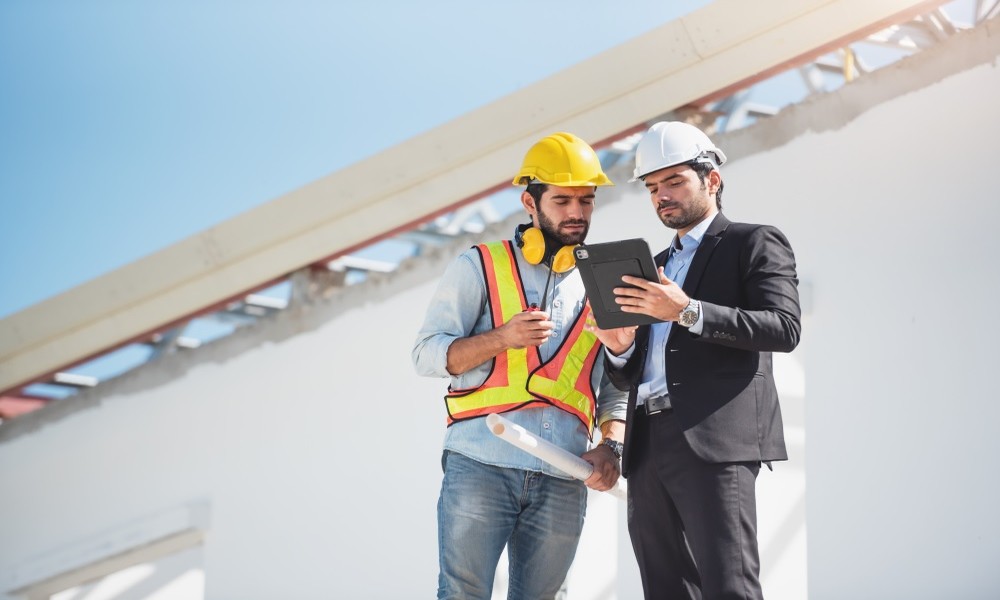
Buying a commercial property is a major investment, and every decision made before closing can affect long-term costs, safety, compliance, and business operations. Whether the property is intended for office use, retail, industrial activity, warehousing, or redevelopment, owners need a clear understanding of the building’s true condition before committing financially.
A professional inspection helps uncover issues that may not be visible during a regular walkthrough. It provides property buyers with practical information about structural integrity, building systems, safety concerns, and potential repair needs. For commercial buyers in New Jersey, this step is especially important because properties may also involve environmental, zoning, and regulatory considerations.
Why Commercial Property Inspections Matter
A commercial building may look functional from the outside, but hidden problems can lead to expensive repairs after purchase. Roof deterioration, electrical concerns, plumbing issues, drainage problems, HVAC inefficiencies, and foundation defects can all affect the value and usability of the property.
An inspection gives buyers a clearer picture of what they are purchasing. It can also support better negotiation, allowing buyers to request repairs, adjust the purchase price, or plan future improvements with greater confidence.
Key Areas Reviewed During an Inspection
A thorough commercial building inspection nj often includes several important building components. These may vary depending on the property type, age, and intended use.
Structural Components
The inspector reviews visible structural elements such as foundations, walls, floors, ceilings, and roofing systems. Any signs of settlement, cracks, water intrusion, or structural wear should be carefully documented.
Roofing and Exterior Conditions
Commercial roofs can be costly to repair or replace. Inspectors typically check the roof surface, drainage systems, flashing, exterior walls, windows, doors, and parking areas to identify maintenance concerns.
Mechanical, Electrical, and Plumbing Systems
Building systems play a major role in daily operations. The inspection may include HVAC units, electrical panels, wiring conditions, plumbing fixtures, water heaters, and visible piping.
Compliance and Environmental Considerations
In New Jersey, commercial buyers should also think beyond the physical condition of the building. Depending on the property’s location and history, there may be environmental concerns, permit requirements, or site limitations that affect future use.
This is where planning ahead becomes valuable. A tify building-related concerns before they become financial or operational problems.
Environmental regulations may also be relevant if the property has industrial use, storage areas, drainage systems, wetlands nearby, or a history of regulated activity. Buyers should understand whether additional review, documentation, or approvals may be needed.
Working with an experienced njdep permit consultant can help property owners better navigate environmental permitting, compliance requirements, and documentation connected to New Jersey Department of Environmental Protection regulations.
Questions Property Owners Should Ask Before Buying
Before finalising a purchase, buyers should ask the right questions to avoid surprises later.
Important Questions to Consider
What major repairs are needed now or in the near future?
Are there signs of water damage, roof leaks, or drainage problems?
Do the electrical, plumbing, and HVAC systems appear suitable for the intended use?
Are there environmental concerns that could delay occupancy, renovation, or redevelopment?
Will the property require permits or approvals before changes can be made?
These questions help buyers approach the transaction with practical expectations and a stronger understanding of risk.
How Inspection Findings Support Better Decisions
An inspection report is not just a list of defects. It is a decision-making tool. It helps buyers understand short-term repair needs, long-term maintenance costs, and possible compliance concerns.
For property owners planning renovations, expansions, or new business operations, inspection findings can also guide budgeting and project planning. When combined with proper due diligence, the report may reduce uncertainty and help protect the buyer’s investment.
Final Thoughts for Commercial Property Buyers
Purchasing a commercial building in New Jersey requires more than reviewing the price, location, and layout. Property owners must look closely at the building’s condition, regulatory factors, and future usability before making a commitment.
A detailed inspection provides valuable insight before closing, helping buyers avoid hidden costs and make informed choices. By reviewing the property carefully and working with qualified professionals when needed, commercial buyers can move forward with greater confidence and better control over their investment.
