Category

Home

Category

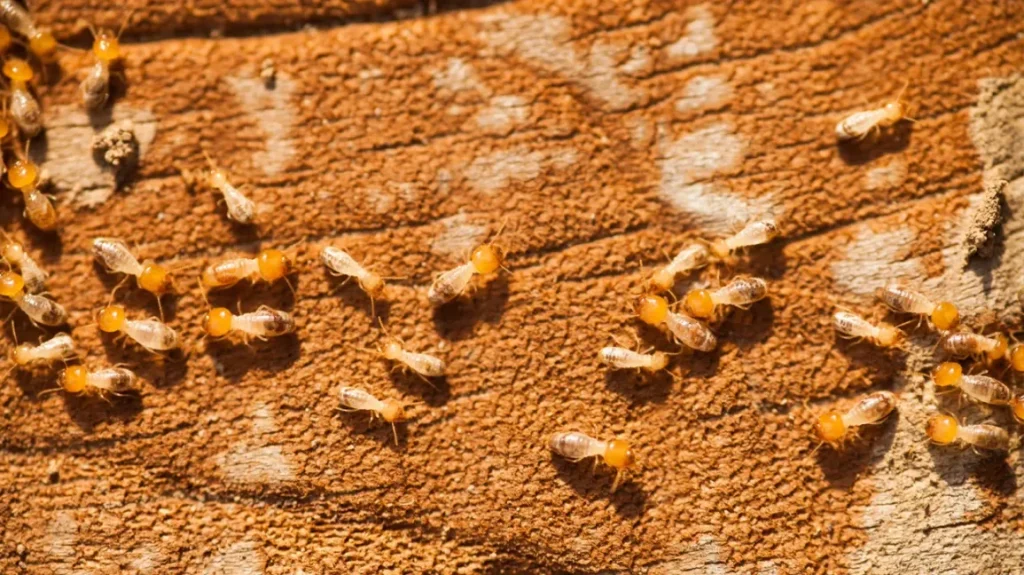
Termites are small insects that can cause a lot of destruction. Their behavior and habits might be different depending on the type of termite you are dealing with. There are subterranean termites, swarmers, etc, when it comes to types of termites. In Manchester, coming across one of these is not an uncommon phenomenon. 

Furthermore, they are pretty good at chewing different materials; they can feed on wallpaper, flooring, and even wood items. Thus, it gives you an idea that they are destroying a lot of expensive items around the house. You need to keep an out for their infestation. 

However, since they silently make it inside, it might not be easy to spot them until much later. The damage can cost you a lot when you will get the items repaired. The damage can be extensive in some cases, too, which will require replacement altogether. 

Thus, staying aware of their possible signs is crucial. Anchor Pest Services can help you find them and eliminate all of them from your property. 

What are the different signs of termite infestation?

If you successfully catch termites early on, you can save your property from extensive damage. There can be various things that indicate their infestation; let us look at those signs:

  • Finding mud tubes:

Termites are known to build these tubes so that they can keep themselves safe when traveling to the other side of the tunnel. They get to their food sources through these tunnels. You can find these tunnels on the wall or around other structures. 

  • Finding discarded wings:

When they are about to reproduce, termites usually swarm in large numbers and discard their wings. If you find the wings around windows or even doors, that is not a good sign. It means they have probably already made it inside your home. 

You might also find frass around your place, which is again not a good sign. They might look like coffee grains and termite droppings in actuality. 

  • Damage to woods:

If you notice damage to wood, they can eat it to get the cellulose out of it. They usually start eating from the inside. Thus, make sure all the wood items are acceptable. You can also knock on the surface to know if termites are inside. You will hear a sound if they are inside. 

What are the risks that indicate their infestation?

There are various risks associated with termites, and they can cause a lot of damage, too. Let us look at those things:

  • Extensive financial loss:

When you go for repairs, that can cost you a lot; when it comes to repair and treatment, there is a good amount that you will have to pay. There are also cases where the price of the property can go lower because of all the damage. 

  • Damage to structures:

Termites, as discussed earlier, are known to feed on wood; they can, therefore, cause a lot of damage. Floors can become loose and make a sound when you step on them; things can also collapse in the worst-case scenario, etc. 

  • Damage to health:

While they are not really known to cause any diseases or carry them, they can still create space that is not healthy to live in. Mold can grow significantly, and moisture problems can result from that. Furthermore, you are likely to experience respiratory issues as well. 

In order to fight their infestation, you can set up baits, when they will feed on it by taking it to their colony, it will help in controlling their infestation. Try having stainless steel around your place, as it can control their infestation. 

Make your home free of termites!

In order to fight their infestation, you need to know about the different ways you can control them. If nothing works out, then it is time you call someone who can help you get rid of them. They have extensive knowledge about different species and can tell what you are dealing with. 

Moisture might seem harmless in your house, but it can be one of the important culprits that attract pests to your residence. It is because many pests thrive in the households due to their damp environment, which helps them to breed, nest, and survive. Pests such as termites, cockroaches, and mosquitoes thrive in damp places. Therefore, we need to understand that there is a direct relation between pest infestation and moisture in your house. 

In this article, we will study this direct relationship and why pests thrive in wet places. You can even consult pest control companies such as Pointe Pest Control, which can help you understand the importance of keeping your horse dry. 

Why Do Pests Love Moisture? 

Moisture is one of the important elements for life for pests. They rely on water resources to live. Various factors make them rely on moisture, and the first one is their survival. Pests such as cockroaches and termites need water to stay alive, and therefore, a damp area is an ideal place for them to survive in such areas. 

Secondly, pests also need water because it becomes their breeding ground. Some mosquitoes lay their eggs in standing water, and therefore, such pests need to thrive in their life. In addition to this, moisture also makes your structures weak, and therefore, it makes it easier for pests to attack your house, take advantage of your condition, and attack your house. 

When there is excess moisture, then it leads to mold growth, and it is also one of the examples of attracting pests such as silverfish that rely on fungi. So, these are some of the reasons why moisture attracts pests in your house. 

Pest Control

Which are Common Pests that are Attracted to Moisture? 

Several pests are drawn to damp environments, and therefore, we need to understand this and take steps to stop their spread in our surroundings. However, we must also know which pests are attracted to moisture places so we can take steps to restrict their influx into your residence. 

Cockroaches

These pests need water to survive, and therefore, they are commonly found in the kitchen areas, bathrooms, or basements, which are filled with humidity, making it an ideal place for these pests to reside. So, you need to understand that you have to keep these places dry so that you can restrict their influx into your residence. 

Termites

When there is a moist place, then it will be the ideal place for the termites to make their presence in the house. They thrive in places where there is moisture, which can lead to structural damage to the house. Therefore, it is better to keep your house dry to safeguard yourself from termites. 

Mosquitoes

These are also one of those pests that thrive in places that are moist and filled with water. You might have seen that mosquitoes are mainly available in places where there is standing water in gutters, birdbaths, puddles, or even plants. Standing water makes it an effective place for mosquitoes and also increases the risk of bites and transmission of diseases. 

Rodents

These are also problematic pests that are attracted to moist places. They often invade houses with leaks or damp basements. These creatures are very harmful, and therefore, you must protect yourself from pests by keeping your house dry and healthy. 

Moisture control becomes an important part of your pest control technique. Therefore, you must identify the places with excess moisture and ensure that no such place is available in your house to attract pests in your house.

Summer is the season we all look forward to, long sunny days, barbecues in the backyard, and evenings spent outdoors. But nothing ruins a beautiful summer evening like a swarm of mosquitoes. These tiny pests are not only incredibly annoying, but they also pose significant health risks by spreading diseases like West Nile virus, Zika virus, and dengue fever. The good news? With a few proactive measures, you can dramatically reduce mosquito activity around your home and protect yourself and your family from bites. If needed, don’t hesitate to seek professional help from a Romney Pest Control Company.

Here’s how to prevent mosquitoes this summer.

Eliminate Standing Water

Mosquitoes need standing water to breed, and even the smallest amount can serve as a breeding ground. That’s why getting rid of standing water should be your first line of defense.

  • Empty any buckets, flower pots, or unused containers that may be collecting rainwater.
  • Change the water in birdbaths and pet bowls at least once a week.
  • Clear clogged gutters to prevent water from pooling.
  • Check tarps, pool covers, and garbage lids for puddles and drain them regularly.

By removing standing water, you disrupt the mosquito life cycle and prevent new populations from forming.

Use Natural Repellents

If you’re not a fan of heavy-duty chemical sprays, there are plenty of natural options to keep mosquitoes at bay. Many plants and oils contain compounds that are effective deterrents for these persistent pests.

  • Use essential oils like citronella, lavender, or eucalyptus. Mix them with water and spray the solution around entry points or on your skin.
  • Plant mosquito-repellent plants like marigolds, basil, or lemongrass in your garden. These not only keep mosquitoes away but also add a lovely touch to your landscaping.
  • Consider using citronella candles or incense on patios and outdoor seating areas for added protection against mosquitoes in the evenings.

Natural remedies can provide an eco-friendly and pleasant-smelling solution to mosquito problems.

Maintain Outdoor Spaces

A well-maintained yard can make a significant difference in reducing mosquito activity. Mosquitoes love dark, humid environments, so keeping your outdoor spaces clean and dry is crucial.

  • Mow the lawn regularly and trim tall grass or overgrown shrubs that could harbor mosquitoes.
  • Avoid overwatering your garden, which can create damp areas mosquitoes find attractive.
  • Store outdoor tools, toys, and furniture properly to ensure they don’t collect water.
  • Spread coffee grounds or mosquito-repellent granules in garden soil to reduce breeding in damp areas.

A tidy outdoor space makes it less hospitable for mosquitoes and more enjoyable for you.

Protect Yourself

Pest Control

When it’s impossible to avoid being outdoors, especially during those peak mosquito hours at dawn and dusk, take extra steps to protect yourself from bites.

  • Wear long-sleeved shirts, long pants, and socks to cover as much skin as possible. Opt for light colors, as mosquitoes are attracted to dark clothing.
  • Use a mosquito repellent with DEET or picaridin for effective protection. Be sure to follow the label instructions for safe application.
  • Install screens on all doors and windows to keep mosquitoes from finding their way inside your home. Check for holes or tears and repair them promptly.

Dressing smart and using repellents ensures personal protection every time you step outdoors.

Set Up Mosquito Traps and Barriers

Sometimes, additional tools are necessary to manage mosquito populations effectively. Investing in traps or barriers can give you extra peace of mind.

  • Install a mosquito net over your bed or outdoor seating area to create a safe space free from buzzing pests.
  • Use mosquito traps or zappers near patios or gathering areas to reduce their numbers without harmful chemicals.
  • If mosquitoes are particularly bad, consider hiring a pest control professional to treat your yard for these pests.

These barriers add another layer of protection for those especially buggy summer nights.

Conclusion

A little effort goes a long way in preventing mosquitoes and all the discomfort they bring. Take charge of your home and yard to create a summer environment that’s comfortable for you and uninviting to these pesky invaders. With the right approach, you can enjoy sunny days and warm evenings without swatting away mosquitoes or worrying about the health risks they carry.


A fireplace adds warmth and comfort to any home, but without proper maintenance, it can become a significant fire hazard. Creosote buildup, structural damage, and blockages can all increase the risk of chimney fires or carbon monoxide leaks. This is why Professional Chimney Services are essential for homeowners who want to ensure safety while enjoying their fireplace.

Regular chimney inspections, cleaning, and repairs help prevent fire hazards and keep your home protected. Here’s how professional chimney services reduce risks and improve fireplace safety.

1. Removing Creosote Buildup to Prevent Fires

Creosote is a highly flammable substance that forms inside chimneys when wood is burned. Over time, it accumulates on the walls of the chimney and can ignite if not removed properly.

✔ Stage 1 Creosote: Light buildup that can be brushed away easily.
✔ Stage 2 Creosote: A thicker, tar-like substance that requires professional cleaning.
✔ Stage 3 Creosote: A hardened glaze that is extremely dangerous and highly combustible.

Professional chimney sweeps use specialized tools and cleaning agents to safely remove creosote buildup, reducing the risk of a chimney fire.

2. Detecting and Repairing Structural Damage

Cracked chimney liners, loose bricks, or deteriorating mortar can lead to dangerous situations. Structural issues can allow flames, heat, or harmful gases to escape into your home. Professional chimney technicians inspect for:

✔ Cracks in the chimney flue that could let fire spread to walls.
✔ Loose or missing bricks and mortar that weaken chimney stability.
✔ Damage to the chimney crown or cap, which protects against moisture and debris.

By addressing structural concerns early, professional services prevent costly repairs and fire hazards.

3. Preventing Blockages and Carbon Monoxide Poisoning

Chimney blockages can be caused by bird nests, leaves, soot buildup, or even small animals getting trapped inside. These obstructions prevent proper ventilation, leading to:

✔ Smoke backing up into the house.
✔ Dangerous carbon monoxide accumulation.
✔ Poor airflow, reducing fireplace efficiency.

Professional chimney sweeps clear blockages to ensure proper ventilation, reducing the risk of dangerous gas exposure.

4. Ensuring Proper Chimney Cap and Damper Functionality

A chimney cap keeps out rain, animals, and debris, while a damper helps control airflow when the fireplace is not in use. If either of these components is damaged, your chimney could be vulnerable to:

✔ Increased moisture, leading to mold and structural decay.
✔ Birds or rodents nesting inside the chimney.
✔ Draft problems that make heating inefficient.

Professional inspections ensure these components are in good working order, protecting your home year-round.

5. Compliance with Fire Safety Standards

Professional chimney services follow industry safety guidelines, ensuring that your chimney meets National Fire Protection Association (NFPA) and local building code standards. Regular inspections help:

✔ Keep your chimney compliant with fire safety regulations.
✔ Identify hazards before they become serious threats.
✔ Provide documented records for homeowners’ insurance claims if needed.

Hiring certified professionals ensures that your chimney is maintained to the highest safety standards.

6. Extending the Life of Your Fireplace and Chimney

A well-maintained chimney lasts much longer and performs better. Regular cleaning and inspections:

✔ Reduce wear and tear on chimney components.
✔ Improve heating efficiency by ensuring proper airflow.
✔ Prevent costly emergency repairs by catching issues early.

Professional chimney services help homeowners get the most out of their fireplaces while keeping them safe.

Conclusion

Neglecting chimney maintenance can lead to dangerous fire hazards, structural issues, and carbon monoxide risks. By investing in Professional Chimney Services, homeowners can enjoy a safe, efficient, and long-lasting fireplace. Regular inspections, cleanings, and repairs ensure that your chimney functions properly and complies with fire safety regulations.

A clutter-free home isn’t just about keeping things tidy—it’s about creating a space that feels open, peaceful, and efficient. But with busy lifestyles, accumulating belongings is inevitable. Over time, it becomes harder to find places for everything, leading to messy countertops, overflowing closets, and rooms that feel more cramped than they actually are.

The key to conquering this challenge isn’t about getting rid of everything you own. It’s about maximizing every inch of your home by using hidden storage solutions—smart, seamless, and often overlooked spaces that can be transformed into valuable storage areas.

By incorporating clever storage hacks, you can free up space, reduce visual clutter, and make your home feel bigger and more organized—without sacrificing style or comfort. Whether you live in a tiny studio apartment or a spacious house, these hidden storage ideas will help you reclaim your home and enjoy a more organized life.

It’s All about Smart Storage

A truly organized home isn’t one that’s simply neat—it’s one where everything has a designated place. Traditional storage solutions like shelves, closets, and drawers are helpful, but they’re not always enough. That’s where smart storage comes in.

Instead of cramming items into already-full spaces, smart storage makes use of:

  • Underutilized areas – such as the space under your bed, behind doors, or beneath staircases.
  • Multi-functional furniture – like ottomans with hidden compartments or beds with built-in drawers.
  • Invisible storage solutions – such as toe-kick drawers in the kitchen or secret panels in walls.

By incorporating hidden storage into your home, you maximize space without making your home look cluttered—allowing you to maintain a sleek, streamlined look while still having everything you need at your fingertips.

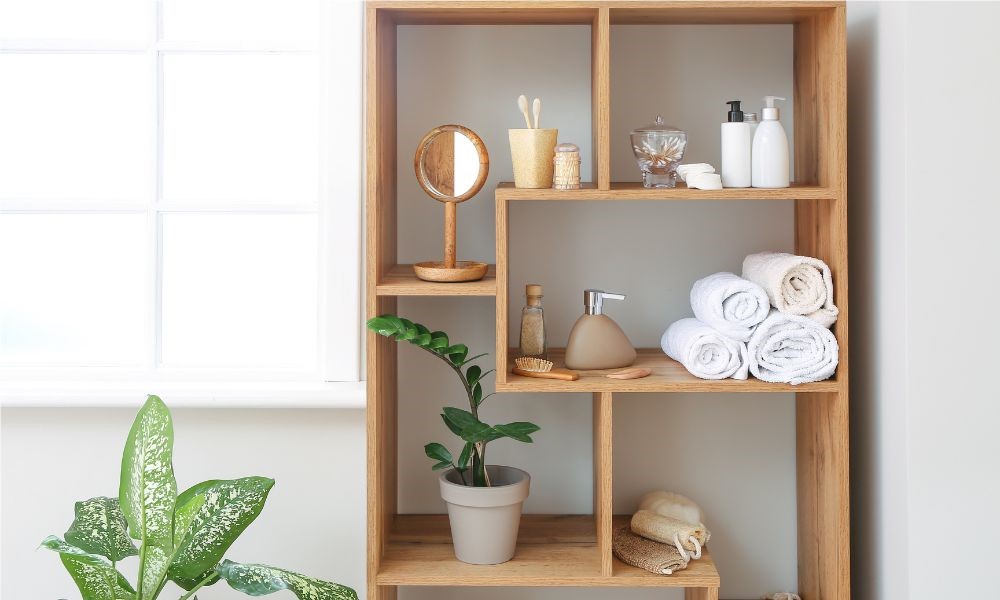
Most people don’t realize just how much visual clutter affects their daily life. Piles of paper on countertops, shoes scattered in the hallway, or stuffed cabinets can make a home feel chaotic and stressful. Hidden storage plays a key role in creating a sense of calm and order by:

  • Reducing visible clutter – keeping items neatly stored away instead of piling up in plain sight.
  • Making your home feel larger – when things aren’t cluttering surfaces, spaces naturally appear more expansive.
  • Enhancing accessibility – with organized, hidden storage, you know exactly where everything is.
  • Increasing safety – especially in homes with kids or pets, keeping sharp objects or fragile items out of reach prevents accidents.

A well-organized space isn’t just more visually appealing—it also creates a functional, stress-free home environment.

Secret Storage

Clever Kitchen Storage Solutions

The kitchen is one of the most frequently used spaces in any home, which makes it prone to clutter. But by using hidden storage, you can keep your kitchen clean and functional without sacrificing counter space.

  • Behind-the-door spice racks. Instead of cluttering your shelves with spice jars, install slim racks on the inside of pantry or cabinet doors. This allows easy access while freeing up valuable shelf space.
  • Toe-kick drawers. The space beneath your lower cabinets is usually wasted—but it doesn’t have to be. Toe-kick drawers can store baking trays, cutting boards, or even pet bowls, utilizing a hidden area that’s often overlooked.
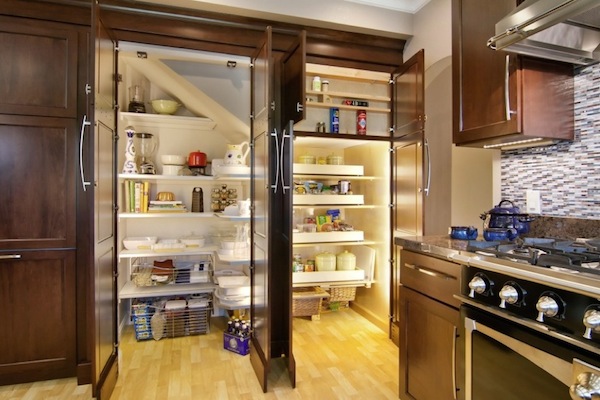
  • Hidden pull-out pantry shelves. Deep pantry shelves can become a black hole for ingredients. Pull-out pantry shelves slide forward, allowing easy access to everything, so you never lose items in the back.
  • Magnetic knife strips inside cabinet doors. Bulky knife blocks take up counter space. A magnetic strip mounted inside a cabinet keeps knives organized and out of sight while remaining easily accessible.
  • Under-cabinet hanging jars. Screw jar lids to the underside of your upper cabinets and use the jars for spices, nuts, or small snacks. This creative hanging storage system frees up shelf space while keeping dry goods within reach.

Sneaky Bedroom Storage Ideas

A bedroom should be a calming retreat, but clutter can make it feel chaotic. These hidden storage hacks will help maximize space while keeping everything neatly tucked away.

  • Under-bed drawers. Instead of shoving items under your bed in a disorganized mess, use built-in drawers or rolling storage bins to keep seasonal clothes, extra shoes, or linens neatly stored and dust-free.
  • Storage headboards. A headboard with built-in shelves, drawers, or hidden compartments provides extra storage for books, charging cables, and bedtime essentials without cluttering nightstands.
  • Floating nightstands with secret compartments. Wall-mounted nightstands keep the floor clear, making small bedrooms feel more spacious. Choose one with a hidden compartment to store valuables like jewelry or important documents.
  • Over-the-door shoe organizers. These versatile organizers can also be used to store accessories, beauty products, or cleaning supplies—keeping small items neatly stored but still easily accessible.
  • Fold-down desks. For those who work from home but lack office space, a wall-mounted fold-down desk provides a workspace when needed and tucks away neatly when not in use.

Living Room Storage Hacks You Haven’t Considered

Living rooms often double as entertainment spaces, so storage can be tricky. Here’s how to keep everything functional and stylish:

  • Hidden ottoman storage. Choose an ottoman with a lift-up top or pull-out drawers to store throw blankets, magazines, or board games.
  • Wall-mounted shelving with secret compartments. Floating shelves with hidden drawers are perfect for storing important documents, remote controls, or small valuables.
  • Coffee tables that double. A coffee table with hidden compartments provides a place to store coasters, remotes, and other living room essentials while keeping surfaces clutter-free.
  • Behind-the-sofa shelving. Use the space between your sofa and the wall for a slim console table or built-in shelving to store books, plants, or decorative accents.

Clever Ways to Use TV Consoles for Extra Storage

TV consoles do more than just hold your entertainment system—they can serve as hidden storage powerhouses with a little creativity. Instead of letting your console become a clutter magnet, maximize its potential with these clever ideas:

  • Use Hidden Drawers and Cabinets – Opt for a console with built-in drawers or cabinets to discreetly store remote controls, gaming accessories, DVDs, or extra cables. This keeps everything organized and out of sight while maintaining a clean aesthetic.
  • Incorporate Baskets or Bins – If your console has open shelving, use decorative baskets to neatly store items like books, board games, or kids’ toys. This keeps your space tidy without compromising style.
  • Choose a Lift-Top or Sliding Panel Console – Some modern TV stands feature lift-up tops or sliding panels that reveal hidden compartments. These are great for storing less frequently used items such as seasonal décor, extra chargers, or documents.
  • Utilize the Back of the Console – Attach cable management boxes or slim organizers to the back of your TV stand to keep wires, surge protectors, and tech accessories neatly tucked away.
  • Transform Lower Shelves into a Mini Office – If your TV console has extra shelving, use it to store laptop accessories, notebooks, and office supplies, turning your entertainment area into a functional workspace when needed.

By thinking outside the box, your TV console can become a multi-functional storage hub, keeping your living room clutter-free while maintaining a sleek, organized look.

Conclusion: Transform Your Home with Hidden Storage

A clutter-free home doesn’t happen by accident—it’s built with intentional, smart storage solutions that maximize space while maintaining a sleek and stylish look. By implementing these hidden storage hacks, you can transform every room in your home into an organized, functional, and inviting space. Whether you start small or go all-in, these solutions will help you create a home that feels bigger, tidier, and more peaceful—without sacrificing the things you love.

Doors are often seen as mere structural necessities, but they serve a much greater purpose than simply allowing entry and exit. Their placement dictates how we move through a space, how we interact with it, and even how we feel within it. A well-placed door can create a sense of fluidity, guiding movement effortlessly, while a poorly positioned one can cause disruption, congestion, and discomfort.

From homes to offices, retail stores to public buildings, door placement is a subtle yet powerful design element that influences human behavior. Whether consciously or subconsciously, the positioning of doors affects traffic flow, privacy, accessibility, and emotional responses within an environment. Understanding the psychology behind door placement allows architects, designers, and homeowners to craft spaces that feel harmonious, intuitive, and efficient.

How Door Placement Shapes the Way We Move

Doors function as spatial gatekeepers, directing movement patterns within a building. The moment someone enters a room, their direction, pace, and overall movement are influenced by the placement of doors. A door positioned in the corner naturally directs a person along the perimeter of a space, while a centrally placed door encourages movement toward the middle.

In high-traffic areas, improper door placement can create bottlenecks, frustration, and inefficiency. When doors are aligned in a way that forces people to cross paths awkwardly, it can disrupt the natural rhythm of movement. Conversely, a thoughtfully positioned door ensures a smooth, uninterrupted flow, making spaces feel intuitive and well-organized.

The Subtle yet Powerful Influence of Doors on Behavior

The way a door is placed influences more than just physical movement—it affects how people perceive and interact with a space. For example:

  • Wide, open doorways create a feeling of invitation and inclusivity, encouraging people to enter freely.
  • Narrow, offset, or obscured doors can evoke hesitation or even create a subconscious barrier, discouraging movement.
  • The direction a door swings can subtly signal whether a space is private, open, or restrictive.

In homes, door placement affects privacy and security, influencing whether a space feels open or secluded. In commercial settings, it can determine whether a store attracts or repels customers. Every door, no matter how small, plays a psychological role in shaping human behavior.

Why Understanding Door Placement Matters in Architecture and Design

In architecture, doors are not merely functional; they are strategic design elements that can enhance or hinder a space’s usability. Poor door placement can lead to awkward layouts, inefficient circulation, and discomfort, while well-placed doors can create harmony, flow, and purpose.

Architects and interior designers carefully consider sightlines, foot traffic, and spatial division when positioning doors. A door placed at the wrong angle or in an inconvenient location can diminish a room’s functionality, making movement cumbersome and unnatural.

When designing a space, door placement should align with:

  • The function of the space (e.g., quiet areas should have doors that minimize disruption).
  • The intended traffic flow (avoiding unnecessary congestion or detours).
  • The emotional response the designer wants to evoke (openness, privacy, accessibility, etc.).

By understanding these principles, homeowners, designers, and builders can create spaces that feel more intuitive, comfortable, and efficient.

The Psychology behind Door Placement

Doors act as psychological thresholds, signaling transitions from one space to another. The brain instinctively processes doorways as boundaries, and their placement influences how people perceive the space beyond them.

A well-placed door makes a space feel natural and welcoming, whereas an awkwardly positioned door can create an unsettling effect, even if people can’t quite pinpoint why.

The positioning of doors dictates how people navigate and experience a space. A centrally placed door can make a room feel larger and more accessible, while an off-center door may make the same room feel imbalanced or confined.

Furthermore, when doors align perfectly across multiple rooms, it creates a clear line of sight, making spaces appear more open and connected. Misaligned or obstructed doors, on the other hand, can make a space feel disjointed and less inviting.

The Connection between Doorways and Human Behavior

Doorways subtly influence human interaction and movement patterns. For example:

  • In social settings, wider, more open doorways encourage gatherings and conversation.
  • In work environments, doors placed near desks or meeting areas can either enhance collaboration or enforce privacy, depending on their placement.
  • In retail settings, door positioning affects customer flow—an inviting entrance encourages browsing, while a poorly placed door may deter customers.

Every doorway sends a silent but powerful message about how the space should be used and navigated.

How Door Placement Affects Natural Traffic Patterns

A building’s traffic flow is heavily influenced by where doors are positioned. Entrances and exits determine how people move from one area to another, and when door placement is poorly planned, it can lead to congestion, confusion, and inefficiency.

For example, in high-traffic areas, such as hallways or open offices, doors should be positioned to minimize collisions and bottlenecks. In contrast, low-traffic areas, such as bedrooms or private offices, benefit from doors placed in a way that enhances seclusion and comfort.

Doors also play a crucial role in defining open vs. closed floor plans.

  • In open-concept spaces, doorways act as subtle dividers, maintaining accessibility while providing structure.
  • In closed-concept spaces, doors help maintain privacy, control noise, and create distinct rooms.

The strategic use of doors allows designers to balance openness and separation, creating a dynamic yet functional environment.

Door Placement

The Psychological Impact of Door Visibility and Accessibility

A door that is easily visible and accessible creates a sense of invitation and movement. Conversely, a hidden or obstructed door may create feelings of restriction or discomfort.

In commercial spaces, for example, an inconspicuous entrance may deter customers from entering, while a well-positioned, open doorway encourages foot traffic. Similarly, in homes, a hidden or misplaced door can make a room feel closed-off or inconvenient. Properly positioned doors ensure ease of movement, accessibility, and a sense of openness within any environment.

Conclusion

Door placement is more than an architectural detail—it is a psychological tool that shapes how we move, interact, and experience our surroundings. A well-placed door can create flow, ease, and efficiency, while a poorly positioned one can disrupt, frustrate, and hinder movement.

By understanding the psychology behind door placement, homeowners, designers, and architects can create spaces that are not only functional but also harmonious and intuitive. Whether designing a home, an office, or a commercial space, door placement should always be thoughtful and intentional to ensure a seamless and enjoyable experience.

To enhance your own space, start by observing how doors affect movement, privacy, and interaction—and make small adjustments that can have a big impact on comfort and efficiency.


As a contractor, you understand how securing quality leads is the very backbone of your business. Yet, let’s face it you don’t usually find high-converting, exclusive leads lying around. Enter HomeGuru Leads, a lead generation platform with exclusive leads targeted to your particular business needs. This article goes into why you need exclusive leads as a contractor and how some effective lead generation strategies can prepare you for the best.

The Power of Exclusive Leads for Contractors

When you rely on shared leads or the traditional methods of lead generation, you’re often competing with multiple contractors for the same potential customers. This dilutes your chances of converting those leads into actual projects. Exclusive leads, on the other hand, are leads that are solely given to your business, meaning you won’t be up against stiff competition from other contractors.

Why does this matter? It’s because the closer the deal appears, the higher your chances of winning the job and creating long-term client relationships. The more personal and tailored the lead generation process, the higher the chances of closing the deal.

For example, imagine you’re a roofing contractor. If you receive exclusive leads from HomeGuru Leads, the client you’re speaking with is only considering your services, which can lead to a faster decision-making process. You don’t have to worry about them getting distracted by offers from other contractors. This focus means more jobs in your pipeline and more opportunities to grow your business.

Lead Generation Strategies Every Contractor Needs to Know

Contractors

Effective lead generation is the secret sauce to growing your contractor business. But how do you ensure that the leads you’re gathering are worth your time and effort? Here are a few strategies that can boost your lead-generation efforts:

Use Targeted Advertising

If targeting is well directed, the use of Google Ads or Facebook can guarantee access to customers looking to hire contractors. The crisper the advertisement, the more likely it will attract quality leads.

Use local SEO

For contractors, local SEO is paramount. Optimizing your website for local search terms such as “roofing contractor in [your city]” will help you reach some local customers who are likely ready to hire. This kind of organic traffic is often more qualified and valuable than general leads.

Offer Incentives

People like deals. Give special deals or discounts that help differentiate your service. It becomes particularly more potent when accompanied with exclusive leads-a customer already is looking for and likely to hire a contractor, you.

Build Great Online Reviews

Word-of-mouth is still an extremely powerful force. Building reputation as such through online reputation in Google, Yelp, and Angie’s List will improve your credibility and bring you even more high-quality leads.

Benefits of Using HomeGuru Leads

It is not just getting leads when you work with HomeGuru Leads-you are getting exclusive, high-conversion leads specifically catered to your industry. The benefits include

Higher ROI Exclusive leads mean you are not competing with other contractors, so the chance of converting a lead into a paying customer is increased.

Quality Over Quantity HomeGuru Leads ensure that the leads you receive are highly qualified, which means you can focus your efforts on leads that are more likely to turn into projects.

Time-Saving You save time going through cold, unqualified leads and spend more time doing what you do best: working on projects.

Actionable Tips for Success

  1. Track Your Leads Use a CRM system to track your leads and their status. This will keep you organized and follow up on leads promptly.
  2. Act in the Shortest Time Possible Once you receive the lead, act in 24 hours. As fast as possible, get connected, and the more likely you are to close the project.
  3. Follow-Up Follow up on the potential client after some days if they do not come back right away. Most projects take time to finalize. Through persistence, you can win them over.

Exclusive leads are the game-changer for contractors. They open doors to high-quality prospects, reduced competition, and ultimately increased revenue. Combine these leads with the proper lead generation strategies such as targeted advertising, local SEO, and strong online reviews: watch your business grow.

Next Steps

If you are ready to take your contractor business to the next level, partner with HomeGuru Leads. Their exclusive lead services will help you grow so you could work smarter and not harder. Get in touch with HomeGuru Leads today and start building the business you have always dreamed of!


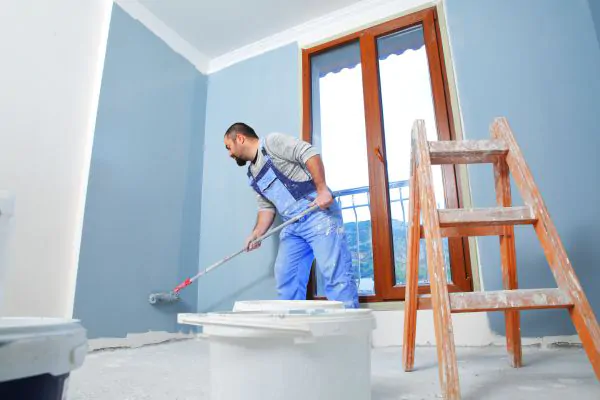
A home’s exterior may be given new life with an additional coat of paint. One more essential item in every house care routine is periodic repainting. Remodelling a whole house is a challenging but very worthwhile endeavour. Painting a typical-sized house painting requires a total of 120 hours. The secret to finishing this massive task quickly is to divide it up into smaller, more manageable parts. Planning well is essential for this significant, transformation job that may raise your home’s curb appeal and resolve value. You additionally need to know what amount of paint you will require.  Read further to know more about the complete incrementally instruction manual for painting a House.

When Should You Paint Your Home?

The appropriate timing and circumstances for repainting the residence determine the outside paint position’s excellence and longevity. A 40% to 50% humidity level is ideal additional moisture is needed to aid in the paint’s optimal drying process. Steer clear of frigid temps. It is possible to apply some paints at as low as thirty-five degrees Celsius. Painting is usually best done in the early hours of the day. Before you begin make assured the dew disappeared off the exterior surfaces. Anytime moonlight touches the fencing stops painting or moves to a different direction.

Paint Your Home

What is the Durability of Exterior Paint?

The average lifespan of exterior paint is five to ten years. The connectivity of exterior paint can be affected by a variety of circumstances. A house’s external paint life is greatly shortened by UV radiation sea air, moisture and occasional upkeep. Longer-lasting exterior paint may be achieved by routine maintenance, sporadic touch-ups, cleaning, and the use of priming and high-quality paint.

Safety Points to Remember: Take caution whenever climbing the ladder to paint high portions of the home. Painting may easily cause one to become distracted and lose their equilibrium. High-pressure areas injecting wounds can be a major concern when using paint nozzles along with pressure cleaners, they may cause tissue damage or even limb loss. Learn how to use powerful washers with painting sprayed safely. Fix major issues that affect the outside paint long before you start painting the property. Make these repairs first, for instance, if the trim, eaves, or fascia are disintegrating and need to be replaced. So, what are you still waiting for? Talk to the professionals and start planning your dream home.

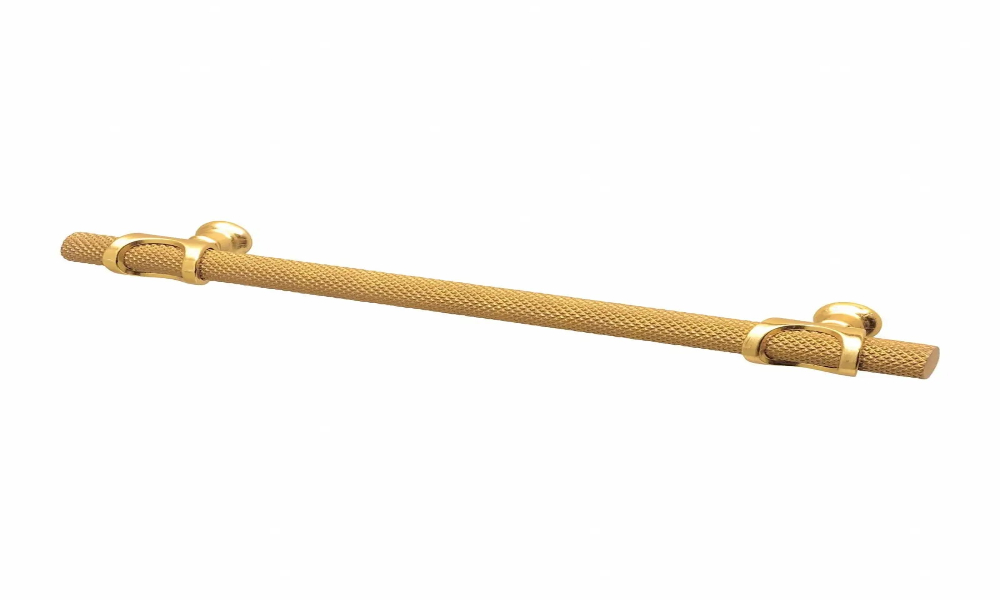
When it comes to enhancing the look and feel of your home, the small details often make the biggest impact. T-bar handles are a prime example of how something as simple as a handle can transform the aesthetics of your space, providing both practicality and style. Whether you’re renovating a kitchen or updating furniture, choosing the right handles can make a huge difference in creating a cohesive and sophisticated look.

I’ve been involved in home decor projects for several years, and through my experience, I’ve found that selecting quality hardware is essential to achieving a polished, professional finish. I’ve come across several options for t bar handles, but what sets certain brands apart is their dedication to both design and functionality.

Why Choose T-Bar Handles?

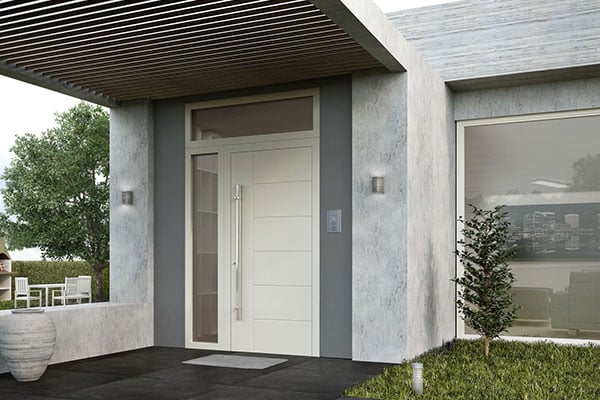
T-bar handles are particularly popular because they blend seamlessly into modern interiors while providing an ergonomic grip. Their sleek, minimalist design fits effortlessly with contemporary decor, yet they also work well in more traditional settings. A wide range of finishes allows you to match them with other design elements in your home, ensuring that everything looks cohesive.

When considering where to source your handles, it’s important to look for a provider that offers variety, quality, and a focus on design integrity. For example, Decor and Decor offers a range of beautifully designed handles that are crafted from superior materials, ensuring both durability and aesthetic appeal.

Stylish T-Bar Handles

The Practical Benefits of T-Bar Handles

Beyond their stylish appearance, t-bar handles are incredibly practical. Their elongated design makes them easy to grip, which is especially useful for heavier drawers or cabinets. They provide a sturdy, tactile feel, making everyday tasks like opening doors or cabinets more efficient. Their simple installation process also makes them a great option for those looking to make a quick but impactful change to their space.

Moreover, the versatility of t-bar handles means they can be used across a variety of applications—kitchen cabinets, wardrobes, or even bathroom vanities. Their design not only complements modern interiors but also enhances functionality, making them a smart choice for homeowners focused on both aesthetics and practicality.

Choosing the Right Handle Provider

When selecting the perfect t-bar handles for your home, it’s essential to go with a brand known for quality and attention to detail. Decor and Decor is a brand that I frequently recommend due to its wide range of handle designs that cater to different tastes. They source their materials carefully, ensuring long-lasting durability without compromising on style.

For those looking to refresh their living spaces with minimal effort, investing in high-quality handles is a great starting point. T-bar handles, with their ergonomic design and sleek aesthetic, provide the perfect finishing touch to any room.

Enhancing Your Space with Simple Changes

Incorporating t-bar handles into your home is a small change that can make a big difference in terms of both appearance and usability. Whether you’re looking for something sleek and modern or prefer a more traditional look, there’s a handle out there that will suit your needs perfectly. When you choose a reputable brand like Decor and Decor, you can be confident that your investment will last for years to come.

With the right choices, you can turn ordinary cabinets or doors into standout features of your home. By paying attention to details like handles, you create a cohesive, well-designed space that feels both functional and luxurious.

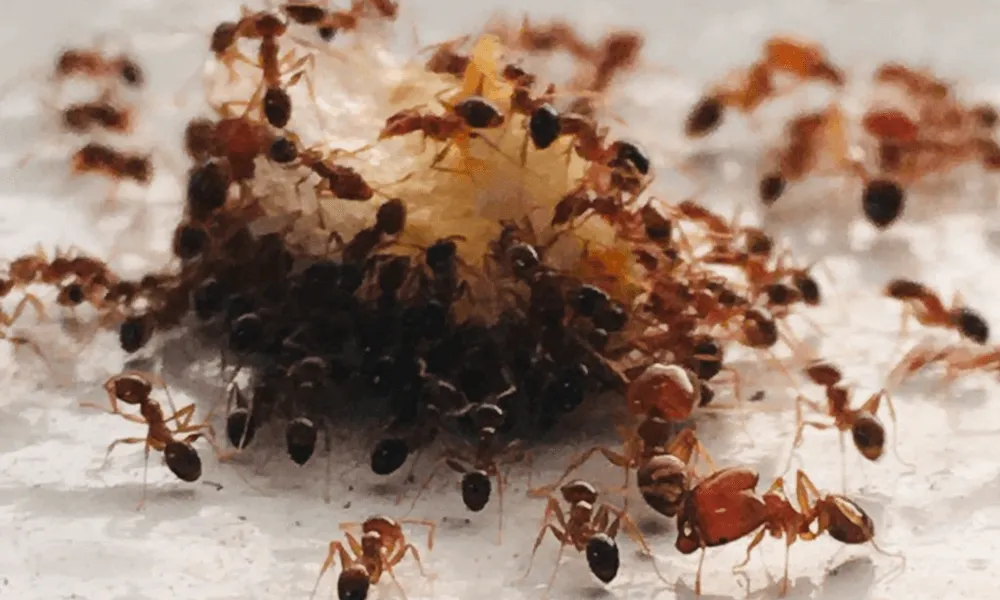
The world of ant colonies is complicated and interesting. It lives under our feet and in our gardens. These tiny bugs live in very well-organized groups, and each one is very important to the life of the colony. 

With its wide range of habitats and warm weather, Florida has a lot of ant nests that can be seen in parks and houses. If you have ants in your Florida home or business, you might want to call a professional pest control service like Monte Verde Pest Control for safe and effective solutions. 

The unique way that ant colonies are organized into societies is what makes them such a natural wonder. 

The queen is the heart of the colony 

Every ant colony has one queen, who is the heart of the community. The ant queen does not give directions like other queens do. Her only job is to lay eggs, and she can do it by the thousands every day! 

These queen ants are much bigger than the other species, and they often have wings that they lose after mating. Queen ants can live for decades, which is a lot longer than other ants. 

Castes and specialized roles form a smooth society

Visualize a city where everyone does the same thing. It would not work very well, would it?

Like cities, ant colonies work well because each person has a specific job to do. A set of rules called castes decides these jobs. Workers are the most popular group. 

Worker ants are the busy bees of the colony 

All worker ants are female, but they can not have babies because they are sterile. The colony’s great majority are this demographic, and they do most of the daily jobs that keep the settlement going. 

Most of the time, young worker ants stay in the nest and take care of the queen, the eggs, and the young ants that are still growing. Worker ants may change jobs as they get older. Some may become foragers and go out to find food for the colony, while others may build and take care of the nest. 

The soldier ants protect the colony 

Some types of ants have a working group called soldier ants that is only responsible for defense. Compared to other workers, these ants are usually bigger and have better jaws. Their job is to keep the group safe from danger and intruders who want to get in. 

Males have a very short life 

Male ants do not live as long as queens and worker ants. Their only goal is to mate with the queen so that the population will live on. After they mate, they die soon after. 

World of Ants

Communication is the secret to their success

Communication is very important for an ant colony to work well because there are so many ants and jobs to do. 

Ants use pheromones, which are chemical smells that are released into the world, to talk to each other in a very interesting way. These smells can warn other ants about danger, show them where to find food, and even lead them back to the nest.

When ants work together and do their specific jobs, they make a society that is much bigger than the sum of its parts. Their complicated social structure lets them do well in a wide range of conditions and makes sure that their community will last for many years to come. 

How to get rid of an ant infestation 

We now know that ant colonies are very complicated communities of creatures living together. Professional companies that get rid of pests can be very helpful when dealing with ant problems. 

Because they know how to spot ant types and understand how they act, they can come up with specific answers. These groups can help get rid of ant colonies and stop future attacks by using safe and effective methods. This keeps the environment free of pests.