
When a school or a retail site asks for a new fence, the brief is simple on paper and complex in practice. You want a secure perimeter, safe access for people, and a build that stands up to constant use. You also want it installed with minimal disruption. If you are looking for fencing near me, start by checking local knowledge, proven installs, and clear method statements. A good place to begin is the guide on fencing near me.
Why schools and retail sites have different risks
Schools need safeguarding first. Children use the space. The fence must prevent climbing, reduce entrapment risk, and control visitor access. It must be tough but not hostile. It should look welcoming to pupils and parents. It must work with gates that staff can operate fast in a fire drill.
Retail sites face theft risk, vehicle movement, and long trading hours. Stockyards need strong, tamper resistant fencing. Service yards have large vehicles and tight turns. Frontages must look neat, match brand colours, and keep sight lines. The right design for each site reduces incidents and reduces call outs.
The design baseline that works
I start every project with a simple design baseline. Define the zone, define the function, and then pick the line, height, and gates. Map how staff, pupils, customers, and deliveries move. Remove blind spots. Avoid pinch points. Keep lighting clear of posts. Keep CCTV views open. Build the fence into how the site works, not as an afterthought.
Height, line, and visibility
For a primary school, a 1.8 m to 2.4 m line in welded mesh or vertical bar often suits. For a retail yard, 2.4 m and above is common to reduce climb risk. Mesh gives good visibility for supervision and CCTV. Solid screens work when you need privacy or acoustic control but can create wind load and hide risk. Use solid panels only where you need them.
Keep the fence line simple. Avoid steps and stops where intruders can hide. In schools, avoid tight corners near play areas. In retail, keep clear space near the fence so staff can patrol and clean.
Materials that match the task
Different sites call for different systems. Each has a role.
- Welded mesh panel systems: A strong default for schools and stores. They are hard to cut, look tidy, and work with CCTV.
- Vertical bar railings: Good around school frontages and retail entrances. They are smart and hard wearing.
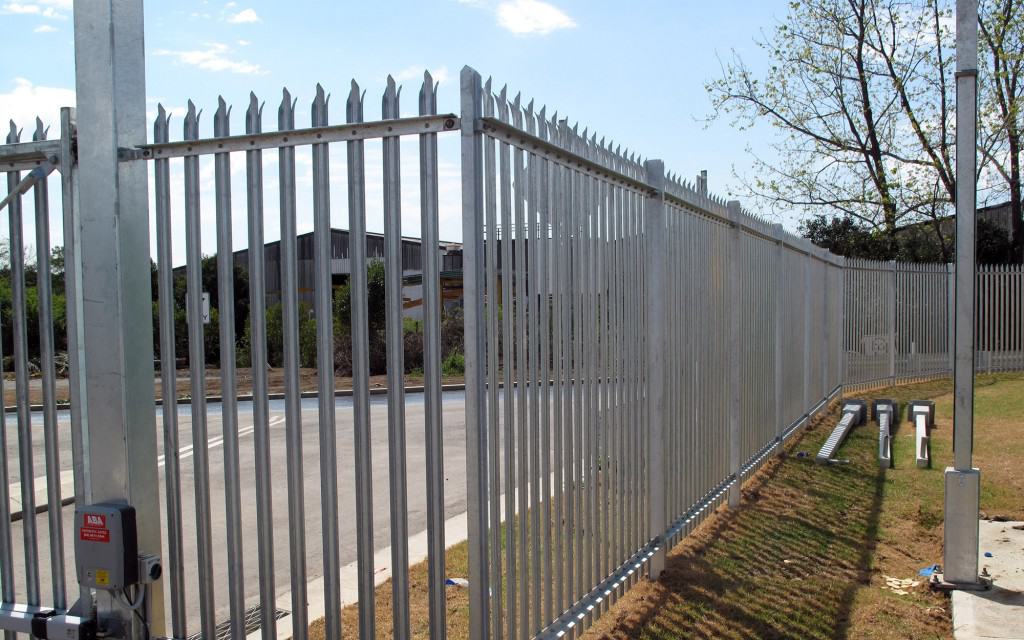
- Steel palisade: A robust choice for back of house and utilities. It deters climbing and lasts.
- Chain link: A budget option for large perimeters if you add top wires and good posts.
- Timber closeboard: Useful for screening and boundary lines in quieter areas. Needs more upkeep.
- Composite boards: Low maintenance, neat look, useful for screening and service zones. If you are reviewing composite fencing cost, consider the higher upfront price against the low maintenance and clean finish over time.
Match steelwork with galvanised and powder coated finishes. In busy public spaces, coatings take scuffs. Choose a finish you can touch up. In coastal or industrial zones, step up the coating spec for corrosion control.
Posts and foundations that stay put
Fences fail at the posts. Depth, concrete quality, and ground conditions decide the life of the fence. Use the post size the system maker recommends. Set posts plumb, at the right centres, with full concrete surround. In poor ground, extend the depth or add larger footings. In paved service yards, use core drilling and reinstate well so you avoid rocking posts. Where vehicles operate near the fence, consider wheel stops or bollards to protect the line.
Gates drive the whole system
A fence is only as good as its gates. In schools, use self closing pedestrian gates with anti slam latches. Protect small fingers with hinge guards. Set clear openings for wheelchair access. Avoid large gaps under leaves. In retail, specify wide, durable vehicle gates for artics and box vans. Add drop bolts that staff can use without strain. For automation, use rated motors, safety edges, and photo beams. Keep manual release simple so staff can open the gate in a power cut.
Integrate gates with the school timetable or store operations. Time visitor entry. Keep delivery routes clear of pupils or customers. Link gates with simple, robust access control. A keypad or fob reader in a steel housing often beats complex systems that staff forget to use.
Choosing the right security level
Do not over spec. Do not under spec. In schools, avoid hostile spikes. Choose anti climb mesh with small apertures near vulnerable areas like MUGAs and equipment stores. In retail, increase strength on rear service yards and loading bays. Add anti lift fixings and tamper proof bolts. Consider topping only where strict risk justifies it and where it will not breach planning or safety policy.
Aesthetic and community fit
Security should not look like a prison. On school entrances, use railings that match the period of the buildings or a clean mesh in a muted colour. In retail, match brand colours on the public face and keep yard fencing in a darker tone to reduce visual impact. Planting can soften lines and protect panels from casual knocks. Leave enough space so plants do not trap moisture against steelwork.
Planning, boundaries, and neighbours
Boundaries can be complex in built up areas. Confirm the legal line and who owns which side. Check for services before you dig. Retail parks often have ducts near entrances. Schools can have old walls, drains, and tree roots near play areas. Where a boundary sits next to housing, consider acoustic fencing to cut noise from playgrounds or deliveries. Keep heights within local rules unless you have consent.
Safety for pupils and the public
In schools, remove toe holds and reduce gaps that can trap a head or a limb. Set pedestrian gates away from vehicle routes. Fit clear signage that staff and visitors will notice. Keep the fence away from play equipment so a fall does not land on a rigid panel. In retail, use bright markings at gate thresholds. Provide safe waiting space for pedestrians outside the swing path of gates. Keep the line clear of sharp fixings and burrs.
Durability and life cycle costs
Good fences last when you buy well and maintain them. Galvanised and powder coated steel gives a long life with low upkeep. Rails and mesh panels resist impact better than thin timber. If you prefer timber for screening, choose pressure treated boards and plan for repainting. Composite boards resist rot and fading and can be a cost effective screen when you factor in time saved on maintenance. When weighing composite fencing cost, compare a 10 year span of cleaning and painting for timber with a simple wash routine for composite.
Installation that respects the timetable
Schools run on fixed schedules. Work outside term times where possible. If not, set barriers, noise windows, and clear routes for staff and pupils. In retail, work around trading hours and delivery slots. A phased plan keeps the site open. When we plan fence installation, we sequence set out, post setting, panel or rail fit, and gates last. We test every latch and closer before handover. We leave the site clean, with spares and maintenance notes.
Repairs that prevent bigger failures
Small issues grow into big costs if you leave them. A loose post often starts with a failed concrete collar. A rattling panel can shear fixings. Book fence repair near me as soon as you spot movement, corrosion at the base, or gaps under rails. For schools, check gate self closers each term. For retail, check locks and drop bolts weekly in busy yards. Routine checks take minutes and extend fence life by years.
Working with the right people
Shortlist local teams with proven work on similar sites. Ask about risk assessments, method statements, and staff checks. In schools, an experienced team will understand safeguarding and DBS needs. In retail, they will understand delivery peaks and traffic plans. Price matters, but so does uptime. Reliable fencing contractors near me keep stores open and keep pupils safe while the job gets done.
A good contractor will give you a straight plan in plain English. They will walk the line with you. They will flag services, tree roots, and poor ground. They will offer options where cost and benefit are clear. They will not push features you do not need. If you are comparing fencing companies near me, use those tests and pick the team that answers questions with detail and calm confidence.
Budgeting without guesswork
Set a scope for each zone. Choose the system, height, and finish. Add gates that match use. Include groundworks and making good. For early budgets, use per metre rates for each system with a separate line for gates. Add a realistic sum for removals and waste. When you need a firmer figure, ask for a site survey and a clear schedule of quantities. This cuts surprise costs during fence installation near me projects and gives you a fair basis to compare bids.
Common mistakes to avoid
- Picking the same fence for every side of the site. Needs differ. Match the system to the risk.
- Ignoring gates until late. Gates set the width, hinge choice, access control, and safety.
- Underestimating ground conditions. Soft ground or buried rubble changes post detail and cost.
- Skipping lighting and CCTV sight lines. A solid panel in the wrong place creates a blind spot.
- Forgetting maintenance. Budget for checks and repainting where needed.
The installation process step by step
Here is how a typical school or retail project runs.
Site survey and design
We walk the whole boundary. We mark services and weak ground. We choose lines, heights, and panel types. We agree gate positions and swing. We plan safe routes for work and tie the schedule to term dates or trading times.
Set out and groundworks
We mark post centres and double check against gates. We dig to the depth the system and soil require. In paved yards we core drill and keep arisings tidy. We pour quality concrete and brace posts plumb. We do not rush curing.
Panels, rails, and fixings
We hang mesh or rails once posts have set. We use the correct brackets, clamps, and tamper proof fixings. We keep lines even and panels level over slopes with a step detail that looks professional.
Gates and access control
We install hinges, closers, locks, and drop bolts. We set latches to close with a firm but safe action. For automated gates, we commission controls with safety checks and training for staff.
Snagging and handover
We walk the fence with you and fix any snags. We clean the site, remove waste, and hand over keys, spares, and a simple maintenance plan.
Schools: special points to plan
Schools need calm, secure spaces. Keep play areas separate from car parks. Use mesh with apertures that resist climbing near sports pitches. Add lockable maintenance gates for grounds staff. Fit self closing pedestrian gates with child safe latches. Place bins and cycle racks well away from fences to remove climbing aids. Paint colours should blend with buildings and landscape. Avoid anything that looks aggressive. The aim is safe control with a friendly face.
Retail: special points to plan
Stores need free flow for customers and a secure back of house. Keep entrance fencing neat, with railings or mesh that match the brand look. Use stronger systems on loading bays and stockyards. Provide a wide, well marked gate for deliveries. Protect the fence with bollards or wheel stops in high traffic areas. Keep pedestrian routes clear and signed near gates. On mixed use sites, cut noise with acoustic panels where deliveries happen early or late.
Maintenance that keeps you in control
Schedule simple checks each month. Walk the line. Look for loose fixings, rust at post bases, and damage from vehicles. Wash down powder coated steel to remove grime and salts. Lubricate hinges with a light maintenance oil. Test self closers and adjust as needed. Keep keys and fobs in a controlled system. Keep a small box of spare brackets and fixings on site so you can make safe the same day if a panel loosens. Planned maintenance is part of good fencing services, not an extra.
Making procurement simple
Write a short, clear brief. Include measured lengths, heights, and any gates. State the hours that work is allowed. Ask bidders to confirm access, waste removal, and making good. Request copies of insurance, training records, and, for school work, DBS confirmation. If you want a local team, make that clear. Searching fencing contractor near me, fencing contractors, or fence company near me will bring up options. Compare not only price but also programme, supervision, and aftercare.
For complex sites or where you need a measured survey, speak to experienced fencing contractors who can produce clear drawings and a phasing plan. A team used to school and retail work will keep noise low, keep routes open, and finish on time. For an overview of our approach and recent projects, visit the main page for fencing contractors.
When repairs beat replacement
Not every problem needs a full new line. If panels are sound but posts have failed at ground level, we can sleeve or replace posts and keep the fence in service. If a gate is dragging, a hinge change or closer swap often fixes it. Where small areas of mesh have been cut, a panel replacement is fast and clean. Search fencers near me and look for teams who offer repair as well as new installs. It shows they value practical fixes over pushing replacements.
Cost clarity for boards and screens
Timber screens look warm and familiar. They suit school gardens and retail boundaries that face homes. They need painting or staining. Composite screens cost more at the start but save time over the years. When you evaluate composite fencing cost, include labour for repainting timber, scaffold or towers for high runs, and the cost of disruption. Composite can be a solid choice near car parks and trolley bays where knocks and scuffs are common.
Matching Leeds and the wider region
Regional weather, ground, and planning culture matter. Clay soils move with wet and dry cycles. Deep footings reduce heave risk. High winds in open retail parks mean larger posts and closer centres on long runs. In mixed residential and commercial zones, planners often prefer railings or mesh over palisade on public frontages. For a sense of local detail, see the page on fencing Leeds which outlines typical materials and finishes for the area used by fencing contractors near me.
Final checks before you commit
Walk the boundary with your chosen contractor. Ask them to point out every risk and every junction. Confirm gate swings and clear widths. Check how they will protect trees, services, and paving. Agree a start date, a daily work window, and a clean site by close of play. Make sure the programme avoids school pick up times or retail weekend peaks. This keeps users safe and the project on track.
Calm, reliable delivery
A good fence blends in, does its job, and needs little attention. Schools gain safe, calm spaces. Retail sites gain order at the busiest times. With clear design, sound materials, and a steady installation plan, commercial fencing can be both secure and discreet. If you plan a project and want plain advice, speak to a local specialist who will listen first, design second, and build with care. Your fence should work hard every day and never get in the way of the people it protects.
