Archive

October 2025

Browsing

Building a custom home is one of the final beneficial expenditures you can make. It allows you to design every detail to fit your behavior, taste, and unending aims. However, individual of the most important challenges homeowners face all along the process is adhering to a sensible budget without incisive corners or sacrificing personality.

The good news is that, accompanied by cautious preparation, smart choices, and the right approach, you can build your dream home while confinement costs are in control.

Here are a few essential budgeting tips to help you build custom homes efficiently without compromising on the character you deserve.

Start with a Clear and Detailed Plan

The more specific you are again, the less likely you will face costly changes later. Work closely accompanying your architect and the architect to finalize floor plans, elevations, and qualifications before construction starts. Even small design changes all along the building point can lead to budget overruns on account of material waste or schedule delays.

Set a Realistic Budget

An ordinary mistake homeowners make is underestimating the actual cost of building a ritual home. To avoid economic stress later, set a realistic budget that covers all facets of the project — from land acquisition and design fees to permits, serviceability, landscaping, and interior finishes.

In addition, include a possibility fund of around 10–15% of your total budget. Unexpected expenses are inevitable in building, whether on account of material price increases, unforeseen home conditions, or last-minute upgrades. Having a commercial cushion allows you to handle these positions comfortably outside compromising on character.

Quality is Important

When budget constraints stand, it is better to focus on condition rather than sheer size or number of features. A tinier home built accompanying high-quality fabrics will always outlive and outperform a best home built economically. You can also discuss with your luxury home builder about this topic.

Identify which facets of your home matter most — such as structural honor, insulation, or energy-efficient orders — and allocate the best portion of your budget there. You can forever enhance aesthetics or non-essential features later, but the foundation, framing, and cover should never be embarrassed.

Material Choice

Discuss alternatives with your contractor — many modern ingredients mimic the look and performance of premium alternatives without the extreme cost. Keep an open mind to substitutions that maintain both visual appeal and general value.

Do not make last-minute Changes

One of the biggest budget killers in custom home construction is changing your mind midway through the project. Even small alterations can have a domino effect on materials, labor, and slating. To prevent unneeded expenses, make your decisions early and withstand the urge to create impulsive upgrades once the concoction begins.

If changes are certainly essential, debate them, accompanying your builder promptly to learn the cost and opportunity implications before moving forward.

Conclusion

Building a custom home on a budget does not mean enduring feature or style. With appropriate planning, smart material selections, and the counselling of a reliable contractor like Red White and Blue Construction, you can realize a home that indicates your personality and stands the test momentary.


An oven is one of the most relied-upon appliances in any home, used daily for cooking meals, baking treats, and reheating leftovers. However, when it starts acting up—whether it’s uneven heating, strange noises, or complete failure to turn on—many homeowners ignore the early warning signs. What seems like a minor issue today can quickly become a major expense tomorrow. Timely oven repairing not only restores efficiency but also prevents the need for an expensive replacement. Let’s explore how professional intervention at the right time can save you money, extend the life of your appliance, and ensure your kitchen remains fully functional.


Understanding Why Timely Repairs Matter

Every oven, regardless of brand or model, goes through normal wear and tear. Heating elements degrade, thermostats lose calibration, and electrical components weaken over time. When these problems are ignored, they strain other internal parts, accelerating overall damage.

For instance, a malfunctioning heating element forces the oven to overcompensate, leading to overheating and premature burnout of other components. A faulty thermostat might cause undercooking or overcooking, which not only wastes energy but also puts extra stress on internal wiring. By scheduling prompt repairs, these small issues are caught early—before they spread and turn into system-wide failures.


Common Oven Issues That Require Immediate Attention

Understanding the early symptoms of oven trouble can help you act before it’s too late. Here are some of the most common issues professionals address:

  1. Uneven Heating: Often caused by a burnt-out heating element or faulty temperature sensor. This affects food quality and energy efficiency.
  2. Oven Not Turning On: Could stem from a damaged fuse, control board failure, or loose electrical connections.
  3. Inaccurate Temperature: A malfunctioning thermostat can cause the oven to heat inconsistently or not reach the desired temperature.
  4. Strange Odors or Smoke: May indicate burning food residue, faulty wiring, or overheating parts that need immediate inspection.
  5. Door Seal Problems: A loose or worn gasket allows heat to escape, forcing the oven to use more energy and leading to uneven cooking results.
  6. Noisy Operation: Grinding or buzzing sounds may point to issues with the fan motor or circulation system.

Addressing these problems early not only saves repair costs but also prevents potential hazards such as electrical fires or gas leaks.


How Early Repairs Save You Money

One of the biggest benefits of timely oven repairs is cost efficiency. Minor repairs are often inexpensive and quick to complete, while neglect can lead to full component replacements or even a new oven purchase.

For example:

  • Replacing a heating element costs far less than replacing a control board that fails due to prolonged overheating.
  • Fixing a faulty thermostat early can prevent wasted electricity from repeated reheating cycles.
  • Cleaning and servicing fan motors before they seize up can avoid damage to the entire convection system.

Preventive maintenance, combined with prompt service, can add several years to your oven’s lifespan—helping you avoid premature appliance replacement and high utility bills.


Professional Approach to Oven Repairing

A qualified technician follows a precise step-by-step process to identify and resolve issues efficiently. It typically includes:

  1. Initial Inspection: Visual assessment for loose wiring, burnt marks, or corrosion.
  2. Diagnostic Testing: Using tools like multimeters to check voltage flow and continuity in heating elements, fuses, and thermostats.
  3. Component Analysis: Inspecting fans, sensors, and door seals for damage or malfunction.
  4. Part Replacement: Installing genuine manufacturer-approved components to ensure safety and reliability.
  5. Performance Verification: Running test cycles to confirm accurate temperature regulation and efficient heating.

This structured approach ensures your oven operates safely and efficiently for years to come.


Preventing Future Oven Damage

Regular maintenance goes hand in hand with timely repairs. Professionals recommend cleaning spills immediately, avoiding aluminum foil on heating elements, and inspecting door gaskets periodically. Scheduling annual maintenance checks can help detect early wear before it escalates into serious breakdowns.

By adopting these proactive measures, you not only extend your oven’s life but also maintain consistent cooking performance and energy savings.


Choosing the Right Repair Experts

When it comes to appliance care, choosing a trusted service provider makes all the difference. Certified technicians bring both experience and precision to the job, ensuring your oven is repaired correctly the first time.

Homeowners who rely on services like Honest Guys oven repairing benefit from skilled diagnostics, genuine replacement parts, and transparent pricing. Their professionals emphasize preventative maintenance, helping customers save money in the long run while keeping their appliances running smoothly.


Final Thoughts

Timely oven repairing is not just about fixing what’s broken—it’s about preserving efficiency, safety, and value. By addressing issues early, you prevent further damage, reduce energy waste, and extend your appliance’s lifespan. Neglecting small signs of trouble can turn a simple fix into a costly replacement, but with regular care and professional expertise, your oven can continue serving your household reliably for many years.

In Glendale, the familiar sound of splashing water is slowly giving way to something quieter — the rustle of garden leaves, the crackle of patio fire pits, and the hum of simpler living. The shift isn’t sudden, but it’s unmistakable. More and more homeowners in Glendale AZ are looking at their once-prized backyard pools and thinking, “Maybe it’s time.”

When Luxury Becomes Labor

A swimming pool was once the crown jewel of Arizona living — an oasis against the heat, a badge of success. But times have changed. Between high maintenance costs, water restrictions, and energy concerns, owning a pool has begun to feel less luxurious and more laborious.

The average pool owner now spends hundreds of dollars a month on chemicals, electricity, and cleaning. Add the endless leaf-skimming, pump repairs, and resurfacing, and the equation quickly tips from pleasure to pressure.

It’s no wonder why swimming pool removal has become a rising trend among Glendale homeowners.

Rethinking the Space You Already Own

Instead of seeing removal as a loss, residents are reimagining what that space can be. A vegetable garden? An outdoor kitchen? A shaded play area? The possibilities are endless once the pool is gone.

For many, pool demolition is about more than reclaiming square footage — it’s about reclaiming lifestyle. And thanks to local experts like Phoenix Pool Demolition, the process has never been simpler. They handle everything from assessment and permitting to debris removal, leaving behind a clean canvas for homeowners to redesign their dream backyard.

A Smarter Choice for Glendale Arizona Living

In Glendale Arizona, sustainability is no longer a buzzword — it’s a necessity. Reducing water usage, cutting down energy waste, and choosing low-maintenance landscapes all align with a new wave of conscious living.

Through swimming pool demolition or pool removal, residents are aligning with that mindset. The change also brings measurable benefits — lower insurance, higher property flexibility, and reduced long-term costs.

In a state where every drop of water matters, letting go of an underused pool isn’t giving up — it’s growing up.

Getting Rid of the Pool, Gaining Peace of Mind

Of course, saying goodbye to something that’s been part of family life for years isn’t always easy. Memories linger like reflections on the surface — birthdays, cannonballs, late-night swims. But every new season calls for new memories.

So if you’re ready to get rid of your pool, think of it as an evolution, not an ending. Glendale is redefining what comfort looks like — and it’s less about splashing around, and more about simply living well.

Overview of SES Septic Services

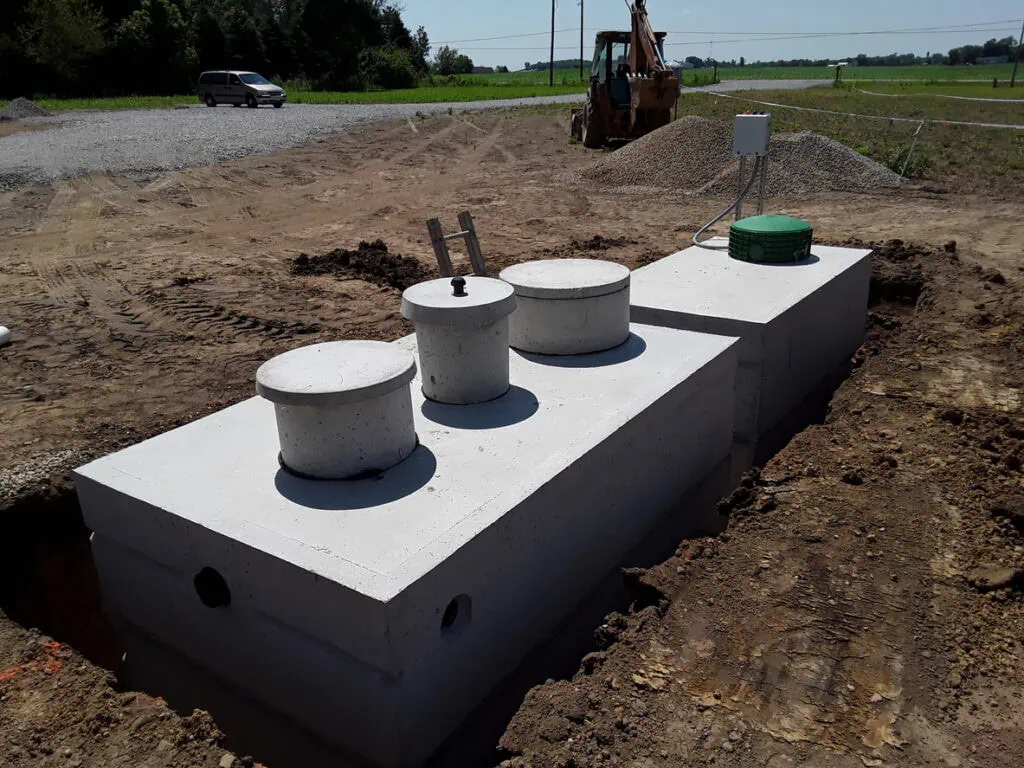
SES is a leading provider of septic services in Northern Virginia. With decades of experience, the company has established itself as a trusted partner for homeowners and businesses alike. The firm specializes in various aspects of septic system management, from installation to repair and maintenance, ensuring that clients receive comprehensive solutions tailored to their needs.

Comprehensive Septic System Solutions

Septic System Design and Installation

When it comes to laying the groundwork for a reliable septic system, SES offers a robust design and installation service. Their team of certified professionals ensures that each septic system is designed to meet local regulatory requirements while accommodating the specific demands of the property. SES ensures that every installation is carried out with precision, using high-quality materials that guarantee longevity and reliability.

Septic System Maintenance

Regular maintenance is crucial for the optimal functioning of septic systems. SES provides scheduled maintenance services that include detailed inspections and cleaning to prevent potential issues. Their approach to maintenance is thorough, aiming to extend the life of the system while ensuring it operates efficiently. SES’s team is equipped to handle various maintenance tasks, relieving property owners of the burden of managing these systems themselves.

Septic Repairs and Troubleshooting

In the event of a septic system failure or malfunction, SES offers expert repair services. Their technicians are skilled in diagnosing and fixing a wide range of issues, minimizing downtime and inconvenience for clients. By employing advanced techniques and tools, SES ensures that repairs are done right the first time, reducing the likelihood of future problems.

Why Choose SES for Your Septic Needs?

Expertise and Experience

With a history spanning several decades, SES has honed its expertise in the septic industry. Their team consists of highly trained professionals who bring a wealth of knowledge to every project. This experience positions SES as a leader in providing top-notch septic solutions in Northern Virginia.

Customer-Centric Approach

SES is committed to customer satisfaction. They work closely with clients to understand their unique needs and provide personalized solutions. This client-focused approach ensures that SES builds long-lasting relationships based on trust and reliability.

Comprehensive Service Offering

From initial installation to ongoing maintenance and urgent repairs, SES covers all aspects of septic management. This comprehensive service offering means clients can rely on a single provider for all their septic needs, simplifying the process and providing peace of mind.

How to Get Started with SES

Getting started with SES is straightforward. Interested parties can visit their official website to learn more about their services and reach out for consultations. Their responsive customer service team is ready to assist with any inquiries, making the process seamless from start to finish. Additionally, clients can explore detailed resources such as service area information to determine if their location is within SES’s operational scope in Northern Virginia.

Additional Resources

For those interested in more in-depth information about septic systems, the United States Environmental Protection Agency offers a wealth of information on septic system types, maintenance tips, and troubleshooting guidelines. Furthermore, the National Environmental Services Center provides educational materials and resources to help homeowners and professionals alike understand the intricacies of septic systems.

Overall, SES’s commitment to quality and customer satisfaction makes them the go-to provider for septic services in Northern Virginia. Their comprehensive service offerings and expert team ensure that clients receive reliable, efficient, and effective solutions for all their septic system needs.

Water damage is like the silent killer of homeownership. People always freak out about termites or foundation cracks, but honestly? A leaky pipe or a sneaky roof drip can wreck your whole vibe — and your wallet. Even a tiny puddle where it shouldn’t be, and boom, you’re looking at a headache like Water Damage Restoration Arizona that doesn’t quit. It’s not just about drying out the carpet, either. 

Way Water Damage Messes with Your Home’s Value – That’s the Real Kicker

Buyers and realtors have Spidey-senses for this stuff. You think you’ve covered it up, slapped on a little paint, but nope, they’ll sniff out that past water drama faster than you can say “open house.” Even if you fixed everything, just the hint of old water issues can chop 5% to 20% off your asking price, depending how gnarly it was or if mold’s lurking. That’s thousands of bucks, just evaporating.

Appraisers? Oh, they’re not letting anything slide. Any sketchy repairs or half-baked fixes, and suddenly your home’s “less desirable.” Lenders get twitchy too. Banks aren’t itching to throw money at a place with a soggy history, so your pool of buyers just shrunk.

How Water Just Finds the Weakest Link 

It sneaks in, starts rotting the wood, warping floors, messing up insulation — next thing you know, you’ve got mushrooms growing in your drywall. (Okay, maybe not mushrooms, but you get the idea.) Mold and mildew? That’s a whole different nightmare alongside Sewage Cleanup and Sanitation Arizona. Not only is it gross, it’s straight-up dangerous for your health. People walk into a house and catch a whiff of musty air, and suddenly they’re thinking about their kid’s asthma and bolting for the door.

When you think of Mold Remediation Arizona, honestly, it’s the home value boogeyman. Even after you fix the leak, if you don’t dry things out like a pro, mold will pop up behind the scenes. Cleaning it up? That can cost you an arm and a leg. And once a house is known for having mold, good luck shaking that rep — might as well try selling a haunted mansion.

There’s No Point in Hiding the Damage

Most places, you gotta spill the beans legally — all the soggy details and what you did to fix it. Yeah, being upfront is the right move, but it’s not exactly a selling point. Still, if you’ve got paperwork from pros, reports, warranties, all that jazz, it helps put buyers at ease. Sort of like showing your work in math class — nobody likes it, but it helps.

How to Keep Your Place from Turning into a Money Pit

For those that want to stay on top of maintenance, check your roof, gutters, pipes, you name it. See dampness? Move fast. The longer you wait, the bigger the mess. And please, don’t try to MacGyver a fix with duct tape and hope. Call someone who actually knows what they’re doing. Save all your repair receipts, take photos, keep a little water-damage diary if you have to. And if you’re really serious, invest in waterproofing — sump pump, foundation sealing, whatever gives you peace of mind.

Water damage isn’t just an ugly stain. Water Damage Restoration Arizona is a threat to your home’s bones, your bank account, and your sanity. Keep it under control and document like your life depends on it, and you’ll be way ahead when it’s time to sell, or just sleep at night without worrying about what’s growing in your walls.

Architecture is a long apprenticeship—part craft, part coordination, and part stewardship. The studios that consistently promote emerging designers into confident project leaders tend to share repeatable habits that turn day-to-day work into structured growth. Here are ten mentorship rituals that build skills, judgment, and presence—without relying on chance.

1) Weekly “Pin & Probe”

Once a week, junior designers pin up in-progress work for a focused 30-minute critique. The twist: mentors ask only probing questions—no redlining, no taking the pen. “What are your governing constraints?” “Where is the load path?” “Which two moves deliver 80% of the value?” The questions sharpen decision-making and help designers learn to defend and refine their own ideas.

2) Shadow–Switch Client Meetings

New designers first shadow client meetings to observe cadence, scope control, and how to navigate disagreement. On the second or third meeting, roles switch: the junior runs the agenda while a mentor observes silently and debriefs afterward. By “flying the plane” early—safely—designers internalize how to frame options, translate technical tradeoffs, and keep momentum.

3) Redline Fridays with Rationale

Redlines are a staple, but the learning happens in the why. Each Friday, mentors annotate a key sheet set and attach a two-minute voice note for each cluster of changes: “We align grids here to reduce rebar congestion,” or “This note prevents field RFIs.” The rationale bundle turns markups into portable lessons that stick.

4) Cross-Discipline Office Hours

Leadership requires language across structures, MEP, landscape, and cost. One hour a week, discipline leads hold open office hours where juniors bring one live issue: a shear wall boundary, diffuser placement vs. soffit, or plant palette under eave drip lines. Repetition builds a mental “Rolodex” of patterns and teaches how to ask the right question at the right time.

5) Budget & Schedule “Truth Sessions”

Designers can’t lead if budgets are mysterious. Monthly, a mentor walks a small group through a real project’s fee burn, contingency, and schedule float. Participants forecast the next milestone and propose tradeoffs to stay on track. Seeing the numbers demystifies constraints and trains future leads to protect scope without sacrificing intent.

6) Field Walks with a Punch-List Lens

Construction sites are the best classroom. Mentors structure field walks around a punch-list lens: “Find five things that would become change orders if missed.” Designers learn to scan for flashing terminations, anchor spacing, control joint alignment, and ADA pinch points. Back in the studio, they update details and notes to prevent the same issues upstream.

7) Micro-Leadership Rotations

Leadership is a muscle. Assign juniors rotating captain roles on small deliverables—coordination sprints, visualization packages, or permit resubmittals. The captain owns the checklist, schedule, and stakeholder comms, while a mentor provides guardrails. The scope is small enough to be safe, substantial enough to feel real.

8) “Two Options + One Recommendation”

Great project leaders narrow choices. For every major decision—façade articulation, structural scheme, unit mix—juniors present two viable options and one recommendation. The ritual builds comparative analysis skills, aligns teams faster, and teaches designers to synthesize data, risk, and client goals into a clear point of view.

9) Storycraft Workshops

Leaders persuade. Quarterly workshops focus on narrative: one page, three beats—Context, Tension, Resolution. Designers practice turning constraints into design drivers, showing how details ladder up to urban and human outcomes. The same structure strengthens community presentations, entitlement hearings, and interviews.

10) Mentoring the Next Person

The moment a designer becomes capable at a task, they teach it to someone newer: sheet setup conventions, naming standards, parametric families, or RFI logs. Teaching solidifies mastery and reinforces the studio’s culture of shared ownership. A simple rule—“document as you go and leave breadcrumbs”—keeps knowledge from bottlenecking.

How These Rituals Add Up

Together, these rituals move designers along three tracks at once:

  • Technical depth: Redlines with rationale, cross-discipline hours, and field walks build a durable base of know-how that survives software changes and novelty.
  • Operational fluency: Budget/schedule sessions and micro-leadership rotations cultivate planning, delegation, and risk management—the scaffolding of any successful project.
  • Communication & presence: Pin-ups, client meeting handoffs, and storycraft workshops sharpen narrative and negotiation skills so ideas land with clients, communities, and consultants.

The compounding effect is powerful. Designers start to anticipate collisions—between structure and glazing, budget and scope, entitlement and neighborhood context—before they happen. They learn to translate constraints into creativity, to run crisp meetings, and to make calls with humility and clarity.

Implementing the Rituals

Start small: adopt one or two practices and run them consistently for a quarter. Track simple metrics—RFIs avoided, change orders reduced, on-time submittals, or client satisfaction after meetings led by juniors. Pair each ritual with artifacts: voice-noted redlines in a shared library, meeting agendas and debrief templates, field-walk checklists, and a “decision log” format for Two Options + One Recommendation.

Above all, keep mentorship visible and time-boxed. Thirty minutes of focused repetition beats sporadic marathons. When new leaders emerge, invite them to refine the rituals—mentorship evolves with the studio, not apart from it.

In a city where design is scrutinized by clients, communities, and regulators alike, mentoring isn’t a perk—it’s infrastructure. Rituals like these build confident, accountable project leads who elevate teams and outcomes across the spectrum of LA architectural designers.

Picture this: it’s a quiet Saturday morning, and suddenly, your bathroom sink starts behaving like a miniature fountain. Panic sets in, visions of soggy carpets dance in your head, and you realize your sewer system has decided to throw a tantrum. Yes, sewers can be dramatic, but luckily, you don’t have to face them alone.

Recognizing the Red Flags

Not all sewer problems announce themselves with a geyser. Some are sneaky:

  • Slow drains that refuse to cooperate

  • Strange odors creeping from your pipes

  • Gurgling sounds coming from unexpected places

  • Sudden puddles in the yard

Ignoring these warning signs may seem tempting, but it’s a recipe for bigger headaches later. Early intervention saves money, stress, and possibly your weekend plans.

Why Professional Help Matters

When things go south, a professional sewer contractor is your best ally. Attempting DIY fixes can turn a minor clog into a full-blown emergency. Experts come armed with the right tools, training, and experience to diagnose the issue and implement solutions efficiently.

From sewer repair to sewer replacement or even full sewer installation, professionals ensure your system works smoothly without the guesswork. They know the difference between a temporary fix and a lasting solution—and trust us, your home will thank you.

Services You Might Need

A competent sewer service can handle a variety of problems:

  • Clearing stubborn clogs with high-powered equipment

  • Repairing broken or cracked pipes

  • Replacing old lines before they fail

  • Installing new sewer systems with precision and compliance

The right team ensures minimal disruption to your home while delivering results that last for years.

 Quick Tips for Sewer Health

Even after a professional visit, you can take steps to keep your sewers happy:

  • Avoid flushing non-degradable items

  • Regularly check for slow drains or odors

  • Schedule routine inspections for peace of mind

Prevention is always better than emergency fixes, and a little attention goes a long way.

Final Thought

Sewer issues may be unpleasant, but they don’t have to ruin your day. With expert sewer repair services and timely maintenance, you can keep your pipes flowing smoothly and your home drama-free. Remember, the right sewer contractor makes all the difference—turning plumbing nightmares into a well-oiled (or well-drained) reality.

For real estate investors, DSCR loans (Debt Service Coverage Ratio loans) are one of the most flexible financing options available. They allow you to qualify based on the rental income of the property rather than your personal income. But the big question remains: “How do I qualify for a DSCR loan?” This guide breaks down the exact steps, requirements, and tips you need to successfully secure financing.

Step 1: Understand What a DSCR Loan Is

Before applying, it’s important to know how DSCR loans work. Instead of verifying your tax returns, W-2s, or pay stubs, lenders focus on whether the property generates enough income to cover its loan payments.

The formula is:

DSCR=Net Operating Income (NOI)Total Debt ServiceDSCR = \frac{\text{Net Operating Income (NOI)}}{\text{Total Debt Service}}DSCR=Total Debt ServiceNet Operating Income (NOI)​ 

  • NOI (Net Operating Income): Rental income minus expenses.
  • Debt Service: Mortgage payments (principal + interest).

Most lenders want a DSCR ratio of at least 1.25, meaning the property earns 25% more than its loan obligations.

Step 2: Meet the Credit Score Requirements

One common question is: “What credit score is needed for a DSCR loan?”

Most lenders require a minimum credit score of 620–680, though higher scores (700+) will unlock better rates and terms. Even though personal income isn’t verified, credit history is still used to measure risk.

Step 3: Save for the Down Payment

Another question investors ask: “How much down payment is required for a DSCR loan?”

The typical range is 20–25%, though some lenders may require more for riskier properties like short-term rentals. Having a larger down payment also improves your chances of approval and can lower your interest rate.

Step 4: Provide Rental Income Documentation

Since lenders rely on property performance, you’ll need to prove rental income potential. This usually means:

  • Existing leases (for properties already rented).
  • Market rent appraisals (if the property is vacant).
  • Rent rolls for multi-family properties.

Lenders want to ensure your rental income comfortably covers the mortgage.

Step 5: Calculate Your DSCR Ratio in Advance

If you’re wondering, “How do lenders calculate DSCR loans?”, it’s all about the DSCR ratio.

Example:

  • Rental income: $2,000 per month
  • Expenses (taxes, insurance, management): $500
  • NOI = $1,500
  • Monthly mortgage = $1,200

DSCR=1,5001,200=1.25DSCR = \frac{1,500}{1,200} = 1.25DSCR=1,2001,500​=1.25 

This ratio shows your property generates 25% more than the loan payment—a number lenders like to see.

Step 6: Maintain Strong Property Management

Good property management can improve your rental income, reduce vacancies, and boost NOI. Lenders consider this when reviewing your application, especially for short-term rental properties like Airbnb.

Step 7: Prepare Additional Requirements

Even though DSCR loans don’t require tax returns or pay stubs, lenders may still ask for:

  • Valid ID and credit report
  • Proof of reserves (cash savings for emergencies)
  • Property appraisal

Being prepared speeds up the approval process.

Do DSCR Loans Require Income Verification?

A common concern is: “Do DSCR loans require income verification?”

The answer: No personal income verification is required. Unlike traditional mortgages, DSCR loans are based entirely on property cash flow, not your personal W-2s or tax documents.

Tips to Improve Your Chances of Approval

  1. Aim for a higher DSCR ratio – Target 1.25 or above.
  2. Choose strong rental markets – Properties in high-demand areas perform better.
  3. Improve credit score – Pay down debts and fix errors on your report.
  4. Have reserves – Show you can handle unexpected vacancies or repairs.
  5. Shop lenders – Each lender has different DSCR loan requirements.

Common Mistakes to Avoid

  • Overestimating rental income.
  • Ignoring expenses like insurance or maintenance.
  • Applying with a DSCR ratio too close to 1.0.
  • Not having enough cash for the down payment.

Conclusion

Qualifying for a DSCR loan doesn’t have to be complicated. By focusing on your property’s cash flow, maintaining a healthy DSCR ratio, and preparing the right documents, you can secure financing even without personal income verification. For real estate investors, DSCR loans provide the flexibility needed to build and scale portfolios successfully.