Archive

February 2025

Browsing

A fireplace adds warmth and comfort to any home, but without proper maintenance, it can become a significant fire hazard. Creosote buildup, structural damage, and blockages can all increase the risk of chimney fires or carbon monoxide leaks. This is why Professional Chimney Services are essential for homeowners who want to ensure safety while enjoying their fireplace.

Regular chimney inspections, cleaning, and repairs help prevent fire hazards and keep your home protected. Here’s how professional chimney services reduce risks and improve fireplace safety.

1. Removing Creosote Buildup to Prevent Fires

Creosote is a highly flammable substance that forms inside chimneys when wood is burned. Over time, it accumulates on the walls of the chimney and can ignite if not removed properly.

✔ Stage 1 Creosote: Light buildup that can be brushed away easily.
✔ Stage 2 Creosote: A thicker, tar-like substance that requires professional cleaning.
✔ Stage 3 Creosote: A hardened glaze that is extremely dangerous and highly combustible.

Professional chimney sweeps use specialized tools and cleaning agents to safely remove creosote buildup, reducing the risk of a chimney fire.

2. Detecting and Repairing Structural Damage

Cracked chimney liners, loose bricks, or deteriorating mortar can lead to dangerous situations. Structural issues can allow flames, heat, or harmful gases to escape into your home. Professional chimney technicians inspect for:

✔ Cracks in the chimney flue that could let fire spread to walls.
✔ Loose or missing bricks and mortar that weaken chimney stability.
✔ Damage to the chimney crown or cap, which protects against moisture and debris.

By addressing structural concerns early, professional services prevent costly repairs and fire hazards.

3. Preventing Blockages and Carbon Monoxide Poisoning

Chimney blockages can be caused by bird nests, leaves, soot buildup, or even small animals getting trapped inside. These obstructions prevent proper ventilation, leading to:

✔ Smoke backing up into the house.
✔ Dangerous carbon monoxide accumulation.
✔ Poor airflow, reducing fireplace efficiency.

Professional chimney sweeps clear blockages to ensure proper ventilation, reducing the risk of dangerous gas exposure.

4. Ensuring Proper Chimney Cap and Damper Functionality

A chimney cap keeps out rain, animals, and debris, while a damper helps control airflow when the fireplace is not in use. If either of these components is damaged, your chimney could be vulnerable to:

✔ Increased moisture, leading to mold and structural decay.
✔ Birds or rodents nesting inside the chimney.
✔ Draft problems that make heating inefficient.

Professional inspections ensure these components are in good working order, protecting your home year-round.

5. Compliance with Fire Safety Standards

Professional chimney services follow industry safety guidelines, ensuring that your chimney meets National Fire Protection Association (NFPA) and local building code standards. Regular inspections help:

✔ Keep your chimney compliant with fire safety regulations.
✔ Identify hazards before they become serious threats.
✔ Provide documented records for homeowners’ insurance claims if needed.

Hiring certified professionals ensures that your chimney is maintained to the highest safety standards.

6. Extending the Life of Your Fireplace and Chimney

A well-maintained chimney lasts much longer and performs better. Regular cleaning and inspections:

✔ Reduce wear and tear on chimney components.
✔ Improve heating efficiency by ensuring proper airflow.
✔ Prevent costly emergency repairs by catching issues early.

Professional chimney services help homeowners get the most out of their fireplaces while keeping them safe.

Conclusion

Neglecting chimney maintenance can lead to dangerous fire hazards, structural issues, and carbon monoxide risks. By investing in Professional Chimney Services, homeowners can enjoy a safe, efficient, and long-lasting fireplace. Regular inspections, cleanings, and repairs ensure that your chimney functions properly and complies with fire safety regulations.

A clutter-free home isn’t just about keeping things tidy—it’s about creating a space that feels open, peaceful, and efficient. But with busy lifestyles, accumulating belongings is inevitable. Over time, it becomes harder to find places for everything, leading to messy countertops, overflowing closets, and rooms that feel more cramped than they actually are.

The key to conquering this challenge isn’t about getting rid of everything you own. It’s about maximizing every inch of your home by using hidden storage solutions—smart, seamless, and often overlooked spaces that can be transformed into valuable storage areas.

By incorporating clever storage hacks, you can free up space, reduce visual clutter, and make your home feel bigger and more organized—without sacrificing style or comfort. Whether you live in a tiny studio apartment or a spacious house, these hidden storage ideas will help you reclaim your home and enjoy a more organized life.

It’s All about Smart Storage

A truly organized home isn’t one that’s simply neat—it’s one where everything has a designated place. Traditional storage solutions like shelves, closets, and drawers are helpful, but they’re not always enough. That’s where smart storage comes in.

Instead of cramming items into already-full spaces, smart storage makes use of:

  • Underutilized areas – such as the space under your bed, behind doors, or beneath staircases.
  • Multi-functional furniture – like ottomans with hidden compartments or beds with built-in drawers.
  • Invisible storage solutions – such as toe-kick drawers in the kitchen or secret panels in walls.

By incorporating hidden storage into your home, you maximize space without making your home look cluttered—allowing you to maintain a sleek, streamlined look while still having everything you need at your fingertips.

Most people don’t realize just how much visual clutter affects their daily life. Piles of paper on countertops, shoes scattered in the hallway, or stuffed cabinets can make a home feel chaotic and stressful. Hidden storage plays a key role in creating a sense of calm and order by:

  • Reducing visible clutter – keeping items neatly stored away instead of piling up in plain sight.
  • Making your home feel larger – when things aren’t cluttering surfaces, spaces naturally appear more expansive.
  • Enhancing accessibility – with organized, hidden storage, you know exactly where everything is.
  • Increasing safety – especially in homes with kids or pets, keeping sharp objects or fragile items out of reach prevents accidents.

A well-organized space isn’t just more visually appealing—it also creates a functional, stress-free home environment.

Secret Storage

Clever Kitchen Storage Solutions

The kitchen is one of the most frequently used spaces in any home, which makes it prone to clutter. But by using hidden storage, you can keep your kitchen clean and functional without sacrificing counter space.

  • Behind-the-door spice racks. Instead of cluttering your shelves with spice jars, install slim racks on the inside of pantry or cabinet doors. This allows easy access while freeing up valuable shelf space.
  • Toe-kick drawers. The space beneath your lower cabinets is usually wasted—but it doesn’t have to be. Toe-kick drawers can store baking trays, cutting boards, or even pet bowls, utilizing a hidden area that’s often overlooked.
  • Hidden pull-out pantry shelves. Deep pantry shelves can become a black hole for ingredients. Pull-out pantry shelves slide forward, allowing easy access to everything, so you never lose items in the back.
  • Magnetic knife strips inside cabinet doors. Bulky knife blocks take up counter space. A magnetic strip mounted inside a cabinet keeps knives organized and out of sight while remaining easily accessible.
  • Under-cabinet hanging jars. Screw jar lids to the underside of your upper cabinets and use the jars for spices, nuts, or small snacks. This creative hanging storage system frees up shelf space while keeping dry goods within reach.

Sneaky Bedroom Storage Ideas

A bedroom should be a calming retreat, but clutter can make it feel chaotic. These hidden storage hacks will help maximize space while keeping everything neatly tucked away.

  • Under-bed drawers. Instead of shoving items under your bed in a disorganized mess, use built-in drawers or rolling storage bins to keep seasonal clothes, extra shoes, or linens neatly stored and dust-free.
  • Storage headboards. A headboard with built-in shelves, drawers, or hidden compartments provides extra storage for books, charging cables, and bedtime essentials without cluttering nightstands.
  • Floating nightstands with secret compartments. Wall-mounted nightstands keep the floor clear, making small bedrooms feel more spacious. Choose one with a hidden compartment to store valuables like jewelry or important documents.
  • Over-the-door shoe organizers. These versatile organizers can also be used to store accessories, beauty products, or cleaning supplies—keeping small items neatly stored but still easily accessible.
  • Fold-down desks. For those who work from home but lack office space, a wall-mounted fold-down desk provides a workspace when needed and tucks away neatly when not in use.

Living Room Storage Hacks You Haven’t Considered

Living rooms often double as entertainment spaces, so storage can be tricky. Here’s how to keep everything functional and stylish:

  • Hidden ottoman storage. Choose an ottoman with a lift-up top or pull-out drawers to store throw blankets, magazines, or board games.
  • Wall-mounted shelving with secret compartments. Floating shelves with hidden drawers are perfect for storing important documents, remote controls, or small valuables.
  • Coffee tables that double. A coffee table with hidden compartments provides a place to store coasters, remotes, and other living room essentials while keeping surfaces clutter-free.
  • Behind-the-sofa shelving. Use the space between your sofa and the wall for a slim console table or built-in shelving to store books, plants, or decorative accents.

Clever Ways to Use TV Consoles for Extra Storage

TV consoles do more than just hold your entertainment system—they can serve as hidden storage powerhouses with a little creativity. Instead of letting your console become a clutter magnet, maximize its potential with these clever ideas:

  • Use Hidden Drawers and Cabinets – Opt for a console with built-in drawers or cabinets to discreetly store remote controls, gaming accessories, DVDs, or extra cables. This keeps everything organized and out of sight while maintaining a clean aesthetic.
  • Incorporate Baskets or Bins – If your console has open shelving, use decorative baskets to neatly store items like books, board games, or kids’ toys. This keeps your space tidy without compromising style.
  • Choose a Lift-Top or Sliding Panel Console – Some modern TV stands feature lift-up tops or sliding panels that reveal hidden compartments. These are great for storing less frequently used items such as seasonal décor, extra chargers, or documents.
  • Utilize the Back of the Console – Attach cable management boxes or slim organizers to the back of your TV stand to keep wires, surge protectors, and tech accessories neatly tucked away.
  • Transform Lower Shelves into a Mini Office – If your TV console has extra shelving, use it to store laptop accessories, notebooks, and office supplies, turning your entertainment area into a functional workspace when needed.

By thinking outside the box, your TV console can become a multi-functional storage hub, keeping your living room clutter-free while maintaining a sleek, organized look.

Conclusion: Transform Your Home with Hidden Storage

A clutter-free home doesn’t happen by accident—it’s built with intentional, smart storage solutions that maximize space while maintaining a sleek and stylish look. By implementing these hidden storage hacks, you can transform every room in your home into an organized, functional, and inviting space. Whether you start small or go all-in, these solutions will help you create a home that feels bigger, tidier, and more peaceful—without sacrificing the things you love.

Doors are often seen as mere structural necessities, but they serve a much greater purpose than simply allowing entry and exit. Their placement dictates how we move through a space, how we interact with it, and even how we feel within it. A well-placed door can create a sense of fluidity, guiding movement effortlessly, while a poorly positioned one can cause disruption, congestion, and discomfort.

From homes to offices, retail stores to public buildings, door placement is a subtle yet powerful design element that influences human behavior. Whether consciously or subconsciously, the positioning of doors affects traffic flow, privacy, accessibility, and emotional responses within an environment. Understanding the psychology behind door placement allows architects, designers, and homeowners to craft spaces that feel harmonious, intuitive, and efficient.

How Door Placement Shapes the Way We Move

Doors function as spatial gatekeepers, directing movement patterns within a building. The moment someone enters a room, their direction, pace, and overall movement are influenced by the placement of doors. A door positioned in the corner naturally directs a person along the perimeter of a space, while a centrally placed door encourages movement toward the middle.

In high-traffic areas, improper door placement can create bottlenecks, frustration, and inefficiency. When doors are aligned in a way that forces people to cross paths awkwardly, it can disrupt the natural rhythm of movement. Conversely, a thoughtfully positioned door ensures a smooth, uninterrupted flow, making spaces feel intuitive and well-organized.

The Subtle yet Powerful Influence of Doors on Behavior

The way a door is placed influences more than just physical movement—it affects how people perceive and interact with a space. For example:

  • Wide, open doorways create a feeling of invitation and inclusivity, encouraging people to enter freely.
  • Narrow, offset, or obscured doors can evoke hesitation or even create a subconscious barrier, discouraging movement.
  • The direction a door swings can subtly signal whether a space is private, open, or restrictive.

In homes, door placement affects privacy and security, influencing whether a space feels open or secluded. In commercial settings, it can determine whether a store attracts or repels customers. Every door, no matter how small, plays a psychological role in shaping human behavior.

Why Understanding Door Placement Matters in Architecture and Design

In architecture, doors are not merely functional; they are strategic design elements that can enhance or hinder a space’s usability. Poor door placement can lead to awkward layouts, inefficient circulation, and discomfort, while well-placed doors can create harmony, flow, and purpose.

Architects and interior designers carefully consider sightlines, foot traffic, and spatial division when positioning doors. A door placed at the wrong angle or in an inconvenient location can diminish a room’s functionality, making movement cumbersome and unnatural.

When designing a space, door placement should align with:

  • The function of the space (e.g., quiet areas should have doors that minimize disruption).
  • The intended traffic flow (avoiding unnecessary congestion or detours).
  • The emotional response the designer wants to evoke (openness, privacy, accessibility, etc.).

By understanding these principles, homeowners, designers, and builders can create spaces that feel more intuitive, comfortable, and efficient.

The Psychology behind Door Placement

Doors act as psychological thresholds, signaling transitions from one space to another. The brain instinctively processes doorways as boundaries, and their placement influences how people perceive the space beyond them.

A well-placed door makes a space feel natural and welcoming, whereas an awkwardly positioned door can create an unsettling effect, even if people can’t quite pinpoint why.

The positioning of doors dictates how people navigate and experience a space. A centrally placed door can make a room feel larger and more accessible, while an off-center door may make the same room feel imbalanced or confined.

Furthermore, when doors align perfectly across multiple rooms, it creates a clear line of sight, making spaces appear more open and connected. Misaligned or obstructed doors, on the other hand, can make a space feel disjointed and less inviting.

The Connection between Doorways and Human Behavior

Doorways subtly influence human interaction and movement patterns. For example:

  • In social settings, wider, more open doorways encourage gatherings and conversation.
  • In work environments, doors placed near desks or meeting areas can either enhance collaboration or enforce privacy, depending on their placement.
  • In retail settings, door positioning affects customer flow—an inviting entrance encourages browsing, while a poorly placed door may deter customers.

Every doorway sends a silent but powerful message about how the space should be used and navigated.

How Door Placement Affects Natural Traffic Patterns

A building’s traffic flow is heavily influenced by where doors are positioned. Entrances and exits determine how people move from one area to another, and when door placement is poorly planned, it can lead to congestion, confusion, and inefficiency.

For example, in high-traffic areas, such as hallways or open offices, doors should be positioned to minimize collisions and bottlenecks. In contrast, low-traffic areas, such as bedrooms or private offices, benefit from doors placed in a way that enhances seclusion and comfort.

Doors also play a crucial role in defining open vs. closed floor plans.

  • In open-concept spaces, doorways act as subtle dividers, maintaining accessibility while providing structure.
  • In closed-concept spaces, doors help maintain privacy, control noise, and create distinct rooms.

The strategic use of doors allows designers to balance openness and separation, creating a dynamic yet functional environment.

Door Placement

The Psychological Impact of Door Visibility and Accessibility

A door that is easily visible and accessible creates a sense of invitation and movement. Conversely, a hidden or obstructed door may create feelings of restriction or discomfort.

In commercial spaces, for example, an inconspicuous entrance may deter customers from entering, while a well-positioned, open doorway encourages foot traffic. Similarly, in homes, a hidden or misplaced door can make a room feel closed-off or inconvenient. Properly positioned doors ensure ease of movement, accessibility, and a sense of openness within any environment.

Conclusion

Door placement is more than an architectural detail—it is a psychological tool that shapes how we move, interact, and experience our surroundings. A well-placed door can create flow, ease, and efficiency, while a poorly positioned one can disrupt, frustrate, and hinder movement.

By understanding the psychology behind door placement, homeowners, designers, and architects can create spaces that are not only functional but also harmonious and intuitive. Whether designing a home, an office, or a commercial space, door placement should always be thoughtful and intentional to ensure a seamless and enjoyable experience.

To enhance your own space, start by observing how doors affect movement, privacy, and interaction—and make small adjustments that can have a big impact on comfort and efficiency.


Dealing with a clogged drain is never fun. When water refuses to go down the sink or backs up into your bathtub, your first instinct might be to reach for a quick fix. But could your DIY drain cleaning attempts cause more harm than good? Let’s break down why DIY methods might not always be the best solution and when it’s time to call in the pros.

The Problem with DIY Drain Cleaning

DIY methods seem like a cheap and easy fix, but they often don’t address the root cause of the clog. In some cases, they might even make the problem worse.

  • Temporary Fixes, Not Lasting Solutions
    Most DIY methods – like plungers, baking soda and vinegar, or hot water only clear minor blockages. If the clog is deep within the pipes or caused by buildup over time, these solutions won’t prevent future problems.
  • Risk of Pipe Damage
    Store-bought chemical drain cleaners contain harsh ingredients that can corrode your pipes over time. This is especially dangerous for older plumbing systems made of metal or fragile materials. Even using a plumbing snake improperly can scratch or damage the inside of your pipes.
  • Incomplete Clog Removal
    Many DIY solutions push the blockage further down the line instead of fully removing it. This can lead to more significant plumbing issues later, including pipe bursts or backups that require costly repairs.

Common DIY Drain Cleaning Methods (and Their Risks)

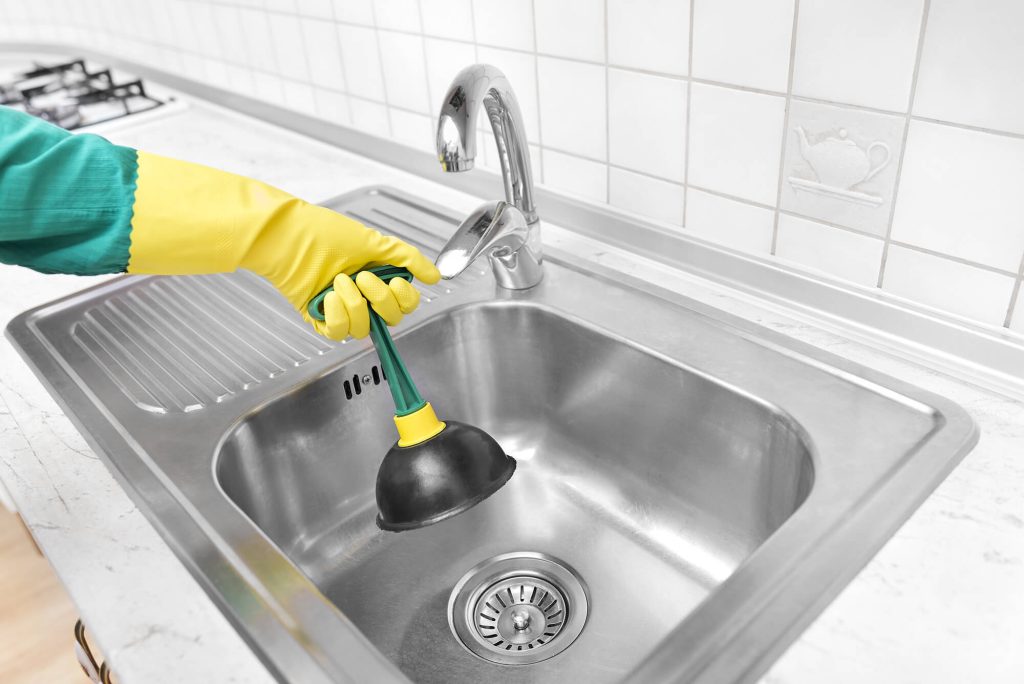
  • Plunger – Great for small clogs, but ineffective for deeper blockages. Overuse can create pressure that damages pipes.
  • Chemical Drain Cleaners – Highly corrosive, these can erode pipes, cause toxic fumes, and harm the environment.
  • Baking Soda and Vinegar – While a safer option, this method is mostly effective for maintaining drains rather than clearing tough clogs.
  • Drain Snakes/Augers – Effective for minor clogs but risky if used improperly—especially if the clog is deeper in the plumbing system.

Why Professional Drain Cleaning Is the Better Choice

When DIY fixes don’t cut it, professional drain cleaning provides a safer, long-term solution. Here’s why:

  • Thorough Cleaning – Pros use high-powered tools like hydro jetting to clear blockages completely, preventing recurring clogs.
  • Pipe-Friendly Methods – Professional techniques avoid harmful chemicals, keeping your plumbing system in good shape.
  • Expert Diagnosis – Plumbers use video camera inspections to locate the clog and determine the best solution with no guesswork involved.

Don’t Let DIY Drain Cleaning Lead to Bigger Problems

While it’s tempting to try a quick fix, DIY drain cleaning often leads to more frustration and potential damage. If your drains keep clogging or backing up, it’s time to call professional services. Expert plumbers will safely and effectively clear your drains, ensuring your plumbing system stays in top shape.