
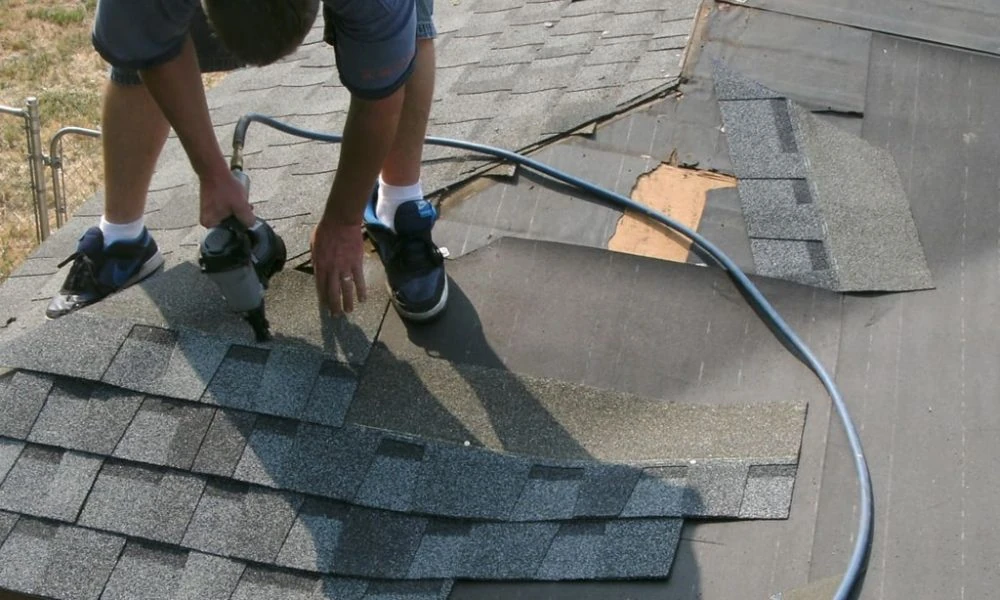
One of the first questions homeowners ask when facing roof damage is how much repair will cost. Asphalt roofing is one of the more affordable roofing materials available, but the price of repair can vary widely depending on the extent of the damage, the size of the affected area, and regional labor rates.
Factors That Influence Pricing
Several variables determine the final cost of a repair job. The size of the damaged area is the most obvious factor, since patching a few shingles costs far less than repairing an entire section of roof. The pitch and height of the roof also matter, as steeper or taller roofs require more safety equipment and time, which increases labor costs.
Minor Repairs
Small fixes such as replacing a handful of shingles, sealing a minor leak, or repairing flashing around a vent typically fall on the lower end of the pricing scale. These jobs usually take a few hours and involve limited materials, making them the most budget friendly option for homeowners dealing with isolated damage.
Moderate Repairs
When damage spreads across a larger section of the roof, perhaps from a fallen branch or a cluster of wind damaged shingles, the job moves into a moderate price range. This often includes replacing underlayment in the affected area along with new shingles, and may take a full day or more depending on accessibility.
Extensive Repairs
Storm damage, long term neglect, or issues with the roof decking itself can push repair costs significantly higher. These jobs may involve replacing plywood sheathing, addressing rot, or reworking flashing around chimneys and skylights. While still less expensive than a full roof replacement, extensive repairs require more materials, labor, and time.
Hidden Costs to Watch For
Sometimes what looks like a simple repair reveals additional problems once contractors begin work. Water damage can spread beneath shingles without obvious surface signs, meaning a small visible leak might actually require replacing rotted decking underneath. It is wise to ask contractors about potential additional costs before work begins so there are no surprises on the final invoice.
Regional Price Variation
Labor and material costs vary depending on location. Areas with higher costs of living or more frequent severe weather tend to have higher average repair prices, partly due to demand and partly due to the increased frequency of storm related work. Getting a local quote is always more accurate than relying on national averages.
Insurance Coverage
If the damage stems from a covered event such as a hailstorm or falling tree limb, homeowners insurance may cover some or all of the repair cost. It is important to document the damage with photos and get a written estimate before filing a claim, since insurers typically require this evidence to process payment.
Getting an Accurate Estimate
The best way to understand what your specific repair will cost is to schedule an inspection. A trained eye can identify issues that are not visible from the ground and provide a detailed, itemized estimate. The team behind asphalt roof repair offers assessments that break down labor and material costs so homeowners can make informed decisions without guesswork.
Weighing Repair Against Replacement
For roofs nearing the end of their expected lifespan, it is worth comparing repair costs against the price of a full replacement. Sometimes investing in a new roof makes more financial sense than repeatedly patching an aging one, particularly if multiple areas are showing wear at the same time.
Understanding these cost factors helps homeowners budget appropriately and avoid being caught off guard when unexpected roof issues arise.
