
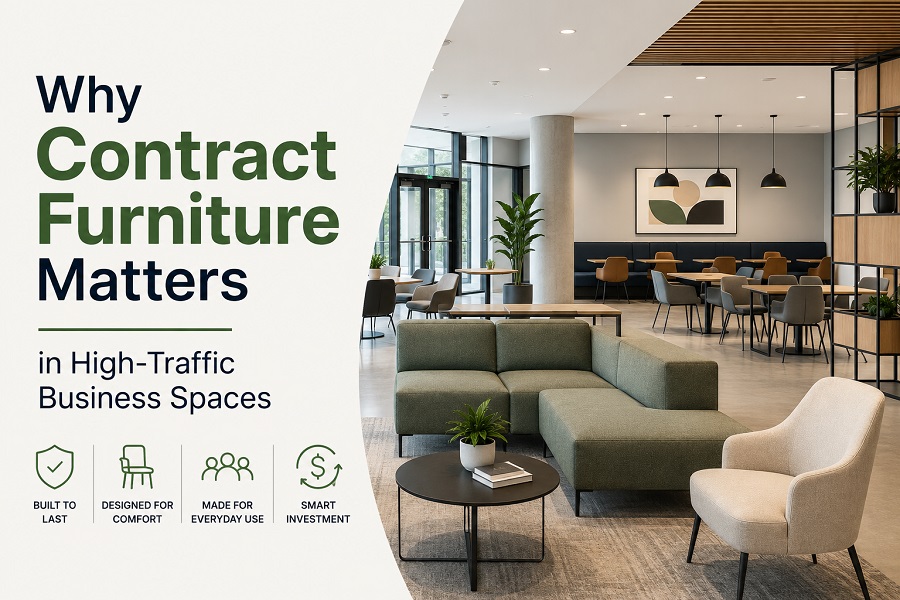
The quiet design choice that shapes every guest experience
Guests may never ask who made the chair beneath them. Still, they notice when it rocks, feels cramped, or blocks the aisle. The same is true in hotel lobbies, campus halls, medical waiting rooms, and busy dining areas. Furniture guides how people sit, move, meet, eat, and wait. It can support smooth service or create small problems all day. For that reason, we should treat furniture as part of the space plan, not as a final decoration. Projects designed around Contract furniture can balance comfort, strength, style, and daily use from the start. This guide explains how to make those choices with more care and fewer costly surprises.
We will cover what separates commercial pieces from home furniture. We will also look at how materials, layouts, and suppliers affect long-term value. These points matter across restaurants, bars, hotels, health care facilities, universities, corporate interiors, casinos, and country clubs throughout the United States. Each setting serves different people, yet all need furniture that works under pressure. A soft lounge chair may suit a hotel, but fail in a busy food hall. A strong café chair may last for years, but look out of place in a private club. Smart selection brings the room, the brand, and the daily routine together. By the end, you will know which questions to ask before approving an order.
What should you expect from true commercial-grade furniture
Commercial furniture faces a hard-working life. Chairs are pulled, pushed, cleaned, and used for long hours. Tables deal with spills, heat, bags, carts, and constant contact. That daily strain calls for firm joints, sound frames, and durable finishes. You should inspect the build before focusing on color or shape. A good-looking piece can still fail when its parts are weak. The best products combine visual appeal with tested daily function.
Material choice also changes by setting. Bars need surfaces that wipe clean after every shift. Health care sites need firm support and materials that help with hygiene. Universities often need light pieces that staff can move with ease. Hotels may need several styles for guest rooms, lounges, dining areas, and halls. Corporate spaces need comfort without making the room feel too casual. Buyers should check:
- Frame strength and joint quality
- Fabric care and stain resistance
- Weight, balance, and floor grip
- Seat height and user comfort
- Warranty terms and repair support
How can you match furniture to the way a space works
Begin with movement, not a product catalog. Watch where guests enter, where staff walks, and where lines may form. Measure the open path between tables, booths, counters, and walls. Keep exit routes clear at all times. You should also think about bags, wheelchairs, serving trays, and cleaning tools. A room works better when every item has enough space around it. Good planning often adds comfort without adding more furniture.
The setting should guide each choice. Restaurants need fast cleaning and layouts that support table service. Casinos may need sturdy seating that stays comfortable for longer visits. Country clubs often need finishes that suit both social and formal spaces. Hotel furniture must work across many room types and guest needs. Offices need chairs and tables that support focused work and team talks. Before ordering, confirm:
- The number of seats the room can hold
- The space needed for staff and guest movement
- The cleaning method used each day
- The mood and style of the site
- The need for future layout changes
Why does early planning prevent costly furniture mistakes
Furniture problems often begin long before delivery day. A rushed order may include the wrong size, finish, fabric, or count. Custom pieces may arrive late when lead times were not checked. Large chairs can reduce seat count and narrow service paths. Light tables may move too easily in a busy room. A clear review process catches these issues while changes are still simple. It also keeps owners, designers, and site teams working from the same plan.
1. Confirm every measurement: Check doors, lifts, stairs, and final room sizes. A piece must reach the room before it can serve the room. Small access details can stop a large delivery.
2. Test the finish: Review samples under the actual room lights. Check how the surface handles water, food, marks, and cleaning agents. A finish should age well, not just photograph well.
3. Review the timeline: Ask when items enter production and when they will ship. Add extra time for custom colors or sizes. Early checks protect the opening date.
4. Plan for daily care: Learn how each piece should be cleaned and repaired. Simple care can extend product life. Staff should not need special tools for basic upkeep.
How do you select the right commercial furniture partner
A capable partner starts by asking questions. They should learn how the site operates, who uses it, and what the project must achieve. They should also explain which materials fit the setting and which ones may cause trouble. Clear advice matters more than a long product list. You need honest lead times, exact sizes, and useful care details. Strong support can prevent errors before an order reaches production.
Industry range is also valuable. A supplier serving restaurants, bars, hotels, health care sites, universities, offices, casinos, and country clubs see many types of wear. That knowledge can help match products to each use. Custom options may also be needed for brand colors, unique layouts, or fixed space limits. Communication should remain clear from the first review through final delivery. Before choosing a partner, ask about:
- Similar projects completed before
- Standard and custom product options
- Sample and finish approval steps
- Delivery planning and order tracking
- Help after installation
A stronger space begins with choices made before delivery
Furniture shapes comfort, flow, safety, and the way a business feels. The strongest results come from matching each piece to the room’s real daily demands. Good measurements, sound materials, clear care plans, and skilled support reduce risk. They also help the space stay useful and welcoming for longer.
We encourage project teams to review furniture needs early, while layouts can still change. Bring room plans, usage details, style goals, and timing needs into the discussion. A thoughtful furniture plan can protect the budget and support better guest service. Start with one room, ask practical questions, and let each choice earn its place.
